
BBC tells the harrowing story of the IRA plot to kill Margaret Thatcher in Brighton in 1984

Tuesday: Bombing Brighton: The Plot to Kill Thatcher (BBC Two, 9pm)
It was called the “most audacious terrorist attack ever on the British Government”, and “the most ambitious since the Gunpowder plot of 1605”.
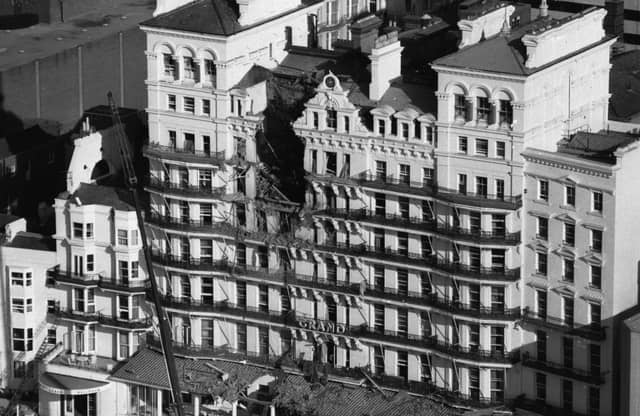
On October 12, 1984, the Provisional Irish Republican Army attempted to eliminate key figures of the British government, including Prime Minister Margaret Thatcher, who were staying at the Grand Hotel in Brighton.
For three days, Patrick Magee, who had booked into the hotel under the false name of Roy Walsh, delicately assembled and installed a huge 100lb bomb made with commercial gelignite and fitted with a long delay timer to go off on the last day of the Tory conference when Thatcher was due to address the party faithful.
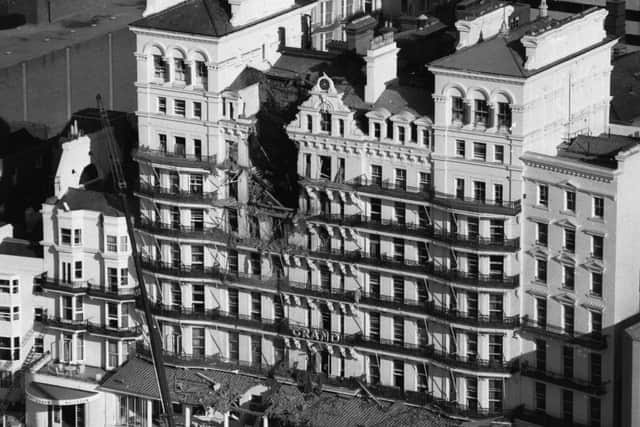
At the time of the explosion, at around 2:54am, Thatcher was awake in her room, refining her closing speech for the conference.
Although the blast wrought havoc upon the bathroom of her quarters, Thatcher, along with her spouse Denis, emerged unharmed.
However, the explosion did result resulted in the loss of five lives, with an additional 31 people sustaining injuries.
The IRA claimed accountability the next day. Their statement read:
“Mrs Thatcher will now realise that Britain cannot occupy our country and torture our prisoners and shoot our people in their own streets and get away with it. Today we were unlucky, but remember we only have to be lucky once. You will have to be lucky always. Give Ireland peace and there will be no more war.”
To mark this Saturday’s 40th anniversary of the attack in the English seaside town, this feature-length documentary from the makers of Once Upon A Time In Northern Ireland includes new testimony from some of those who were involved in the atrocity.
In 1986, Magee was found guilty of planting the bomb and sent to prison for eight concurrent life sentences.
However, he was released in 1999 as part of the Good Friday agreement, having served 14 years of his minimum 35-year sentence.
One Downing Street spokesperson described the decision as “very hard to stomach”, while an appeal by then Home Secretary Jack Straw to prevent his release was dismissed by the Northern Ireland High Court.
Of those killed in the bombing, Magee said in 2000: “I deeply regret that anybody had to lose their lives, but at the time did the Tory ruling class expect to remain immune from what their frontline troops were doing to us?”
In 2022, Magee gave a revealing interview about his role in the bombing.
This film includes that, as well as the testimony of those whose lives were profoundly affected by the Brighton bomb.
They include Edward and Jo Berry whose father was killed in the attack; John Gummer, former Conservative Party Chairman who was with Thatcher the moment the bomb went off; a Special Branch Surveillance Officer responsible for trying to prevent IRA attacks in England during the 1980s; and an eyewitness who worked at a local nightclub.
As well as recalling the devastation of the night itself, the film also looks at the politics of the period, the subsequent search for Magee and his arrest, and how the Brighton bombing still affects many victims to this day.
Clare Sillery, BBC Head of Commissioning, Documentaries, says: “These personal perspectives raise profound questions for us all – about political violence, revenge and remorse. Is it ever right to forget? And is it possible to forgive?”