
Belfast built missiles among £500m of defence support 'to help Ukrainians defend against Putin’s relentless drone and missile attacks'
New support includes Lightweight Multirole Missiles from Thales Belfast, £150m for NATO PURL initiative, and thousands of additional air defence systems to protect Ukrainian cities from drone and missile attacks
The UK will provide new air defence missiles and systems worth more than £500m to Ukraine, it has been announced.
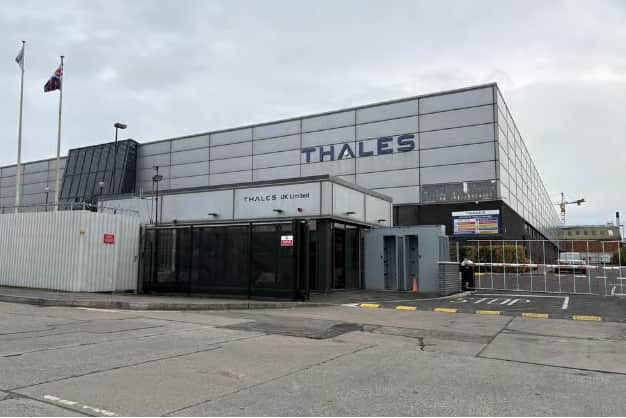

The support includes an additional 1,000 Lightweight Multirole Missiles (LMMs) manufactured in Belfast.
Built by Thales at its Belfast factory, the missiles will be critical to defending Ukrainian infrastructure and cities from Russia’s escalating drone and missile attacks.
The announcement was made as defence secretary John Healey co-chairs the 33rd meeting of the Ukraine Defence Contact Group (UDCG) at the NATO headquarters in Brussels.
As well as the £390m LMM deal, the UK will for the first time provide £150m to the NATO Prioritised Ukraine Requirements List (PURL) initiative, which ensures the rapid delivery of air defence interceptors to defend Ukraine’s skies.

The PURL initiative sees NATO coordinating the purchase of world-class defence equipment from the US for the defence of Ukraine.
The coming months will also see the UK deliver an additional 1,200 air defence missiles and 200,000 rounds of artillery ammunition for Ukraine’s defenders through the Air Defence Consortium (ADC).
Defence secretary John Healey said: "As we approach the fifth year of Putin’s full scale invasion, the UK and our allies are more committed than ever to supporting Ukraine.
"I’m proud of the UK’s continued leadership and pleased to confirm a new half a billion pound package of air defence, including £150m for PURL, to help Ukrainians defend against Putin’s relentless drone and missile attacks."
The UDCG meeting of 50 nations will be co-chaired by the UK and the German defence minister Boris Pistorius, and attended by Ukrainian defence minister Mykhailo Fedorov, NATO secretary general Mark Rutte and Australian deputy prime minister Richard Marles.