
Bid to knock down part of protected landmark: Section of Bank of Ireland building to be cleared to make way for £100m Belfast Stories attraction
A £100m tourist attraction has launched a bid to knock down part of an iconic listed building that’s meant to be saved by the scheme.
Belfast’s art deco Bank of Ireland on the city’s Royal Avenue is now almost a century old. The business moved out more than 20 years ago, but the landmark four-storey structure is intended to be retained in a large-scale regeneration project.
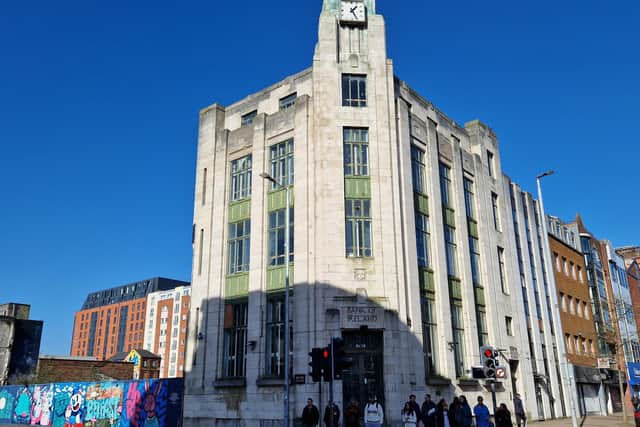

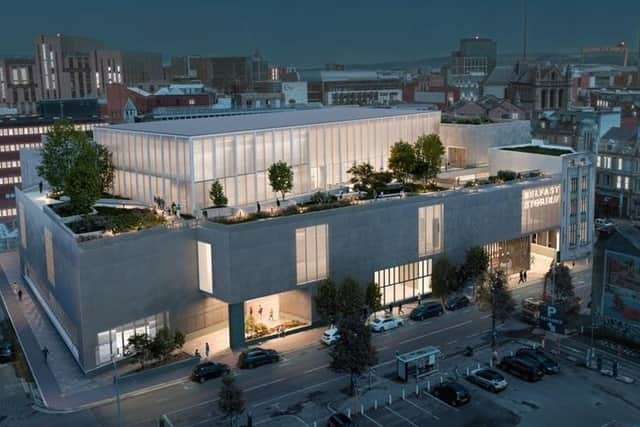
Currently in the hands of the civic council, it’s slated to be a major part of Belfast Stories – a massive development based around the heritage of Northern Ireland’s capital city that’s hoped to bring in 700,000 visitors per annum and is due to open its doors four years from now.
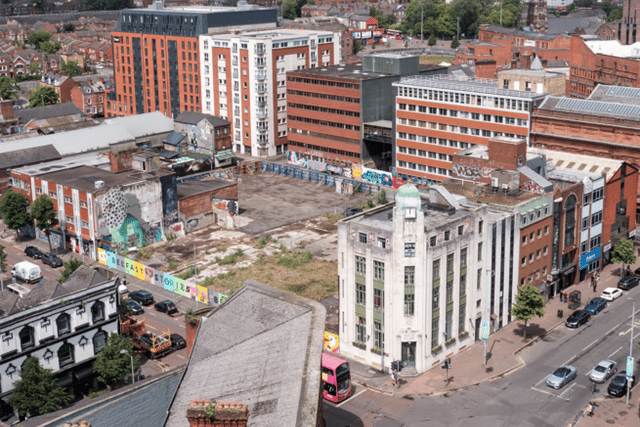
Back in 2016, several long-standing neighbouring buildings were controversially demolished shortly before they could be examined for listing protection, done as part of clearances to make way for the £100m heritage tourist attraction which still hasn’t begun construction.
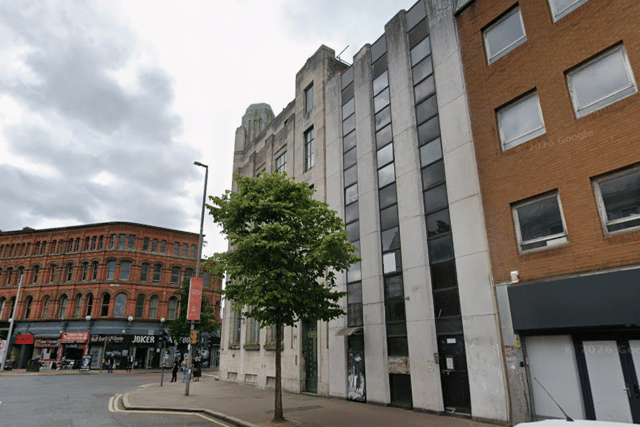
Now officials say they want to knock down part of the Bank of Ireland too.
Although most of the landmark was built in 1930, part of the building is an extension that went up in the 1970s.
The entire structure including the extension was listed for protection at Grade B in 1990.
Officials now say the 1970s section should be destroyed, however, removing it from the city it has stood over for around 50 years.
Information filed on behalf of the council by Todd Architects describe the extension as “inheriting” legal protections “afforded to the principal structure” of the bank.
They argue that part of the building is of “a utilitarian character and limited architectural interest” and “makes no significant contribution” to the landmark.
The architects suggest the extension is “arguably of limited intrinsic merit in its own right” and effectively contend it should be treated something added on to a listed building rather than enjoying the legal protections applied to it in 1990.
“Its significance arises primarily from the manner in which it supports and reinforces the original building’s composition and use, rather than from possessing any notable architectural or historical value independently,” they say.
“It can be argued that the extension does not define the building’s significance, and its treatment should be informed by but not equated with the sensitivities of the primary 1930 structure.”
All of the few buildings remaining on the intended site of the tourist attraction “present significant challenges to re-use within the context of the Belfast Stories project”, the architects add, arguing that keeping them wouldn’t work with the “broad and ambitious objectives” of the £100m scheme.
The bid to demolish part of the listed Bank of Ireland building is still at a very early stage, and planning authorities have yet to come to a verdict on it.
Belfast Stories is to be a “destination building” that combines tourist elements with sections aimed at Northern Ireland’s creative industries.
The latter sparked controversy when, as the News Letter revealed earlier this year, it turned out that the BBC were being eyed as anchor tenants, raising the ire of Sinn Féin politicians.
The party said it was concerned about a flagship development having “a financial relationship with a state broadcaster”, but the DUP accused of them of delaying the project due to an “ideological opposition to anything British”.