
‘Businesses are hanging on by a thread’: Industry warns Reval 2026 could devastate small businesses and calls for emergency talks with Stormont and Finance Minister
Food-to-go operators, hotels and hospitality bodies say rates review threatens hundreds of businesses and thousands of jobs across Northern Ireland
Small food businesses and hospitality operators across Northern Ireland are warning that the LPS Reval 2026 rates revaluation could trigger widespread closures, job losses and long-term damage to local communities unless urgent action is taken.
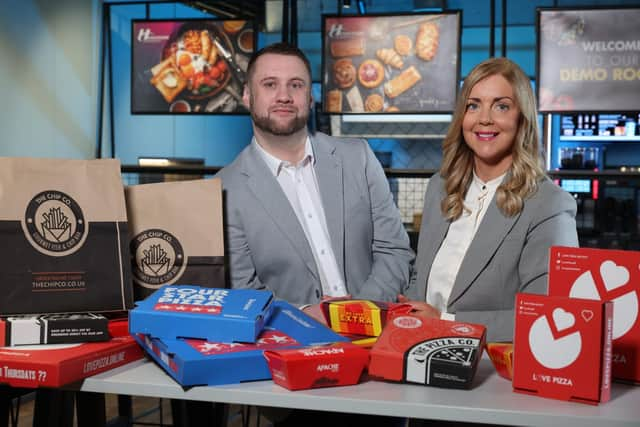

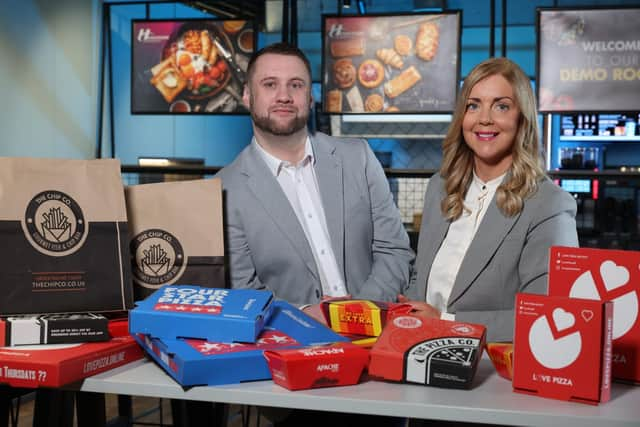
The Northern Ireland Food To Go Association has said the revaluation risks hitting small, independent food businesses first and hardest, despite the exercise covering more than 75,000 non-domestic properties. Cafés, takeaways, food trucks and local producers — many of them family-run — are facing sharp increases in rates while operating on tight margins and fragile footfall.
Draft figures released by Land & Property Services show overall Net Annual Values (NAVs) rising by around 15%, with significantly higher increases across hospitality-linked properties.
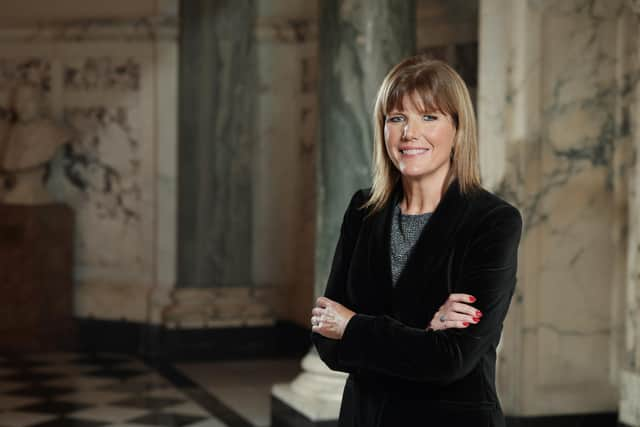
Michael Henderson, chief executive of the Northern Ireland Food To Go Association, said the sector is approaching a tipping point: “This is about small, independent food businesses. These are family-run cafés, takeaways and food trucks that employ local people who provide an essential service to our local communities every day.
"For many food-to-go businesses, even a relatively small increase in rates could be enough to push them over the edge and this could result in closures which could be avoided.”
The association estimates that more than 100 small food businesses and local producers could close if rates bills rise sharply, putting thousands of local jobs at risk and accelerating the loss of independent traders from high streets.
“When small food businesses disappear, they are rarely replaced,” he continued. “Empty units follow, jobs are lost and communities lose familiar places people depend on every day.”
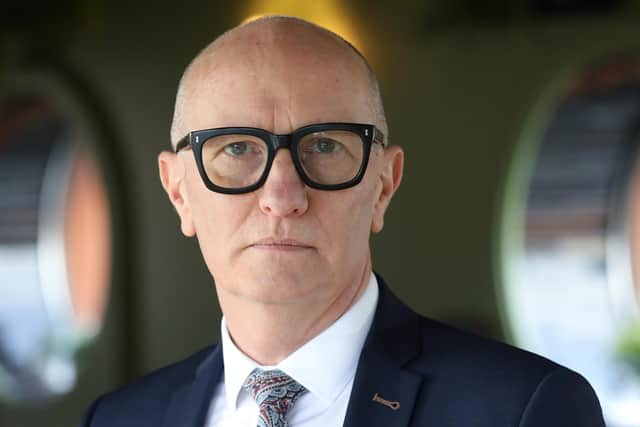

While LPS has indicated that many properties may see limited change, the association argues that headline averages fail to reflect the lived reality for small operators.
"These businesses keep town centres alive and support local employment. Improved rental evidence does not mean improved viability, costs remain high, footfall is fragile and many small food businesses are hanging on by a thread,” he added.
The Northern Ireland Food To Go Association has requested an urgent meeting with Finance Minister John O’Dowd to discuss the potential impact of Reval 2026 and to ensure the concerns of small, community-based businesses are understood at ministerial level.
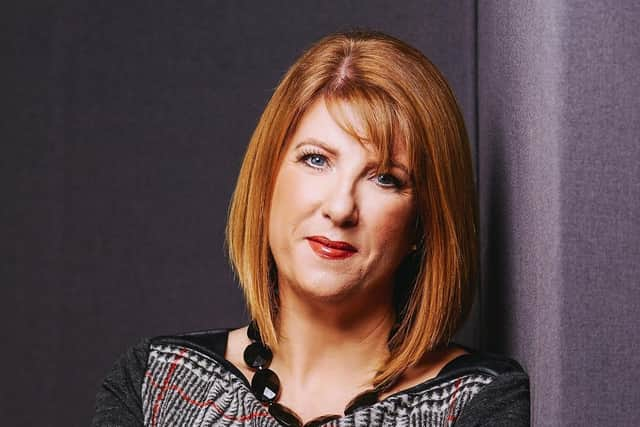
Kiera Campbell, chair of the association, said the organisation exists to give a voice to businesses that often lack influence in policy decisions: “The Northern Ireland Food To Go Association exists to support and represent the thousands of small hospitality businesses and local producers that don’t always have a seat at the table. We stand for fair treatment, sustainable local business and a thriving hospitality sector. Our members want to keep trading, employing and serving their communities, and it’s our role to make sure their voices are heard as rates decisions are taken.
“We are calling for meaningful engagement to ensure rates policy reflects the realities faced by cafés, takeaways, mobile operators and local producers across Northern Ireland. We want to ensure rates reform is fair, proportionate and does not undermine local economies.”
The warnings come amid mounting concern across the wider hospitality sector.
Colin Neill, chief executive of Hospitality Ulster, said the new valuations represent “the final nail in the hospitality industry’s coffin”.
He continued: “Having witnessed what happened in England and the u-turn now underway by the Prime Minister, we are stunned by the lack of awareness on the state of the industry. The publication of the new rates list, which shows dramatic increases across the entire hospitality sector at a time when businesses are already under unprecedented pressure is simply madness and a clear demonstration that our government is not in touch with reality
"We are seeing some premises valuation increase by as much as 282%. These are simply unsustainable figures for businesses already grappling with rising energy costs, food inflation, wage pressures and reduced consumer spending. Without urgent intervention, these increases will inevitably lead to more closures, job losses, and vacant premises in towns and cities across Northern Ireland.
"The Northern Ireland Executive must urgently agree a solution to tackle the burden of rates costs. One clear option already exists in the form of targeted hospitality rates relief. We are aware the total rates base in Northern Ireland has risen, which should offset some of the increase, but it won't make a dent in the level of increases we are seeing.
"Previous rate support in England generated substantial Barnett consequential funding for Northern Ireland, but that was kept by the Executive. Any monies that come here as a result of the Prime Minister's u-turn must be passed on to the industry. We have requested an urgent meeting with the Finance Minister to make sure he knows the potential consequences of the departments actions."
Serious concerns have also been raised by the hotel and accommodation sector following the publication of REVAL 2026 results. The sector is facing an overall 83% increase in its total rates bill, with the average hotel seeing a 63% rise. Covid-era rates relief has now been withdrawn, compounding the financial shock.
Janice Gault, chief executive of the Northern Ireland Hotels Federation, said turnover has not kept pace with escalating operating costs.
“While turnover has increased, it has not kept pace with the very significant rise in operating costs,” she added. “In 2025, room rates softened alongside occupancy levels, and escalating costs can no longer be absorbed by businesses alone. These pressures inevitably risk being passed on to the consumer. Hotels are acutely aware of the need to deliver value for money, but the sector is now being forced into an increasingly untenable balancing act.
“There is a growing perception that the pressures facing the hotel, accommodation and wider hospitality sector are not fully understood. Many businesses feel they are being treated as a convenient source of revenue, with insufficient regard for rising costs, the need for ongoing reinvestment, or long-term sustainability. The sector’s success is being actively penalised through a short-sighted approach to an industry that has invested around £500 million since the end of the pandemic, demonstrating confidence, resilience and long-term commitment.”
Agreeing Clare Guinness, CEO of Belfast Chamber hit out: “There comes a time when enough is enough and, for the hospitality sector, that time is now. The latest rates revaluation is a serious blow to hundreds of businesses already operating on the tightest of margins.
“Hotels, restaurants and bars have endured more than most since the Covid-19 pandemic – prolonged closures, rising energy costs, staffing pressures, and fragile consumer demand. Many were only just absorbing the impact of recent Budget measures, including increases to National Insurance and the minimum wage, when this latest cost shock landed.
“This revaluation drives up overheads, not through genuine business growth, but through inflation and changes in property valuation methodology. Higher prices do not equate to higher profits, yet businesses are being treated as if they do. The hospitality sector is a vital part of Northern Ireland’s economy, supporting tens of thousands of jobs, underpinning tourism, boosting city centre footfall, and contributing to community vibrancy.
“Northern Ireland already faces higher rates than much of the UK, putting local businesses at a competitive disadvantage. If left unchecked, these increases risk closures, job losses, and vacant premises. With hospitality accounting for almost a third of our membership, Belfast Chamber will continue to ensure their voice is heard and push for a rates system that supports recovery and growth – not undermines it.”
Pubgoers group CAMRA, the Campaign for Real Ale, is also calling on the Executive to provide support.
CAMRA NI director Ruth Sloan concluded: “The very last thing we need is the pubs we already have to be forced to close due to a huge hike in business rates which they can’t afford.
“Ministers need to recognise that pubs are a force for good in society and deserve support so they can survive and thrive. The UK Government has been forced into a U-turn to provide more help with business rates for pubs in England. The Executive needs to do the same to make sure that this revaluation doesn’t lead to the loss of more pubs here.”
With new rates bills due to be issued from April and council poundages yet to be confirmed, industry bodies are united in their call for a more balanced and equitable approach.
Without swift and meaningful action, they warn, Northern Ireland risks stripping the heart from its town centres — losing not just businesses and jobs, but the everyday places that bind communities together.