
Celebrity chef Hugh Fearnley-Whittingstall to address hundreds of food leaders at major Northern Ireland conference
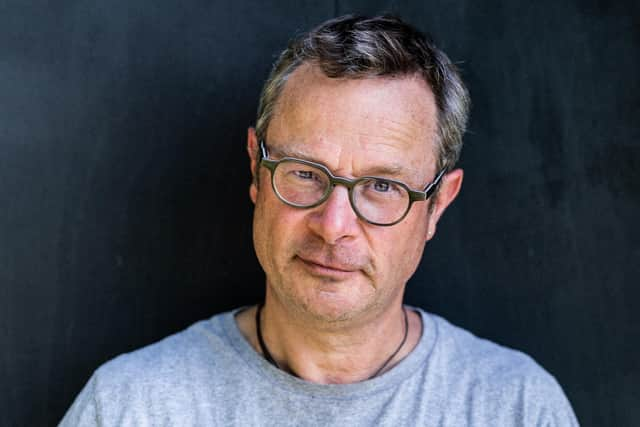
Successful businessman, chef, BAFTA-winning broadcaster, writer, and environmental activist famous for the River Cottage enterprise n Devon, Hugh Fearnley-Whittingstall is a keynote speaker at a major conference highlighting an imaginative strategy for Food and Drink, Northern Ireland’s biggest manufacturing industry.
The new strategy and action plan, developed by the Department of Agriculture, Environment and Rural Affairs, ably led by Minister Andrew Muir, in association with the industry, including Food NI, the main food and drink promotion body here, aims to encourage and support food and drink to grow well beyond the current level of around £8 billion. It also aims to achieve faster growth that’s based on the following pillars:
Health & Wellbeing: Connecting food to better health and building a food-conscious society through education.

Economic Prosperity: Fostering sustainable economic growth within the food sector.
Natural Resources: Protecting and enhancing Northern Ireland’s
environment.
Food Culture: Developing a stronger food culture and promoting informed choices.
Resilience: Ensuring robust emergency plans across the food supply chain.
In addition to being a major supplier to Great Britain – often tagged as ‘Britain’s Bread Basket’, our food and drink industry is a successful exporter, shipping produce to over 60 global markets, the most important being the Republic of Ireland. Produce is exported as far as Asia, the US and the Middle East. The main export categories include meat, dairy, fish and seafood including oysters.
Mr Whittingstall will be among a small group of inspirational speakers at a major event “Food at the Heart of Our Society: A Prospectus for Change,’ for companies and other industry leaders. Other influential speakers include food journalist and broadcaster Sheila Dillon, and Angus and Charlie Buchanan-Smith, founders of Free Company regenerative form and restaurant in Scotland.
Sheila has long been associated as a very popular host of BBC Radio’s respected Food Programme, visiting Northern Ireland on many occasions
They are taking part in a one-day interactive conference with the local industry at Hillsborough Castle on January 27. The event has been organised with guidance from the Oxford Cultural Collective, an influential food think-tank in Britain.
Hugh (61) is known for his down-to-earth approach, focusing on using local ingredients, tackling food waste, and advocating for better fisheries and plastic reduction. His signature project, starting with a Channel 4 series documenting his move to a smallholding, now a hub for food courses, dining, and events in Devon.
In addition to his broadcasting, Hugh has authored a series of publications about ethical food and seasonal eating from local sources. A vocal advocate for sustainable food, he is involved in campaigns against overfishing, plastic pollution, and promoting better food systems. Emphasizes cooking from scratch, understanding where food comes from, and reducing environmental impact, encouraging everyone to eat more plant-based foods.
He’s a pioneer in the ‘grow-your-own’ and ethical food movement in the UK, using the media to make sustainable living accessible and appealing. He describes himself as an omnivore who focuses on plant-based cooking.
The strategy, they will be dealing with, focuses on a ‘transformed food system’ by 2030, emphasizing health, sustainable economic prosperity, food culture, natural resource protection, education, and supply chain resilience, aligning with green growth goals, with key actions including public procurement changes and support for healthier product reformulation. It’s a very broad canvas.
Led by respected chief executive Michele Shirlow, FoodNI is supporting the initiatives.
Areas already pinpointed for action include: Support for businesses to reduce sugar, salt, and fat, with specific guidance such as the new recipe for healthier pancakes developed with the Colleges of Food and Rural Enterprise (CAFRE)and the Food
Standards Agency (FSA);
Reshaping public procurement, for example, by moving towards integrating health and sustainability in public food purchasing to support local, nature-friendly producers. This was a popular proposal among local companies, many of which would wish priority to providing food and drink to public bodies such as hospitals and schools.
This is regarded by industry as extremely important because thousands of meals are served daily in schools, hospitals, care homes, prisons and other public institutions. Companies here could gain greater opportunities and the financial benefits from the steps the government wishes to see them developing healthier products. By investing in greater local sourcing of food and drink government will also be assisting the local farming community.
Mrs Shirlow said: “It is encouraging to see and hear the response of our food and farming industry which realises it has a moral responsibility to the environment, the health of our society (specifically children), as well as being economically prosperous. No one is naïve, change to the agri-food system will take time, but at least we have innovative and future focused players in the industry who want to make a positive difference.”