
Hike in gas and electricity bills in Northern Ireland as regulator approves price rises from energy companies
The cost of heating and lighting homes across much of Northern Ireland is to shoot up this summer.
From the start of July, both electricity firm Power NI and one of the province’s two gas suppliers, Firmus Energy, are to crank their prices up after the Utility Regulator approved tariff increases.
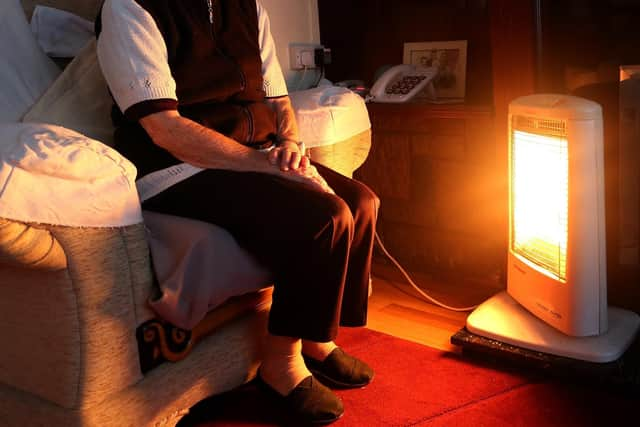

Provincewide operator Power NI’s charge for electricity to households will rise by 6.2%, stated to the equivalent of £64 a year to the average home.
Gas supplier Firmus Energy is to bump up the cost to both households and small businesses 15.7%, said to be the equivalent of an extra £132 every year on the typical domestic bill.
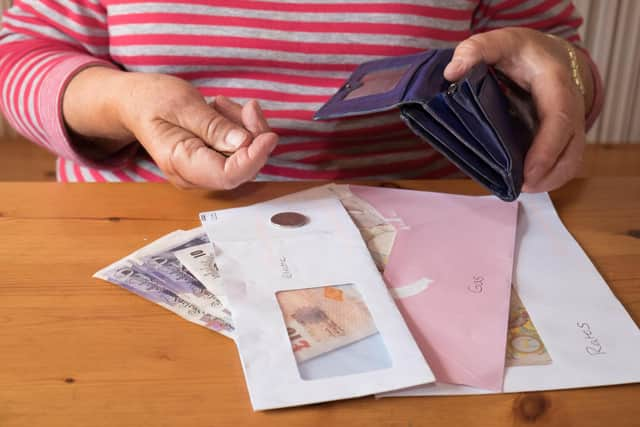
Firmus supplies the “Ten Towns” network, comprising Londonderry, Antrim, Armagh, Ballymena, Ballymoney, Banbridge, Coleraine, Craigavon, Limavady, and Newry, as well as smaller towns and villages near those areas.
The Greater Belfast area gets its gas from SSE Airtricity, whose prices have not altered. They will be reviewed over the course of summer, however, and could change in October.
This will be Power NI’s third price hike in under three years, though it’s the first rise from Firmus after repeated cost cuts in recent years.
Leigh Greer from the Utility Regulator accepted the hikes will not be welcome with consumers, but blamed the conflict in the Middle East for raising wholesale energy costs.
Maintaining that average household bills will still be lower in Northern Ireland than either Great Britain or the Republic, he added: “Our regulation ensures that the prices consumers pay reflect the underlying wholesale costs and the actual costs of supplying energy to the home.”
Power NI’s director of customer solutions, William Steele, stated the July price hike is “not taken lightly” but is “unavoidable”.
“We know this is unwelcome, however, we’ve delayed the change as long as we could, while keeping our tariffs competitive locally,” he said.
Firmus director David Smith said the gas firm is dealing with “elevated wholesale prices while the conflict in the Middle East remains unresolved” but earlier reductions means after the hike bills will be “still significantly below where they had been in previous years”.
The Consumer Council said struggling people should contact their suppliers, and encouraged householders to investigate whether different payment methods could work out cheaper than simply waiting for a regular bill to arrive.