
John O'Dowd's three-year rates hike 'won't help' struggling shops, says retail industry body that pleaded for tax cuts
Plans to bump up rates over the next three years won’t help Northern Ireland’s high street stores, says an industry body that this week pleaded for tax cuts to aid struggling shops.
A draft three-year budget released by Finance Minister John O’Dowd yesterday based its spending plans on the assumption that business rates will be increased by 3% this year and again in both 2027 and 2028.
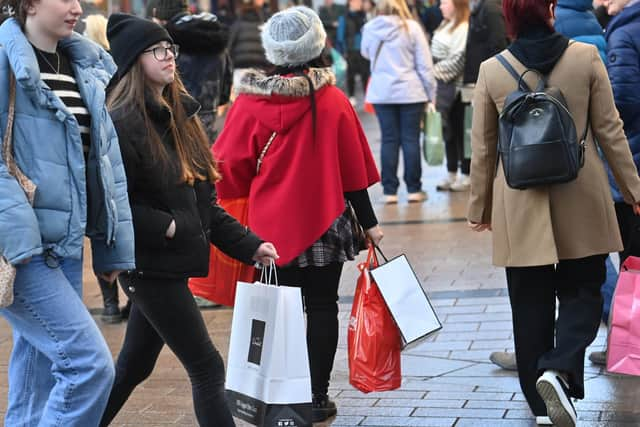

That’s despite a call from the Northern Ireland Retail Consortium (NIRC) to freeze rates for stores this year, and then cut it in 2027 and 2028 – a move that would mirror measures to aid high street stores in England and Wales, which are due to come into effect in a few months.
With Mr O’Dowd having apparently not heeded that call, the NIRC now says that the proposed tax hikes won’t help retail in Northern Ireland.

And its director, Neil Johnston, also raised concerns that bumping up business rates could hurt investment in the province, as large chain stores could prioritise England and Wales where they’ll get more bang for their buck.
Mr Johnston did, however, recognise that the draft budget pegs business rates rises at a lower level than household rates. Under the minister’s plan, homeowners will see their property taxes hiked by 5% for each of the next three years.
“[The 3% rise] won’t help, but you’ve got to take the positives,” he told the News Letter. “It could be worse; the minster does seem to be recognising our issues.
“Retailing gets more and more difficult because other costs are going up – minimum wage and National Insurance increases are hugely impactful on retail. [Rates rises] will further add costs and pressures to shops.
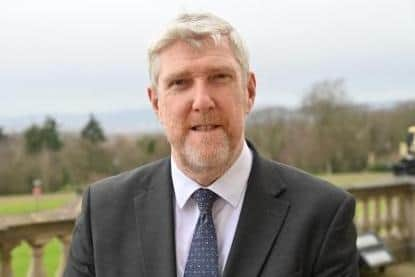
“He’s not going as far as we would like him to go. In Britain, they’re realising there is a long-term problem that needs to be addressed and they’re putting in plans for reductions over the long-term, whereas we’re getting a more modest increase.”
He added that ministers need to be aware of the wider impact if Northern Ireland keeps bumping rates up at the same time as other parts of the UK lower them, especially when it comes to supermarkets and other large chain stores.
“If someone’s going to invest money, they’re going to go where they’ll get the best return,” he said.
“[Supermarkets] are not just retailers, they are big sourcers; a lot of products are being sourced from Northern Ireland. Our agri-food sector does very well out of the big UK retailers – as well as employing tens of thousands in shops, they’re indirectly employing tens of thousands in the agri-food sector.
“It would be nice if ministers could recognise that big overall contribution by making our lives a bit easier and not sticking our bills up. It isn’t helpful to increase costs while other parts of the country are reducing rates.”
The draft budget is out to public consultation until March 3. It includes spending plans for the next three financial years, the first of which starts in April.
Northern Ireland’s retail sector has endured some tough times of late, though figures for last month’s vital Christmas period are still being collated.