
Petrol, diesel and home heating oil prices stay high for Northern Ireland consumers, despite the Iran war ceasefire plunging crude oil costs
Fuel prices have stayed high for consumers in Northern Ireland, despite the US-Iran ceasefire heavily reducing the cost of crude oil.
After the fortnight-long ceasefire was announced, the market price fell by over 14% per barrel as the deal to reopen the Strait of Hormuz was welcomed by traders.
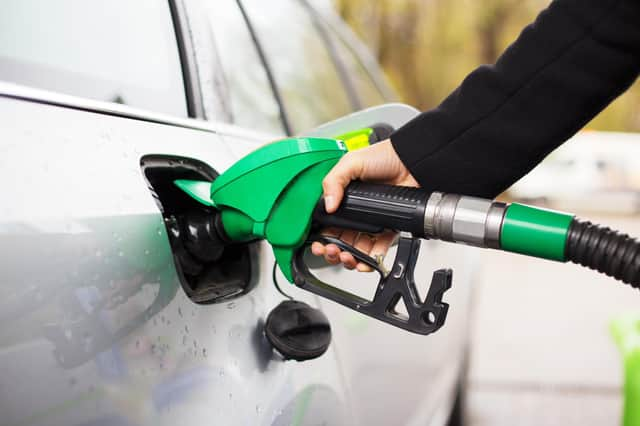

But price checkers seen by the News Letter indicated that reduction isn’t yet being passed along to customers at petrol pumps or for home heating deliveries in Ulster.
In general, the price of petrol across Northern Ireland is around 2p to 3p higher per litre than it was a week ago, while the cost of diesel is up around 7p to 8p.
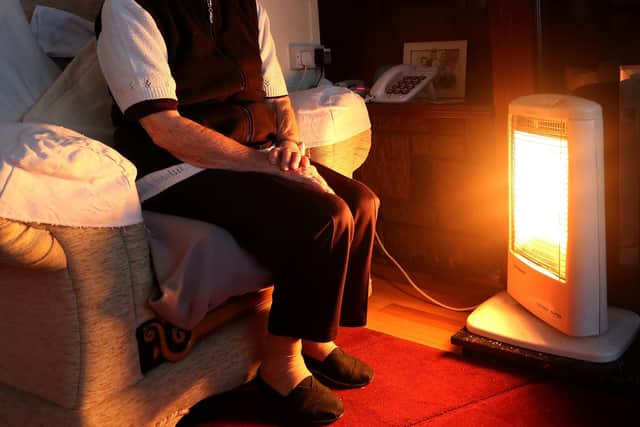
Although a handful of home oil suppliers cut their prices over the course of today, the majority were noticeably up on the last full survey carried out by the Consumer Council, which took place on April 2nd.
Last week, the average person in the province was being charged £597.92 for 500 litres of home heating oil; by mid-afternoon today, most suppliers were charging between £605 and £610, though some went as high as £615 for 500 litres.
Price checkers showed a few suppliers dropped their prices over the course of yesterday, however, with six firms even dipping below last week’s average.
One week ago, petrol prices hit an average of 149.1p per litre, while diesel hit 177.8p – an increase of 3.1% on the previous week’s petrol price, while diesel was up 4.75% on the week before.

This afternoon, stated price checkers, the average Ulster motorist was being charged 153.1p for a litre of petrol, and 185.7p for that quantity of diesel. That means petrol has gone up another 2.7% in the past week, while diesel has increased by 4.4%.
The end result is the rate of price rises has slowed, but despite the ceasefire they certainly haven’t reversed.
Trackers indicated it could be worth shopping around, however; one checking site showed two garages within a couple of miles of each other in south Belfast differed by 3p per litre of petrol, while another stated Northern Ireland’s lowest petrol price this afternoon was 125.9p, while its highest was 184.9p.
Economic experts have predict consumer prices could come down – but even if it does, for some time fuel will cost more than it did before the war. That’s because many oil-producing countries in the Middle East slowed or stopped extraction and processing plants as the conflict heated up and drones and missiles started flying, and it will take time to get back to normal.
Meanwhile the RAC today reported the UK’s average price of diesel has surpassed 190p a litre, having surged by more than a third since the start of the Iran war.
Its head of policy, Simon Williams, warned against raising hopes that the ceasefire agreement will cut prices in the near future, instead theorising the best on offer will be that they stop going up any further.
“The conditional ceasefire announcement may have taken some heat out of global oil prices, but the outlook for drivers in the UK remains highly uncertain,” he said.
“The best hope in the short-term is that pump prices stop rising at the rate they have been and hopefully top out in the coming days.”
He added: “A sustained lower oil price – over several weeks, not just a few days – is required to bring wholesale fuel costs down meaningfully.
“Drivers should not expect significantly cheaper fuel in the short term, although some smaller independent forecourts buying on a ‘spot’ basis may be quicker to pass on any reductions.”