
Controversial £250m arc21 waste incinerator at Mallusk ready for final decision, say bosses
A long-delayed and highly controversial £250m waste incinerator in Co Antrim is ready for a final decision from Stormont, its bosses say.
The arc21 project has completed all steps necessary, state the people behind it, and now just needs a final decision from planning authorities on whether or not it can be built.
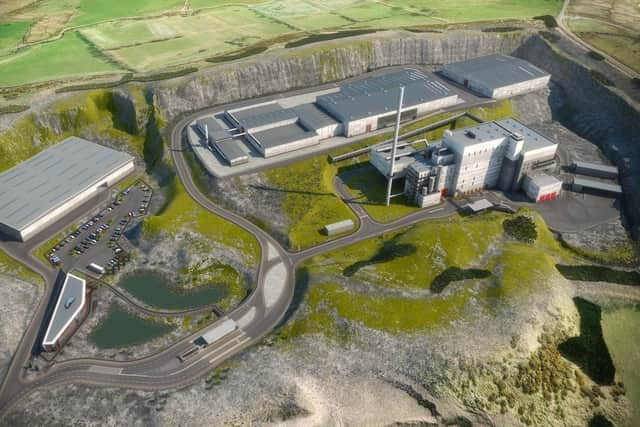

Slated for a quarry in the countryside outside Mollusk, to the north of Belfast, the huge incinerator has been dogged by delays including a vociferous campaign against it and legal challenges since a planning application was first lodged in 2014.
Although planning permission was refused by Northern Ireland’s then-Infrastructure Minster in 2022, that decision was overturned in court the following year, and the project is now to be put through planning consideration again.
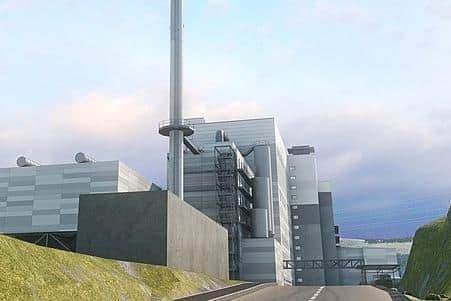
The people behind arc21 today (16th) say they’ve filed the last of the information they need to provide, and now all that’s left is for Department for Infrastructure bodies, planning officials and current Infrastructure Minister to reach a decision whether not to give them a green light.
According to arc21’s acting chief executive, Tim Walker, Northern Ireland’s need for the incinerator hasn’t changed despite more than a decade of delay.
“As landfill sites close and the recycling targets for councils increase, the absence of facilities such as those proposed for Hightown Quarry is high risk,” he said.
Six councils along the eastern coast of the province who collectively make up around three-fifths of the province’s population have partnered with arc21 in the incinerator scheme. According to Mr Walker, in the absence of the incinerator those councils have been sending rubbish abroad to be burned.
“While this provides short-term relief, it relies upon shipping the majority of our black bin waste long distances at a time when there is an increasing focus upon energy security, recycling, the impact of carbon emissions and the prospect of national policy or foreign taxes that could limit such arrangements,” he said.
“Exporting this resource also means it is not available to contribute to the development of a local circular economy, or to provide heat and power for local residents and businesses. Opportunities such as this need to be grasped as we strive to modernise our economy and in reaching greenhouse gas emissions targets.”
The news came on the same day a private businesses involved in arc21, waste management giants Indaver, published a report arguing that Northern Ireland is at a tipping point and risks sparking a “waste crisis” at the same time as it faces an environmental crisis around Lough Neagh and Belfast Lough.
Said Indaver’s Colin O’Hanlon: “There is chronic under-capacity in the Northern Ireland waste management sector for our black bag waste, and we are lagging significantly behind the rest of the UK and Europe in adopting the modern infrastructure necessary to address this growing challenge.
“Unlike the wastewater crisis, however, there is a readymade solution waiting to be implemented. That solution is the £250m arc21 residual waste project, which presents an opportunity to showcase how private sector investment can drive public benefit, delivering long-term value and leaving a valuable asset in public ownership.”
Opponents to arc21, including a south Antrim residents group and several politicians, have questioned the rationale and need for the incinerator in the wake of increased recycling efforts.