
Fears plan to tax property firms for sewer revamps will damage construction in Belfast, but won't make a dent in city's pollution problems
Belfast Council officials fear a plan to tax property firms and plough the money into overhauling sewers could seriously hurt construction in the city, pushing housing schemes into the countryside instead.
They also worry the move could take a wrecking ball to attempts to regenerate derelict buildings and vacant sites in the heart of the capital, yet won’t make a dent in the severe pollution problems it’s supposed to tackle.
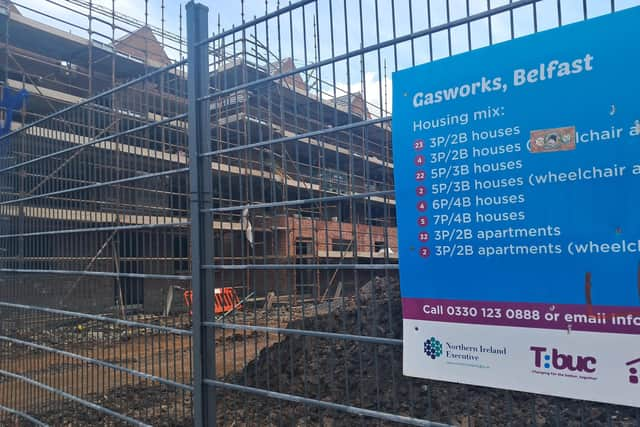

The idea of making property developers fork over cash for sewer upgrades comes as NI Water is struggling to afford already overdue revamps to networks across the province, and capacity issues are said to be stopping 19,000 new homes from being built.
Unveiled by Infrastructure Minister Liz Kimmins two months ago, the plan would effectively lay a tax on large new housing projects – one that could either be a compulsory levy, or a voluntary system where developers unable to build due to a lack of capacity in their area opt to pay to offset the price of improving sewers.
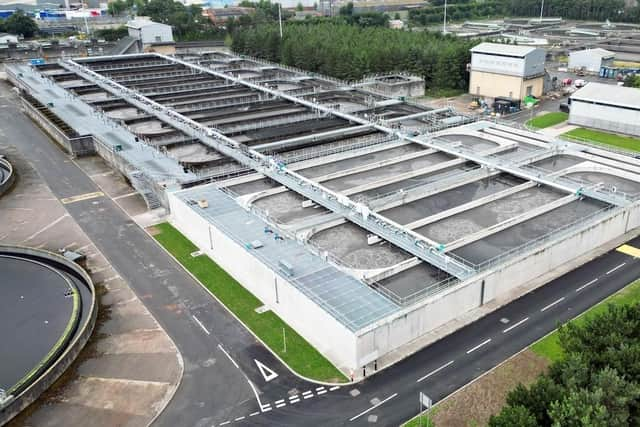
It’s acknowledged that both options would increase costs to developers, which in turn could be passed on to buyers or even block some projects from happening altogether. Rural areas would be exempt from the levy, as would social housing projects.
Belfast Council officials have now raised fears the rising costs and rural exemption would see developers turn away from the city, looking instead to districts where upgrading the sewer system would be a far less complex and pricey task.
In a response to the property developer tax plan, officials argue the levy wouldn’t come close to meeting the £184m cost of overhauling treatment plants and sewer networks around the city, but could drive developers away from its urban heart.
Suggesting the levy plan is designed to “maximise the building of houses” in areas NI Water think would be relatively simple to improve, officials state: “There is significant risk that more easily affordable and deliverable projects could be funded, which may support development in otherwise unsustainable locations. This concern is further exacerbated if the suggested exemption for rural housing is taken forward.”

The council fears the plan could hurt attempts to redevelop derelict buildings and vacant sites in built-up areas too, and want a third exemption added that would cover those projects.
Officials also think the tax should apply to commercial and leisure developments as well as housing schemes – but warn the public sector would need an exemption if that’s the case, stating the council’s own projects couldn’t happen if they have to pay the extra cost.
The response to the sewer levy plan was approved at a committee meeting this morning (23rd), during which councillor Michael Long criticised the tax as “a sticking plaster” that would only raise “1% of what NI Water need”.
“Unless we get a fundamental change, we’re just tinkering around the edges,” he added.
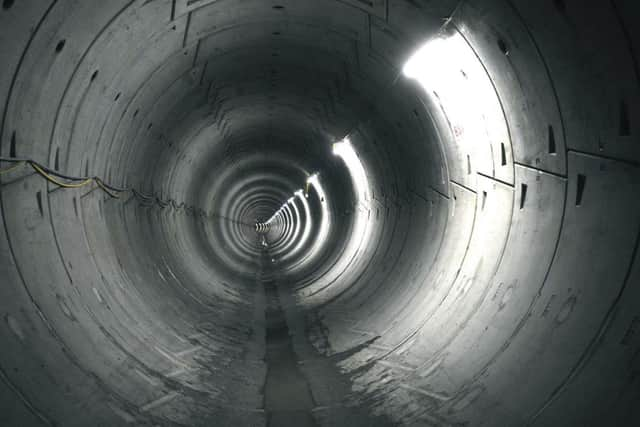
The waste system in the capital is in dire need of an overhaul; more than 17 million tonnes of untreated or partially treated sewage and other wastewater is discharged into Belfast Lough every year, killing wildlife and doing massive environmental damage.
But as the News Letter revealed in February, budget cuts have mothballed planned pollution-busting overhauls to the city’s sewage treatment plants and flood defences.