
Home heating oil prices in Northern Ireland could be virtually at pre-Iran war levels by this time next week
If the price of home heating oil keeps falling at the present rate in Northern Ireland, then it could virtually be back at pre-Iran war levels by next week.
That is the picture painted by the latest Consumer Council data for the Province, out today.
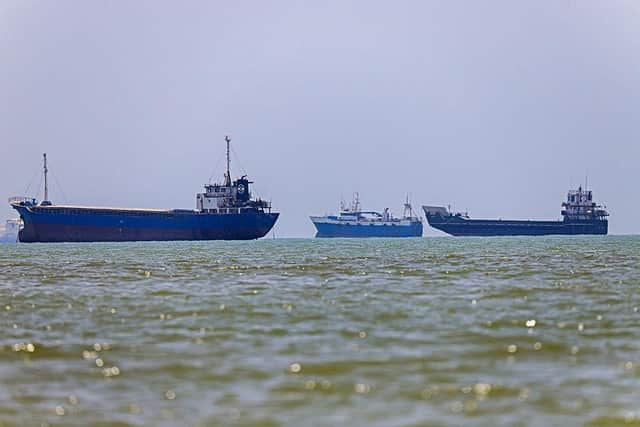

Ever since the US/Israeli attack on Iran sent oil prices soaring in late March, the News Letter has been closely tracking the impact on pump prices and home heating oil in Northern Ireland.
At its peak on April 9, a load of 500 litres of home heating oil cost an average of £612 in Northern Ireland.
That was roughly double the pre-war price of £307.
As of today, 500 litres sits at £350 – about £31 lower than a week before, and only around 14% higher than that pre-war price.
One week before that, on June 11, the price had stood at £414, meaning the average price of 500 litres has dropped by £64 in the last fortnight.
Here are the figures for 300 litres:
Last week: £238
Today: £218
Pre-war: £202
Peak: £383
And for 900 litres:
Last week: £677
Today: £621
Pre-war: £547
Peak: £1,089
The Consumer Council’s weekly survey shows pump prices are also down in Northern Ireland, though are not falling as steeply as heating oil.
Diesel now averages 162.6ppl as of today, down from 167.2ppl the week before.
Diesel had peaked at 188.1ppl on April 16, and had been 132.6ppl before the war.
Petrol today averages 147.5ppl, down from 149.2ppl on the week before.
Petrol had peaked at 154ppl on April 16, and had been 124.8ppl before the war.
Crude oil prices today dropped to levels last seen before the war, as the crucial Strait of Hormuz reopens gradually following the US-Iran peace deal.
Brent crude fell back to below 73 US dollars a barrel for the first time since the Iran war started on February 28, and was down around 2% to 72.24 US dollars a barrel at one stage.
It sparks hope of easing cost-of-living pressures as prices begin retreating at the petrol pumps thanks to the drops in wholesale cost of crude.
The declines follow last week’s interim agreement to end the war and the reopening of the Strait of Hormuz, through which a fifth of the world’s oil and gas is normally shipped.
The US and Iran signed a memorandum of understanding on Friday lasting 60 days, which has seen the US partially lift sanctions on Iranian oil exports.
Leaders from both countries now have two months to hammer out the details of a final and lasting deal, which will also include assurances over Iran’s nuclear programme.
While the interim deal has already been tested, some ships are beginning to pass through the vital strait, said to be carrying crude oil, liquefied natural gas (LNG) and fertiliser, as well as some goods.
Oil and energy prices were sent soaring after the conflict started, with crude hitting 120 dollars a barrel at one stage.