
House prices in Northern Ireland continue to soar far faster than any other UK region
House prices are growing many times faster in Northern Ireland than other regions in the UK.
The latest figures come from Zoopla, the property website, and show that prices in the province are up by an average of 7.2% in the past year.
This vastly outstrips any other region in the UK.
It comes on the heels of a report from Halifax last month, showing the same pattern.
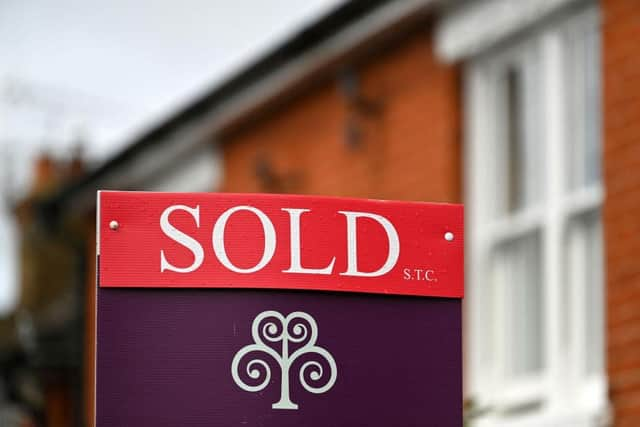

However, Northern Ireland is the only UK country where house prices have not rebounded to their 2007 pre-crash levels.
Here is the breakdown of UK regions from the Zoopla data (which runs for the year up to the end of February):
l London: minus 0.2%
l South East: minus 0.2%
l South West: 0%
l Eastern England: 0.6%
l East Midlands: 1.2%
l West Midlands: 1.9%
l Wales: 2.1%
l Yorkshire and the Humber: 2.2%
l Scotland: 2.6%
l North East: 2.8%
l North West: 3.5%
l Northern Ireland: 7.2%
Zoopla said that, across the UK generally, agreed sales have fallen by 2% annually, with the market being supported by committed movers who already have mortgages agreed.
Buyer inquiries were 13% lower than a year ago as potential buyers adopt a more cautious, “wait and see” approach, Zoopla’s report said.
The overall number of homes for sale has increased by 6% annually, reflecting a continued desire among homeowners to move despite the more uncertain backdrop.
Overall, UK house price inflation is holding steady, with 1.3% annual growth.
Richard Donnell, executive director at Zoopla, said: “The market remains active, but becoming increasingly reliant on a smaller pool of serious buyers."
Halifax’s report on house prices in January 2026 compared to January 2025 found Northern Irish prices were up by an average of 5.9% (with the average being £217,206).
It found the closest region was Scotland, where prices had risen by an average of 5.4% (to an average of £221,711), followed by the North West at 2.1% (average: £244,329).
At the time, the UK industry body Propertymark and economist Esmond Birnie agreed that a shortage of new homes in the province were driving the rise.