
Monthly index says annual house price rise in Northern Ireland is up 10.2%, taking average property to £204,242
Northern Ireland house prices: 'While we expect house prices to keep growing, it will likely be at a modest pace for the rest of this year and into next'
House prices across the UK have reached new heights, with the latest figures from Halifax revealing significant increases, including a historic milestone in Northern Ireland.
For the first time ever, the average property price in Northern Ireland has surpassed £200,000, reflecting a broader upward trend in house prices across the country.
In October, the average UK property price rose to £293,999, marking a 0.2% increase from the previous month. This marks the fourth consecutive month of growth, bringing the market closer to the record highs seen in June 2022.
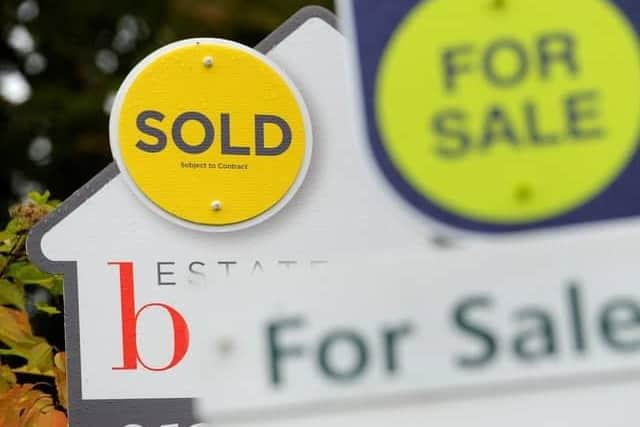


Northern Ireland has seen the strongest property price growth in the UK, with the average home now costing £204,242—an annual increase of +10.2%. This surge highlights the region's impressive growth, outpacing other UK nations and regions despite ongoing challenges posed by higher interest rates and economic uncertainty. The milestone of surpassing £200,000 is significant, marking a new era for Northern Ireland’s housing market.
Wales has also recorded notable growth, with house prices up +5.6% year-on-year, bringing the average property price in the country to £225,543. Meanwhile, Scotland's property prices grew by a more modest +1.9%, with the average home now priced at £206,480.
In England, the North West saw the strongest growth among regions, with house prices climbing +5.9% to an average of £235,587. London, which continues to have the highest property prices in the UK, saw a +3.5% rise, bringing the average cost of a property in the capital to £543,308.
The ongoing price increases are taking place despite the continued pressure of high interest rates and economic uncertainty. Experts attribute the growth to a number of factors, including a shortage of housing supply and sustained demand, particularly in regions like Northern Ireland and the North West, where affordability relative to other areas remains a key draw.
The latest data suggests that while the housing market remains robust, it is unlikely that the rapid pace of price increases will continue indefinitely, as interest rates and economic conditions evolve in the coming months.
As the housing market nears its previous peak, all eyes will be on whether this trend can be sustained as we move into 2024.
Amanda Bryden, head of mortgages, Halifax, said: “Average UK house prices nudged up +0.2% in October, continuing the positive momentum of recent months. This brought the annual growth rate to +3.9%, slightly lower than in September. The average property price has reached a record high of £293,999, surpassing the previous peak of £293,507 set in June 2022, towards the end of the pandemic-era ‘race for space’.
“That house prices have reached these heights again in the current economic climate may come as a surprise to many, but perhaps more noteworthy is that they didn’t fall very far in the first place. Despite the headwind of higher interest rates, house prices have mostly levelled off over the past two and a half years, recording a +0.2% increase overall. That’s a significant slowdown compared to the +21% rise we saw in the equivalent period from January 2020 to the summer of 2022.
“Despite the affordability challenge, market activity has been improving. The number of new mortgages agreed recently reached its highest level in two years. This aligns with average mortgage rates dropping steadily since spring - now over 160 basis points lower than in summer 2023 – coupled with continued positive income growth.
“Looking ahead, borrowing constraints remain a challenge for many buyers. Following the budget, markets expect the Bank of England to cut rates more slowly than previously anticipated, which could keep mortgage costs higher for longer. New policies like higher stamp duty for second home buyers and a return to previous thresholds for first-time buyers might also affect demand.
“While we expect house prices to keep growing, it will likely be at a modest pace for the rest of this year and into next.”
Nathan Emerson, CEO of Propertymark, added: “Following the recent Budget there is potential the housing market may see an increased momentum across the winter months, as buyers potentially look to make their move ahead of proposed Stamp Duty increases from 1 April 2025.
“Increases will impact buyers across England and Northern Ireland, with some seeing Stamp Duty costs typically increase by around £2,500. “However, it remains important to view the wider picture and that continued house price growth, even in the short to medium term, will help offset such tax expenditures for the highest percentage of those looking to purchase after the threshold change date.”