
Northern Ireland spirits sector urged to be backed as economic 'growth engine'
Rademon Estate Distillery founder says industry expansion is driving jobs, exports and supply chains across the region
The major economic contribution of the spirits sector is felt in every corner of Northern Ireland through the creating highly skilled, sustainable jobs across rural and urban communities alike, export revenue generation and supporting strong, deeply rooted local and national supply chains, according to a leading local producer of award-winning Irish whiskey, gin and poitin.
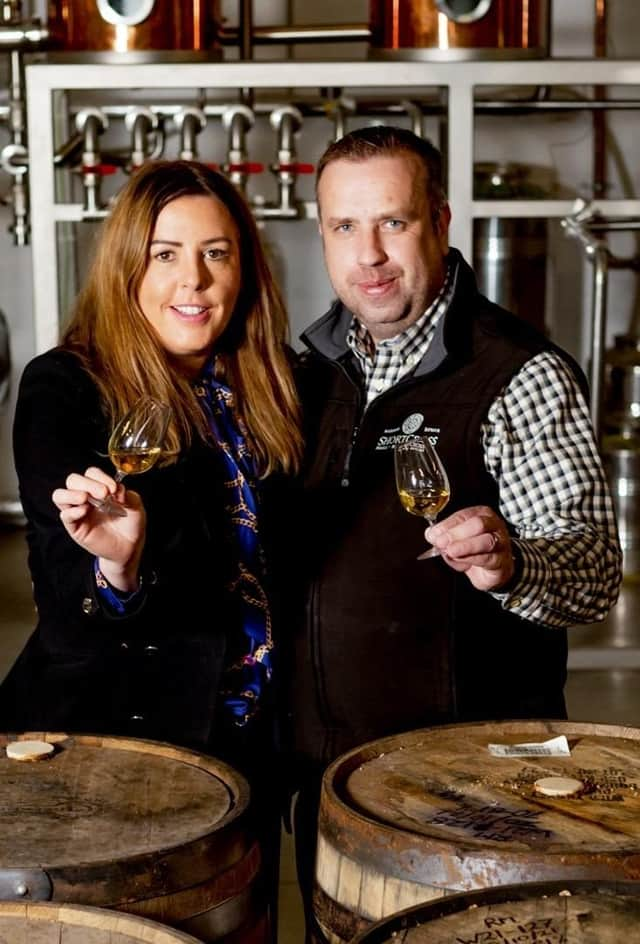
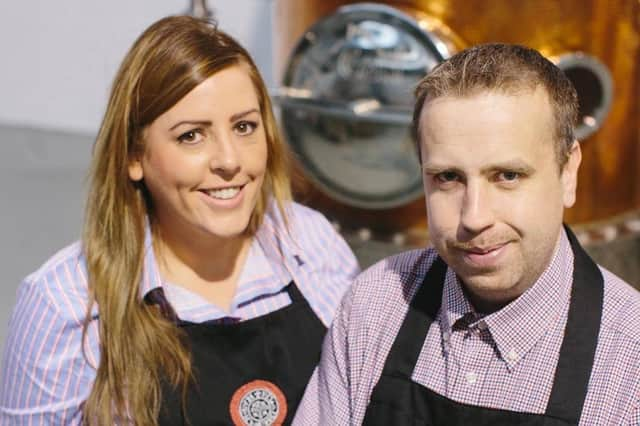
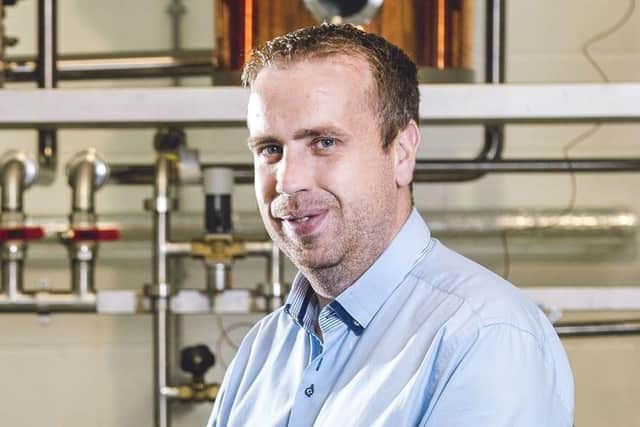
David Boyd Armstrong, the joint founder of Rademon Estate Distillery at Crossgar in Co, Down with wife Fiona, urged Government to back the buoyant local industry, saying: “With the right marriage of economic innovative and government support, we can continue to create opportunities and faster growth.”
Rademon is the home of Shortcross Irish Whiskey, Gin and Poitin.

Rademon also produced blended whiskeys through Irish Bonding Company, a significant export success.
He continued: “Northern Ireland’s spirits sector has undergone a remarkable renaissance, from a single distillery a century ago to a thriving industry of 13 today. This rebirth is not just romantic - it is an economic growth engine.”
A leading personality in the Irish Whiskey Association, the trade body representing the all-Ireland industry, Mr Boyd Armstrong was speaking at a special presentation of Irish whiskey distilleries from Northern Ireland to politicians at the House of Commons in London.
Local distilleries are keen to mirror the achievements of Scotch Whisky, now the cornerstone of Scotland’s £19bn food and drink sector, providing £7.1bn to the overall economy and representing around 70-75 percent of Scottish food and drink exports.
With over 1.6 billion bottles, worth £6.2bn exported to 160 global markets in 2022, it drives major economic value and jobs. Scotland is the world’s top whisky producer, with over 130 operating distilleries.
Mr Boyd Armstrong was speaking at an event, sponsored by Member of Parliament for Strangford Jim Shannon, to celebrate the impressive growth of the Northern Ireland distilling industry and its developing contribution to Northern Ireland.
The event brought together Secretary of State for Northern Ireland Hilary Benn, Under-Secretary of State for Northern Ireland Matthew Patrick, Minister of State in the Department for Environment, Food and Rural Affairs Angela Eagle and members of the Houses of Commons and Lords with distillers and spirits producers from Northern Ireland in Westminster Palace.
The occasion celebrated the Northern Ireland producers of Irish whiskey, Irish cream, gin and poitín, that are preserving traditions while driving economic growth in the region through the creation of skilled jobs, tourist experience centres and strong local supply chains.
It has also experienced significant export success in recent years, with over one million cases of whiskey shipped worldwide each year to 30 global markets.
Killowen Distillery in Rostrevor, for instance, recently secured its first sales in Finland.
Meanwhile, Irish whiskey, agave and no-alcohol products were the only bright spots for the spirits sector last year as the super-premium-and-above segment struggled, according to a major international survey.
Irish whiskey managed to grow its volumes by two percent last year in 21 markets.
Preliminary data from the International Wine and Spirits Report (IWSR) revealed total beverage alcohol (TBA) volumes fell by two percent in 2025 in 21 markets, while value fell by four percent. IWSR noted that this marked the first time in recent history that volume outperformed value.
IWSR labelled spirits the ‘worst performing sector in 2025’. The segment’s volumes were down by four percent and value by nine percent. Excluding national spirits, the decline was less harsh, by one percent for both volume and value. Beer saw a volume dip of one percent last year, while wine fell by four percent.
In value terms, beer was flat and wine decreased by two percent.
Several spirits segments performed well last year, including Irish whiskey, which gained two percent in volume and value, despite a three percent drop in the US – long its biggest market – due to volatility in entry tariffs.
“Irish whiskey gained traction in India, Japan and Poland, while agave increased sales in markets including Mexico, Colombia and the UK,” said Marten Lodewijks, IWSR managing director and president.
“In keeping with broader consumer trends, however, growth in both categories came primarily from the standard and premium price bands last year,” he added.
IWSR noted super-premium-and-above spirits (including national spirits) posted a 15 percent value slump in 2025, while standard-priced products were down by seven percent.
There were smaller declines for spirits in the value-and-below (down by 4%) and premium (down by 5%) price tiers.
IWSR found that the total spirits volume share of the premium-and-above price bands fell to less than 10 percent, with value-and-below commanding 70 percent of the global spirits market.
“As a result of falling disposable incomes and weak consumer sentiment in many of the top 21 markets, the previous trend towards premium products has slowed or, in some cases, gone into reverse,” Lodewijks explained.
“Across spirits and beer, the premium-plus segments performed worse than lower tiers, as shoppers exercised caution.”
While it remains small, the no-alcohol ‘spirits’ category saw its volumes rise by seven percent. In comparison, alcohol-free beer rose by eight percent and wine alternatives posted growth in the UK, US, Canada and France despite an overall decline.
“A turbulent 2025 has caused the drinks industry to recalibrate,” Lodewijks added. “Tariff disruption and a cautious consumer put premiumisation strategies under pressure, while emerging markets offered a rare bright spot.”