
Three-quarters of Northern Ireland's shops say they'll be forced to cut jobs and staff hours due to National Insurance and minimum wage rises
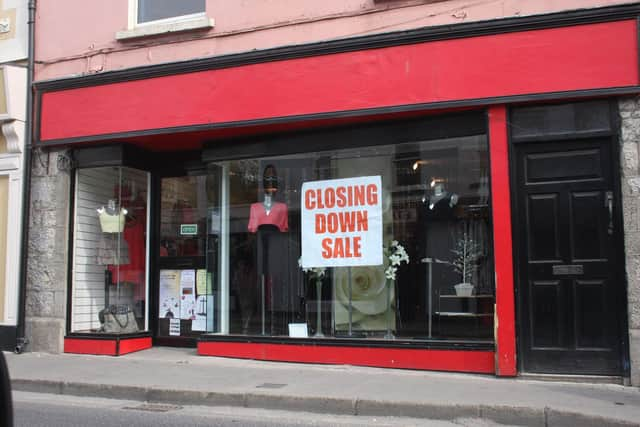
Three-quarters of Northern Ireland’s shops say they’ll be forced to axe jobs and cut back staff hours due to rising salary and National Insurance costs.
That’s according to a survey unveiled today by industry body Retail NI, which shows that close to nine out of every 10 of the independent stores it represents fear a Stormont rates hike would put their future at risk.

And the average store in the province predicts they’ll have to shell out an estimated £90,000 extra over the next financial year to cover increases in National Insurance contributions and minimum wage levels, introduced by the Labour government and due to come into effect in April.
Retail NI chief executive Glyn Roberts labelled looming cost hikes from multiple angles “a perfect storm” that could see businesses shuttering their doors and employees losing jobs.
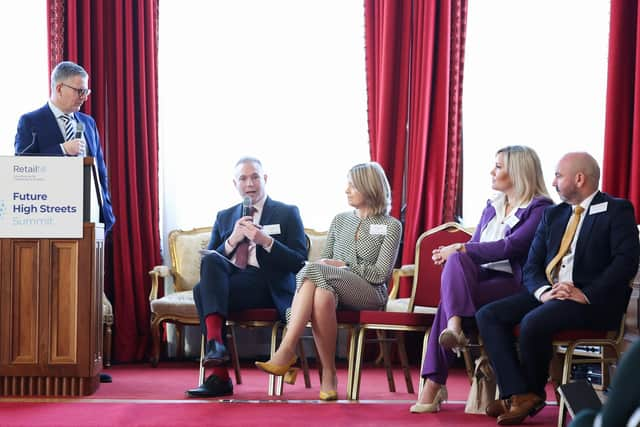
At a summit today (25th) examining challenges facing High Street shops, Retail NI unveiled the results of its survey as well as a five-point plan tackling the issues it raised.
That summit brought together a host of high-ranking figures, including politicians from all five of the province’s main parties, business leaders, and Tory Shadow Northern Ireland Secretary Alex Burghart MP.
The survey published today also showed that 86% of respondents said they’re likely to cancel expansion plans and freeze hiring new workers as a result of rising costs.
And 96% pointed the finger of blame at Stormont, believing the Northern Ireland Executive needs to do more to support local businesses and deliver more for the economy.
“This is a call to action for government at all levels,” said Glyn Roberts, “to address the ongoing perfect storm of increased business costs, which will result in businesses closing, workers losing their jobs, scale-up plans being cancelled and economic stagnation.
“Retail NI is not focusing on the problems, but on the practical solutions to this crisis.
"Our five-point plan includes cost-effective and deliverable measures the Executive could take to alleviate some of the burden of this crisis.”
One major plank of the industry body’s programme involves heavily reforming business taxes, including a rates holiday for shops that suffer major financial losses due to disruption from streets being rebuilt by the public sector or dug up by utility firms.
Rates reforms could also include discounts for firms investing in expanding their business, Retail NI suggests, as well as increasing taxes on very large out-of-town superstores and funnelling the resulting cash into town centre street improvements.
The body wants to see Stormont’s small business rate relief scheme overhauled to give independent retailers, plus leisure and hospitality operations, greater discounts on their bills.
The organisation also suggests getting courts to impose stiffer sentences on shoplifters, changing planning policy to prioritise town centre retail, and creating a new all-party forum on High Street stores that would have the ear of the government.
And it wants to see the Executive’s largely dormant High Street Task Force resurrected.
In 2022, the task force delivered a long-awaited five-year plan designed to save Northern Ireland’s shopping sector. Stormont still hasn’t acted on it, but Retail NI thinks it should be implemented in full.
DUP MLA Diane Forsythe was at today’s summit, calling for “a bold, strategic approach to breathe life back into town centres”, while stating: “High Streets are the backbone of our communities.”