
Blue plaque to radical MP and ‘Father of Tenant Right’ unveiled in Crawfordsburn
A new blue plaque commemorating one of Ulster’s most influential radical figures, William Sharman Crawford, will be unveiled near his ancestral home in Crawfordsburn today.
Crawford (1780-1861), a Co Down landowner, has sometimes been overlooked in histories of Ulster radicalism despite his groundbreaking work on tenant rights and social reform.
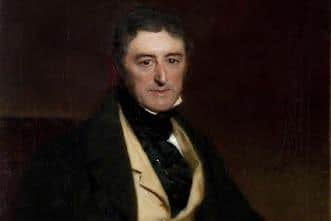

A member of the landed elite, he championed the cause of tenant farmers at a time when many landlords prioritised profit over people.
During the Great Famine, he openly condemned the British government and fellow landowners for what he described as the ‘extermination’ of the rural poor of Ireland.
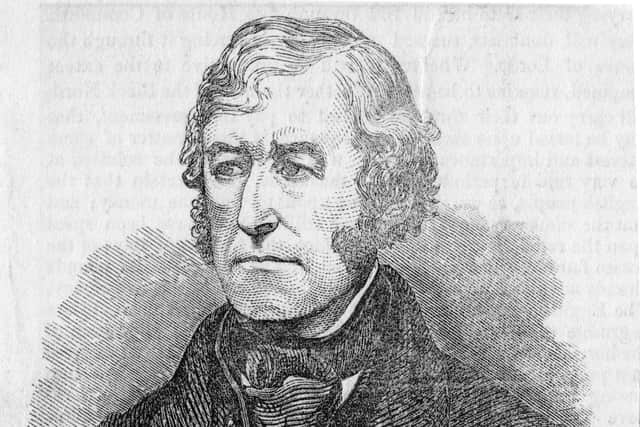
Born at Moira Castle, Crawford inherited estates in Ulster and Meath and later added his wife Mabel Crawford’s property, including Crawfordsburn, to his holdings.
Known for his fair treatment of tenants, he maintained moderate rents, allowed the sale of occupation rights, and avoided evictions as long as rent was paid – a practice aligned with the Ulster custom of tenant right.
He entered Parliament in 1835 and immediately sought legislative reform on rent and tenant rights. Although his efforts faced government opposition and his proposals did not pass during his lifetime, they laid the groundwork for the later Tenant League of Ireland, the Irish Land League, and the landmark Gladstone Land Acts.
Crawford described himself as an Irishman and patriot but strongly opposed separation from Britain.
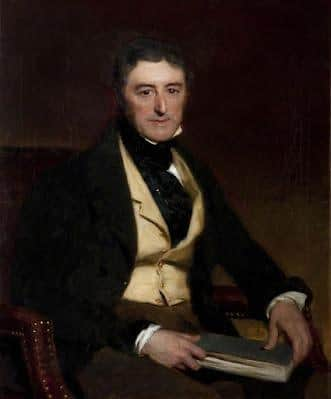
His nuanced position – advocating Irish self-government within a renewed British connection – brought him into direct conflict with the nationalist leader Daniel O’Connell, the ‘Liberator’.
While initially praised by O’Connell as a man whose leadership could herald Ireland’s “national restoration”, relations between the two deteriorated within two years.
They were united in opposing the system of tithes, which forced Catholics and Presbyterians to pay levies to the established Anglican Church. However, disagreements over strategy and wider reform created a bitter rift.
After resigning as MP for Dundalk in 1837, Crawford found support among British radicals. In 1841 he was elected MP for Rochdale with the backing of the Chartist movement, which campaigned for parliamentary reform and extended suffrage.
Despite personal hardship, depression and his wife’s illness, Crawford continued serving in Parliament until 1852. He later unsuccessfully contested County Down, facing opposition from powerful landed interests and the Orange Order. Defeated, he retired from public life and died in 1861 at Crawfordsburn. He is buried in the family mausoleum at Kilmore.
Chris Spurr, chairman of the Ulster History Circle, said: “William Sharman Crawford is remembered as a benevolent landowner who charged moderate rents and never evicted a tenant.
“The Ulster History Circle is pleased to commemorate this radical reformer with a blue plaque in Crawfordsburn near to where he lived. The Circle is grateful to Ards and North Down Borough Council for their financial support towards the plaque and to the management of The Old Inn for their kind assistance.”
The plaque will be unveiled at The Old Inn, Crawfordsburn, today at 2pm.