
DUP lay wreath at Arlington grave of Ulster war hero and architect of 'special relationship' tying US and UK together, Field Marshal Sir John Dill
DUP dignitaries have laid a wreath at the grave of an Ulster war hero who remains one of the few non-Americans buried in the grandest army cemetery in the United States.
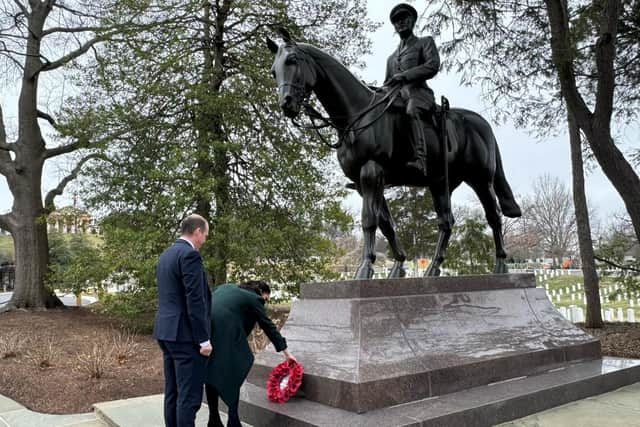
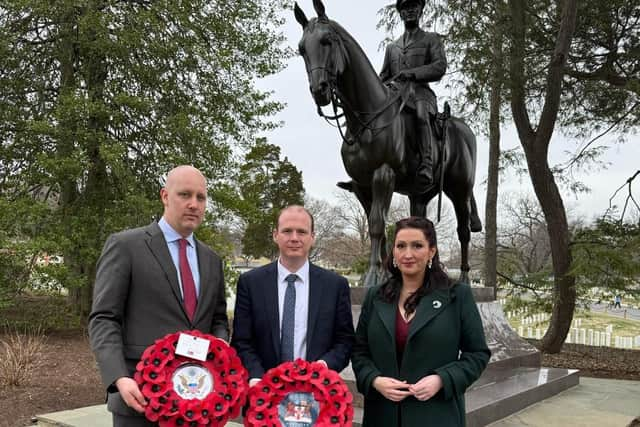
Co Armagh native Field Marshal Sir John Dill’s grave is in Arlington National Cemetery, Virigina, where he lies among presidents and senators, astronauts and generals – and hundreds of thousands of brave veterans.

Born in Lurgan in 1881, he was destined for a life in the military. Fighting as an officer in the Second Boer War, by the time of the First World War he was a Brigade Major; by its end, he was a Brigadier General, had been mentioned in despatches eight times for his bravery, and was awarded national honours by the UK and four foreign countries.
During the Second World War he was the UK's top general, but after repeated clashes with Churchill was promoted to Field Marshal and posted to Washington as the US prepared to join the conflict.
His military diplomacy there excelled, proving vitally important in binding the two nations together as they fought the Axis threat – proving in many ways to be the main architect of the “special relationships” that bonds the UK with the US to this day.
Indeed, President Roosevelt described him as "the most important figure in the remarkable accord which has been developed in the combined operations of our two countries”.
After his death from a blood disorder in 1944, he was held in in such esteem in America that he was given a funeral cortege lined by hundreds of troops, and an equestrian statue standing over his Arlington grave – one of only two such statues in the huge cemetery.
Deputy First Minister Emma Little-Pengelly and Communities Minister Gordon Lyons honoured his memory by laying wreaths at his tomb.