
Give careful consideration to copper supplements
Weather extremes this season have not only affected overall forage and grazing quality but also mineral and trace element levels available for plant uptake. The use of supplements is an obvious solution, but one that should be carefully considered rather than relied on as a catch all, suggests Nettex’s Emily Hall.
“Mineral deficiencies are a potential problem this year because of soil leaching caused by flooding and poor weather earlier in the year. Copper deficiency, in particular, can lead to swayback and therefore poor performance in lambs and ewes” she says.
To help fill the void, a mineral drench or bolus is recommended. However, Mrs Hall recommends that farmers discuss with their vet the best way to determine the copper status of their flock before supplementing with copper.
“This could involve blood testing, forage analysis and/or liver tissue copper analysis, to establish whether a copper-containing supplement is required,” she says.
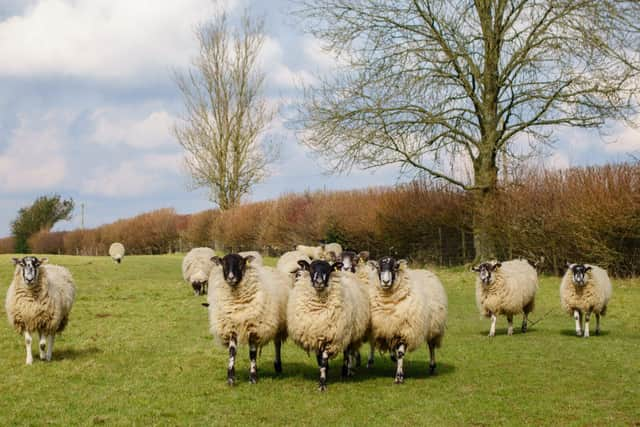

The spectrum of soil and forage samples taken throughout the UK suggests that some areas are at higher risk of copper deficiencies than others. Eurofins’ Shane Brewer has received thousands of soil and forage samples and says there is no obvious trend.
“We have seen huge fluctuations in soil mineral levels which have directly impacted forage quality. Some areas may have suffered significant leaching, and livestock in these areas will be at risk of deficiency this season,” he says.
Accurate soil and forage analysis is recommended to help establish if, and which, supplements could be beneficial to flock health. A mineral bolus offers a daily trace element release over a long-lasting period, whilst ideal for extensive grazing animals it may be a concern for livestock that have access to other copper supplements such as concentrate, blocks or a lick buckets.
Alternatively, a drench will work over a much shorter period of time and may therefore be beneficial for short at-risk periods. Therefore, Mrs Hall recommends considering both a drench and a bolus.
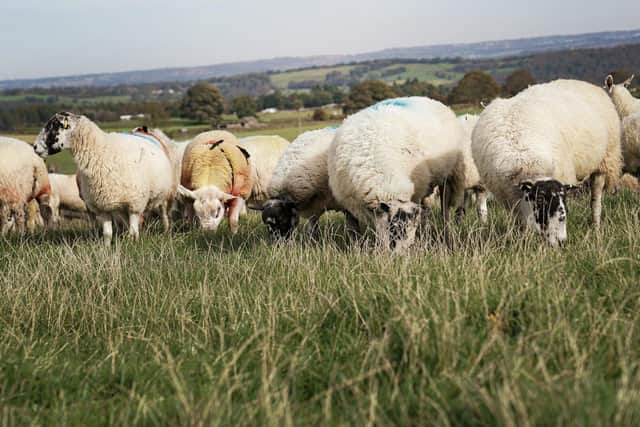
High levels of heavy metals such as molybdenum and sulphur in forage can reduce the availability of dietary copper. Mrs Hall says clinical signs of an imbalance may include poor growth, infertility and lameness.
“Inaccurate supplementation is wasteful and potentially harmful, with minerals such as copper being toxic when over supplied. We recommend farmers work closely with nutritionists and vets to ascertain what deficiencies need to be rectified and then choose a bolus or drench to reduce the threat to lamb and ewe health,” she says.
“We suggest a mineral audit in a flock prior to introducing tups so that the use of a copper-containing drench or bolus can be administered at the correct time to benefit both ewe and lamb health,” she concludes.