
Mum's breastmilk gets premature baby from incubator to home
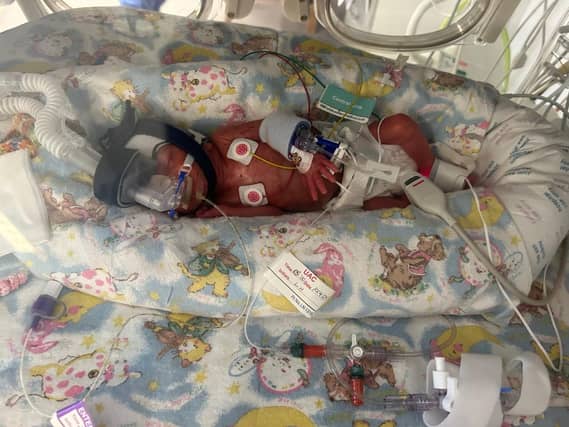

Belfast Trust nutritionist Nikki Lyttle is one of a specialised team at the Royal Jubilee Maternity Hospital which aims to ensure babies get the nourishment they need to reach their goal weight.
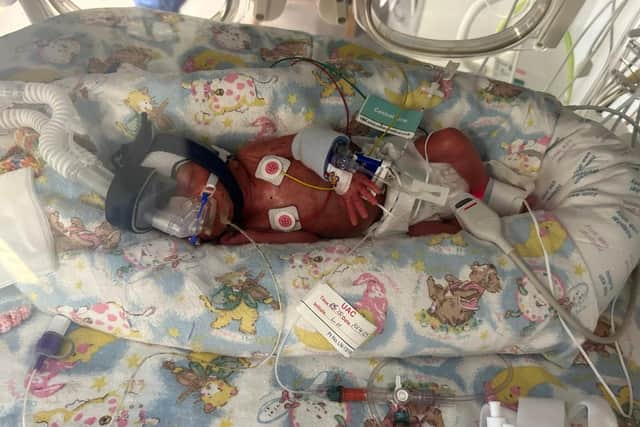
Babies like Fiadh, who was born three months early weighing just 1lb 12oz, and spent 103 days in the neonatal unit.
Nikki said: “We are trying to go from a sub 800g up to the 3kg baby and that is normally happening in utero in the third trimester, but it’s happening in an incubator.
“Their requirements to get to this size is actually more per kg body weight than your Tour de France athlete.
“So that athlete may need about 110 calories per kilo, our babies need 150 calories per kilo.
“They’re doubling their weight and then tripling their weight,” she added.
Breastmilk is unique because it’s the most protective fluid to be used for premature babies, and it boosts baby’s immune system, as well as helping to protect against stomach, chest and kidney infections, asthma, eczema, diabetes and sudden infant death syndrome.
Breastfeeding mums are also at lower risk of breast cancer, ovarian cancer and type two diabetes, and breastfeeding also boosts skin-to-skin contact, which is important for bonding and optimal brain development.

The number of babies discharged from the neonatal unit receiving breastmilk has risen from 26 per cent in 2019 to 58 per cent in 2024.
For mums with a very sick baby, the reality of their labour, delivery and then taking their baby home is probably very different to how they imagined it would be.
Providing milk for their baby is the most important way a mum can help.
Nikki explained: “It’s really powerful for a mum who’s providing milk that doesn’t maybe know how they might feed in the long term and doesn’t know how this journey’s going to go, but to see that development and that progress and every week that they’re weighed to go ‘I did that, that was all my work’.
“The baby’s no longer in the womb but they’re still growing that baby with their own unique nutrition.”