
Farm jobs threat from new employment laws: Union challenges minister over reforms that could 'lock farmers into costs they can't sustain'
Jobs in farming and the wider agri-food sector could be seriously hurt by looming new employment laws, an industry body has warned.
Stormont legislation that’s expected to be debated in the coming months has been described as the most sweeping changes to Northern Ireland’s employment law in decades.

But the Ulster Farmers’ Union (UFU) has challenged Economy Minister Caoimhe Archibald over the moves, stating they “risk causing serious damage to the agri-food sector and family farms”.
The union is particularly concerned about measures around zero-hours and low-hours contracts. The new laws would give workers on those contracts the power to demand what are known as ‘banded contracts’ instead, which come with a set number of hours and a fixed pattern of shifts.
Pointing out that agriculture operates under unique conditions, the UFU says farms are heavily reliant on flexibility to respond to seasonal demands, along with the weather and animal welfare requirements. Introducing banded hours, say officials, could lock farm employees into working patterns that don’t match the seasonal nature of the industry, limiting flexibility and potentially leaving farmers exposed to unsustainable labour costs.
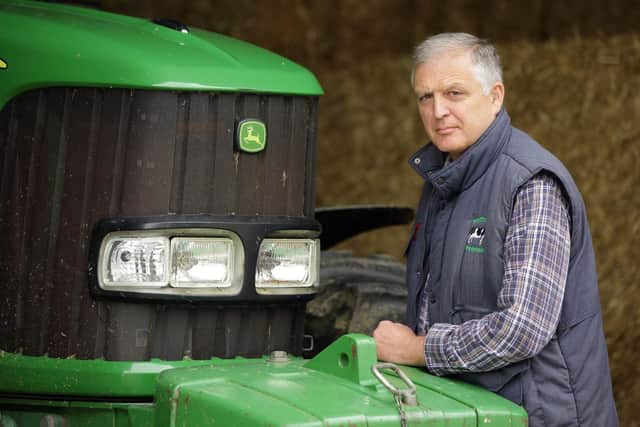
UFU president William Irvine argues the legislation shows “a clear disconnect between what is being proposed and how farming businesses actually operate”.
He said: “Agriculture is not a standard working environment. It depends on weather, seasonal pressures and the demands of animal welfare. The proposed restrictions on flexible working arrangements risk leaving farmers tied into costs they simply cannot sustain, particularly outside seasonal periods.
“This alone will ultimately drive up costs, increase legal risk and undermine the competitiveness of the Northern Ireland’s agri-food industry.”
Jobs are already declining in farming, he added, in part due to “excessive burdens placed on employers through standards that are higher for agriculture than other sectors”. The result has often been that families in agriculture have to step in to make up for worker shortages, and the looming reforms could add further pressure.
Called the ‘Good Jobs’ employment bill, a consultation on the legislation was held two years ago, but Stormont officials are still hammering out its final version. Its aims include giving carers paid leave, boosting the rights of remote or hybrid workers to “switch off” after their shifts, and halving the number of employees needed to set up a branch of a trade union.
Firing an early warning about the potential impact on farming, in a letter to Ms Archibald the UFU argued the trade union moves “do not reflect the structure of the agri-food sector”, which is dominated by small businesses run by families.
Mr Irvine added: “We support fair work and are proud of the good jobs our industry provides, but as they stand these proposals are not workable for agriculture – a sector that is already under significant pressure.
“These are small family-run businesses, not large corporate workplaces, and they should not be treated as such.”
The UFU also raised concerns about the speed at which the legislation is being pushed through Stormont, fearing the reforms haven’t been given enough time to fully assess their impact on the agri-food sector.
“Policymakers need to take the time to understand the consequences of these proposals and ensure the final legislative changes are practical, proportionate and fit for purpose for all,” said Mr Irvine. “This cannot be rushed.”