
Farming rapped for wildlife loss and pollution in Stormont countryside protection plan, just three months after UFU's no confidence vote in Daera
Authorities have to work with farmers to help the environment, a provincewide body has said, after a new Stormont countryside protection plan pointed a finger at the industry over pollution problems.
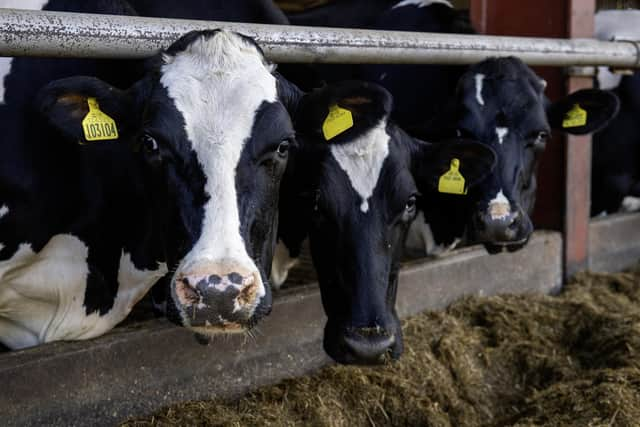
The comment from the Ulster Farmers’ Union (UFU) came as the plan spotlighted a growth in livestock farming in Northern Ireland over the past few decades for doing damage to wildlife habitats, and also stated a substantial amount of river pollution was the fault of agriculture.

Published by the Department for Agriculture, Rural Affairs and the Environment (Daera) last week, the Nature Recovery Strategy is meant to tackle a declining environment, setting out ideas and targets for government and businesses alike.
Parts of it are critical of current practices of farmers, however – a move that comes just three months after the UFU passed a vote of no confidence in Daera in part because, the union felt, there was an “unjustified focus on agriculture” in relation to Lough Neagh’s pollution woes.
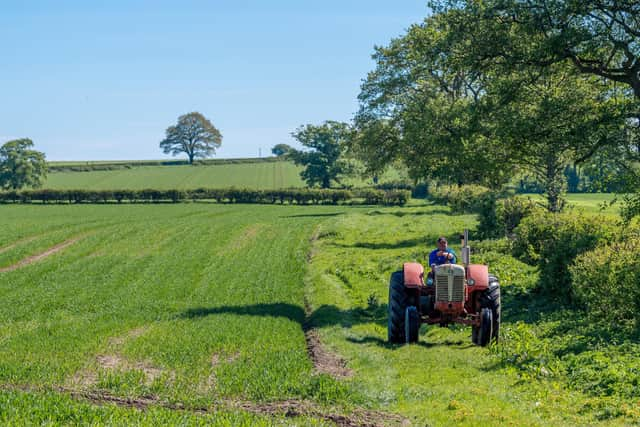
The strategy, which is still out to consultation and has not yet been approved, states “agricultural intensification” is the “most significant factor driving” a decline in wildlife species, and that Northern Ireland is particularly vulnerable as so much of the landscape is farmland.
The strategy says a “large-scale change” in recent decades from mixing crops and livestock on the same farm to having predominantly livestock “has led to the loss of semi-natural habitats, overwintering stubbles and hedgerows”.
“These changes have put pressure on our natural environment and biodiversity and have led to pollution issues,” the strategy states.
Elsewhere, Daera officials behind the document write that “30% of substantiated water pollution incidents” in rivers have been traced to farms.
That’s followed by an admission that farms aren’t the largest source of river pollution. In fact, data cited by the survey says the largest amount of pollution comes a category merely described as “other”, while smaller amounts of pollution than farming come from industry, households, transport, and NI Water itself.
A UFU spokeswoman said a full response to the strategy is still being worked on, but reinforced that Daera must bring farmers on board if its environmental moves are going to work.
“As farmers farm over 75% of the land in Northern Ireland, obtaining buy-in from farmers will be key to the delivery of many of the targets outlined in the strategy,” she told the News Letter.
“We are prepared to play our part in creating an environmentally and economically sustainable agriculture industry, but Daera needs to work with farmers to deliver what is needed.”
When the strategy was published, Daera minister Andrew Muir said Northern Ireland has to “adopt a collective and comprehensive approach to reverse and prevent further decline” in the environment, adding the strategy is meant for the countryside as a whole instead of designated conservation sites.
“Nature can recover if we start recognising its value, stop doing things that harm it, and treat it with the respect it deserves,” he said.
“While we have a long way to go to halt and reverse current trends we can take heart from recent conservation successes, such as Mullaghcarn peatland restoration and protecting native species on Rathlin Island.”