
5 myths about rheumatoid arthritis everyone needs to stop believing
It’s easy to dismiss rheumatoid arthritis as an almost-inevitable part of ageing. But the fact is, rheumatoid arthritis, or RA, isn’t connected to ageing, and is an often very misunderstood condition.
That’s the message from the National Rheumatoid Arthritis Society (NRAS; nras.org.uk), which is using this Rheumatoid Arthritis Awareness Week to highlight the many myths surrounding the disease, which, contrary to popular belief, doesn’t just affect the joints.
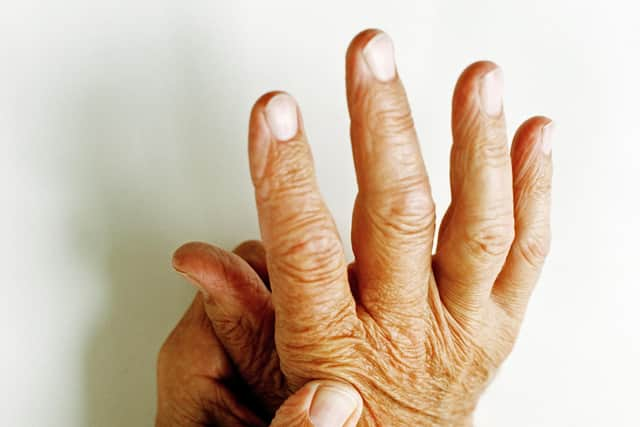

As the NRAS points out, RA is a systemic condition which can affect the body all over. Although joint pain is the most common symptom, it can also affect organs – including the eyes – as well as the nerves, blood vessels and muscles and cause widespread problems such as fatigue and flu-like symptoms.
Other issues can also develop due to RA – like vasculitis, which occurs when blood vessels become swollen.
Here are five things about rheumatoid arthritis everyone needs to stop believing…
1. Rheumatoid arthritis is caused by wear and tear on the joints
Another common type of arthritis – osteoarthritis – is caused by joint wear and tear and is associated with ageing. But RA is different and occurs when the immune system attacks the lining of the joints, causing pain, swelling and stiffness.
“RA is an autoimmune condition that’s a result of the immune system responding inappropriately,” explains Stuart Munday, director of marketing at the NRAS.
“The immune system doesn’t know when to stop doing its job so mistakenly attacks the synovial membrane around the joints, causing pain and swelling, and can also affect other organs.”
2. Only older people get rheumatoid arthritis
Although it’s got a different name, children can get a form of inflammatory arthritis similar to rheumatoid arthritis, known as juvenile idiopathic arthritis (JIA). During adulthood, RA can potentially affect people of all ages.
As Munday says: “The most common age for people to develop RA is between 40 and 60, or a bit older for men. People can get it at any age and there are other forms of inflammatory arthritis, but RA is the most common.”
3. Rheumatoid arthritis is more common in men
This isn’t true. In fact, it’s believed RA impacts roughly two to three times more women than men, says Munday.
4. Only humans get rheumatoid arthritis
Cats and dogs can get a form of arthritis called immune-mediated polyarthritis (IMPA).
Smoking doesn’t affect it
Smoking can increase the risk of RA.
“Smoking can potentially double the chances of developing RA,” stresses Munday. “Once diagnosed, if someone continues to smoke, it can reduce the effectiveness of medication by up to 50%, leading to increased joint pain and inflammation.”