
Co Down woman diagnosed with multiple sclerosis (MS) calls for better understanding of the condition's symptoms
A Co Down woman, who was disagnosed with multiple sclerosis (MS) when she was 24, is sharing her experience as new research highlights the many misunderstandings and misconceptions about the condition.
Philippa Donnelly from Helen’s Bay, said: ''I was diagnosed with MS when I was 24. I had been noting down "strange" symptoms I was experiencing - numbness in different parts of my body, vision issues, and other things that didn’t seem to have an explanation. “After reading about MS on the MS Society website, I recognised all the common symptoms which led me to my GP and following an MRI I was diagnosed with relapsing remitting MS.”


New research from the MS Society/ Opinium reveals that although the vast majority (96 per cent) of people in Northern Ireland are aware of multiple sclerosis (MS), over three quarters (77 per cent) said they only know a little or don’t know much about the condition or how it affects people.
With misunderstandings and misconceptions about the condition making life harder for people with MS, the charity wanted to understand more about awareness levels of the condition.
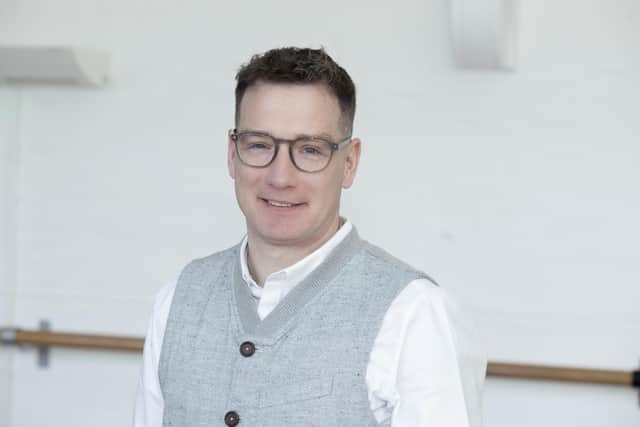
Philippa, who is current interim chair of the MS Society Northern Ireland Council, added: “MS is unpredictable and affects people in so many different ways - some symptoms are visible, but many aren’t. The fact that 77 per cent of people only know a little or not much at all about the condition shows just how much awareness still needs to be raised. A lack of understanding means that people with MS can face judgment and incorrect assumptions.
“After my diagnosis and even now, almost eight years later, I often find myself struggling to explain my symptoms or justify why certain things are so challenging when they seem 'invisible' to others. For example, fatigue can be completely debilitating, but if someone looks fine on the outside, others might not realise just how much they’re struggling.
“A better understanding would lead to more empathy, better workplace adjustments, and less stigma and would allow people with MS to share their experiences more openly. Unfortunately, the research makes it clear that we still have a long way to go in raising awareness and improving understanding of MS.”
Over 5,300 people live with MS in Northern Ireland with an estimated 219 new cases each year. MS is a neurological condition that is unpredictable and different for everyone.
The condition affects the brain and spinal cord and impacts how people move, think and feel. Symptoms are different for everyone and often invisible and include pain, mobility issues and fatigue.
The survey also revealed that of adults in Northern Ireland aware of MS: 45 per cent personally know someone or have known someone with MS; only three in ten (31 per cent) know MS is more prevalent in women than men; only 23 per cent know MS is most likely to be diagnosed in people in their 30s and 40s; less than a third (29%) know that smoking, obesity and lack of sunlight can increase a person’s risk of developing MS.
Stewart Finn, country director at the MS Society Northern Ireland, said: “It’s great so many people in Northern Ireland have heard of multiple sclerosis, but these new stats show we have lots of work to do to increase understanding around the symptoms of MS and the impact on people’s lives.
“MS can be debilitating, exhausting and unpredictable and we know it often strikes at a time when people are making big life choices about careers, relationships and family. Too many people in Northern Ireland are having to fight for the treatments, services, care and support they need to ensure they can live well with MS. Greater understanding of MS could make a huge difference.
“One of the most effective ways for us to do that and create lasting impact is through local campaigners. Whether they have MS themselves or are supporting someone who does, we value everyone who wants to be involved in our campaign for change.”
Philippa added: “The MS Society does amazing work pushing for better healthcare, fighting for the right support in workplaces, or simply raising awareness of what MS is and how it affects people. I would encourage people to get involved and support the work and help make life better for the thousands of people living with MS in Northern Ireland and beyond.”
If you would like to get more involved with the MS Society in Northern Ireland and join our network of campaigners email [email protected] or follow the link Campaign for MS - Stand Up For People With MS | MS Society UK