
Covid booster collapse: Jab in sharp decline, with less than half of over-75s getting shots while under one-fifth of immunosuppressed adults take annual top-up
Vulnerable people are dropping away from Covid vaccine boosters, to the point that now only around two-fifths of people aged 75 and up take it, while fewer than one in five immunosuppressed adults get the jab.
Boosters are given to at-risk age groups and demographics in spring and autumn, the latter seeing a major rollout as all pensioners are meant to be contacted by their GPs every year to top up their protection as winter approaches.
All eligible people are encouraged to take the medicine, as coronavirus is still with us and continues to infect large numbers of people. At the end of September, two new strains were said to be the most commonly spread form of the bug.
According to statistics released in Stormont, however, the past few years have seen major declines in the number of people getting the jab.
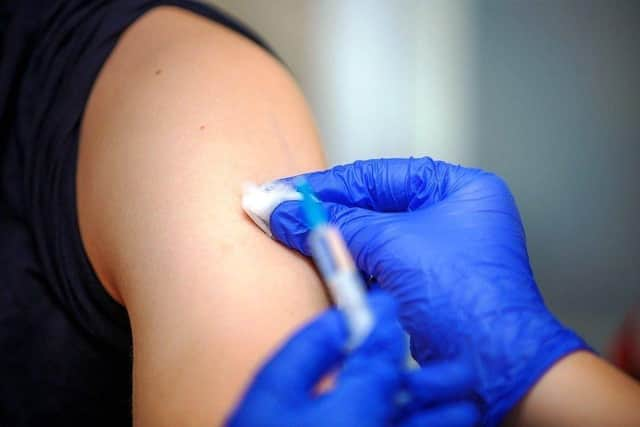

Over-65s qualify for a booster every autumn. Three years ago, roughly 264,500 took it; last year, that was down to 183,000 – a fall of around 30%. It means only 55% of pensioners are getting the annual top-up.
Every spring, over-75s qualify. Statistics show that in 2022, 79% of that group had a booster shot; by this year, that had plummeted to just 42%. That means 87,500 of the province’s oldest people, all of them eligible for the booster, didn’t get it.
Immunosuppressed adults also qualify every spring. This year, just 19% of them took the jab.
The amount of care home residents to have a booster shot has also declined, though remains higher than the larger cohort of pensioners in general. A few years ago, more than two-fifths of people in homes got the jab, while last year it was just under two-thirds.
The statistics surfaced in response to questions in the Assembly from MLA Diane Forsythe, who told the News Letter she checked into the issue after being approached by elderly constituents who had fallen seriously ill after a Covid booster shot in the past; unwilling to risk it again, they complained of feeling pressured into getting jabbed.
She feels more investigation is needed to get the full picture, suggesting several potential explanations such as the booster being less effective against new strains, a belief Covid is effectively over since the pandemic, or a lack of proper communication about what the booster shots are for and can do.
“Whatever the case, this issue is something the Department of Health needs to get to grips with,” said the South Down DUP representative.
“These figures clearly show that people are making their own informed choices when it comes to the Covid booster. Vaccination should always be a matter of individual choice, not coercion or guilt.
“There is now greater public awareness of those who believe they have been harmed by the vaccine booster, and it’s only natural that this will influence personal decisions. People deserve honest information, respect for their choice, and support.”
A Department of Health spokeswoman said falls in booster uptakes are “not unique to Northern Ireland” and happen across the UK.
“There are many factors that contribute to declining vaccination uptake rates and, while work to improve uptake rates is ongoing, it may take time before we see the results,” she said, adding a multi-disciplinary working group has been set up to tackle the issue.