
Government could have built a “few” hospitals or slashed waiting lists with estimated £3 billion cost to cover long-running doctor dispute, says Health Secretary
Resident doctors, formerly known as junior doctors, have begun their 15th strike since 2023, with the cumulative cost of the walkouts estimated to have topped £3 billion.
Resident doctors, formerly known as junior doctors, have begun their 15th strike since 2023, with the cumulative cost of the walkouts estimated to have topped £3 billion.
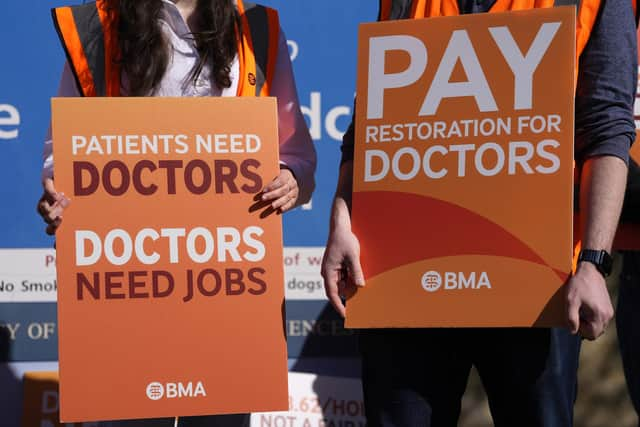

Asked by LBC's Nick Ferrari what could have been done with those funds, Mr Streeting said: “We can do a few hospitals for that.
“We could have run far more appointments and procedures with that money to cut waiting lists faster. Those would probably be the things that I would have chosen to prioritise.”
The latest six-day strike, which began at 7am yesterday, will cost the NHS £300 million, the health secretary said.
Meanwhile, the minister said that additional training places for resident doctors are not needed for the NHS or for patients.
Mr Streeting said the public would think he had “lost the plot” if he pressed ahead with the offer of 1,000 additional training places for resident doctors after they rejected the government's deal on pay and jobs.
NHS officials have said the strike – the joint longest walkout by resident doctors – will be “difficult” but urged patients to come forward as normal.
It comes after an offer from the government was rejected by the British Medical Association's (BMA) resident doctors committee.
The proposal included a 4.9% increase in average basic pay, which, according to Mr Streeting, would have left resident doctors 35.2% better off than four years ago.
The proposal also included an offer of 1,000 extra training places, although that was taken off the table with Mr Streeting saying it was no longer “financially or operationally” possible as the NHS prepares to deal with the fallout from industrial action.
Mr Streeting told Times Radio: “I didn't remove those training places, the BMA did when they rejected the deal – they seem to think they can have all of the benefits of the deal at the same time as rejecting it.
“The jobs are still there, but what the training places do is provide higher pay and career progression for those doctors, that's what the BMA have rejected.
“I'm not getting the message from NHS leaders that these training places are needed for the NHS or for patients.”
Dr Jack Fletcher, chairman of the BMA resident doctors committee, told the Press Association: “There are doctors here this morning who have left the NHS because they don't feel valued, they don't feel able to progress. So we don't only need more, but we need to stop doctors from leaving.
“And last year, more doctors than in the last decade left the NHS, and we need to stop that from happening by valuing them.”
Elsewhere, hundreds of BMA staff were also on strike yesterday in an ongoing row over pay.
On the dispute, Mr Streeting told BBC Breakfast: “Here's the real kicker, having rejected this deal because the pay offer apparently wasn't good enough at 4.9%, the BMA are offering their own staff 2.75% on affordability grounds.”