
Lifestyle changes could ease MS but NI is in the dark
People living in Northern Ireland significantly underestimate the impact of healthy lifestyle choices on multiple sclerosis (MS), a new survey by charity Overcoming MS reveals.
Thousands of people across the country, and the UK more broadly, who are living with the life-limiting condition could be taking steps to help manage pain, reduce fatigue and even slow the progression of the disease – but lack of information and awareness is holding them back.
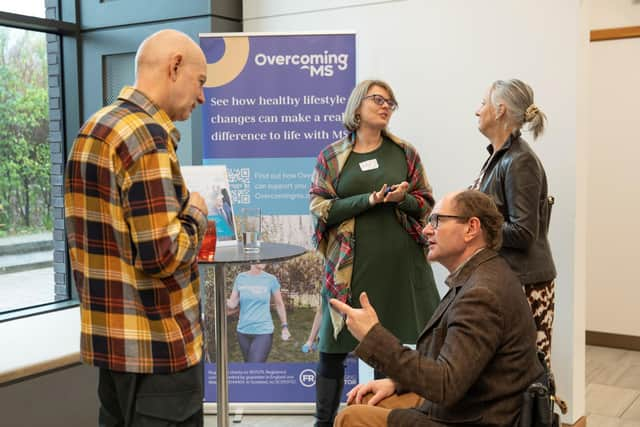

The survey found that just 16% of people in Northern Ireland believe that lifestyle choices such as giving up smoking, improving diet, exercising or reducing stress could make a meaningful difference for people with MS.
By contrast, 54% said the same for diabetes and 54% for heart disease, making it more likely that those diagnosed with these conditions will take proactive steps to help manage them.
More than one in ten (11%) admitted they were unsure whether lifestyle changes could help people with MS, indicating a major gap in public understanding.
MS is a chronic autoimmune disease that affects the central nervous system, leading to the deterioration of the protective myelin sheath around nerve fibres, which disrupts communication between the brain and the body.
The condition affects around 5,300 or 1 in every 350 people in Northern Ireland. In the UK there are approximately 7,100 new diagnoses each year – an average of 135 people per week and this number is on the rise.
While there is no cure, a growing body of research indicates that healthy behaviours can ease symptoms and may help slow progression, offering patients greater control over their lives.
A high-quality diet, such as that recommended by Overcoming MS, has been linked to a 50% reduction in disability progression over seven-and-a-half years.
Research has also suggested that regular exercise or physical activity can help reduce the likelihood of MS relapse in some people.
“Lifestyle changes, while not a cure, can and do make a real difference to symptoms and quality of life for people living with MS”, said Alexandra Holden, chief executive of Overcoming MS.
“Yet too many people don’t know this, or find information about it in a haphazard way.
“With NHS resources under pressure, it’s more important than ever that people have access to evidence-based lifestyle strategies to support their health, alongside medication.”
“The biggest challenge right now is lack of awareness, and misinformation, stopping people diagnosed with MS from accessing the full benefits of lifestyle-related support”.
The survey also revealed widespread fear and fatalism around the condition amongst people in Northern Ireland:
75% said an MS diagnosis would make them feel fearful for the future
67% said they would feel helpless and out of control
In chronic conditions like diabetes and heart disease, lifestyle interventions are considered essential – not optional. In MS, however, these approaches are still often viewed as supportive rather than central, despite their potential to improve quality of life and a growing evidence base to support this.
Dr Jonathan White is an obstetrician and gynaecologist and lives on the north coast of Northern Ireland with his wife and two young children. He was diagnosed with MS in 2015:
“One of the reasons I want to spread this message so passionately is because MS does not have to be a death sentence - the version that many of us have in our minds of life-long ill health and inevitable disability progression, because there is so much that can be done to change the course of your MS and your day to day symptoms”, he said.
"There’s no reason why many, many people with MS can’t live a very full, happy and fulfilled life. I know that I do 10 years later.”
Overcoming MS has campaigned for greater awareness of the benefits of lifestyle for over a decade.
The charity is now urging healthcare professionals and policymakers to embed lifestyle interventions alongside medical interventions as a routine part of MS care to better support and empower people living with the condition.
Dr Kate Petheram, consultant neurologist at South Tyneside and Sunderland NHS Foundation Trust, said: “One of the greatest challenges with MS is that its symptoms and progression can look different for everyone and this may lead to an overwhelming sense of uncertainty for those with the condition about the path ahead and how best to manage their MS.
"Alongside medical interventions, providing patients with the knowledge about proven ways that lifestyle changes can help manage their specific symptoms and give them a greater sense of agency in their treatment, can be hugely empowering.
“With a growing body of evidence about the positive impact of lifestyle changes on those living with MS, it’s essential that these discussions are had with more people as part of their clinical care.”
l For more information and resources including a quiz to test your knowledge about MS and an introduction to research and evidence on the positive benefits of lifestyle changes for people living with MS visit overcomingms.org/notadestiny