
Most people diagnosed with a less survivable cancer in Northern Ireland will die within one year, research reveals
A Co Down man has said he is grateful his stomach cancer was diagnosed early, as new data reveals that people with ‘less survivable cancers’, will die from their disease within one year.
Data released by the Less Survivable Cancers Taskforce shows that more than half (62 per cent) of people in Northern Ireland diagnosed with a cancer of the lung, liver, brain, oesophagus, pancreas or stomach will die from their disease within one year.

The new analysis of existing cancer registry data shows that the average one year survival for a patient diagnosed with a less survivable cancer in Northern Ireland is just 38 per cent. This contrasts sharply with the overall one-year survival rate in Northern Ireland for all cancers, which is 73 per cent.
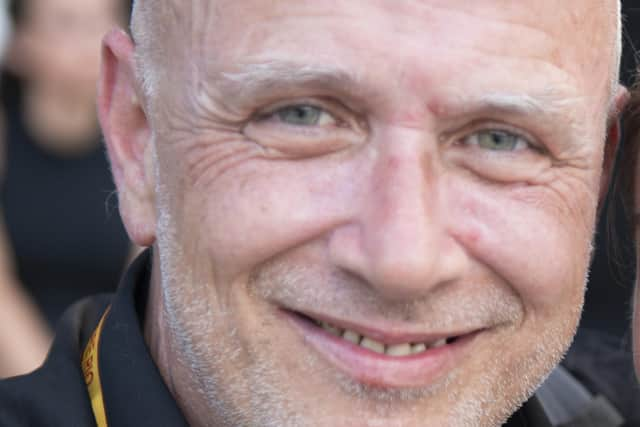
Paul Marshall, 60, from Bangor, was diagnosed with stomach cancer in December 2023.
He said: "I was fortunate that my stomach cancer was diagnosed before it had spread more widely despite it being advanced.
" Sadly, most stomach cancers are found too late for ‘cure’ because they have spread beyond the original tumour. This happens because the early symptoms are non-specific and easily disregarded as less serious stomach upsets. By the time it becomes obvious, it is too late.
“I've spent the year since diagnosis receiving chemotherapy, having my stomach surgically removed and recovering from the physical and emotional trauma.
"The impacts of the treatments have been and continue to be very challenging, between early weight loss and having had my stomach removed I went from weighing 80kg to 55kg.
“The physical and emotional toll has been, and remains, enormous. Yes I won the war but now I’m struggling to come to terms with the life-changing physical legacy that is the ‘peace’ and overshadowed by the knowledge that the cancer may return.
"I remain grateful however because every challenge met today means I have a dawn tomorrow. Giving up has never been an option but it’s not an easy path."
Over 90,000 people are diagnosed with one of the less survivable cancers in the UK every year and they account for nearly half of all common cancer deaths.
These cancers are overwhelmingly diagnosed at later stages compared to other cancers. Only 28 per cent of patients are diagnosed at stage 1 or 2, compared to 54 per cent for all cancers.
This late-stage diagnosis limits the potential for treatments that could significantly improve survival rates.
Despite their prevalence, the less survivable cancers receive a fraction (16.6 per cent) of research funding of more survivable cancers.
Formed by charities supporting patients, the Less Survivable Cancers Taskforce is calling for government-level commitments to prioritise early detection, research funding and the development of new treatment options for these cancers with the aim of reducing the stark inequalities in prognosis.
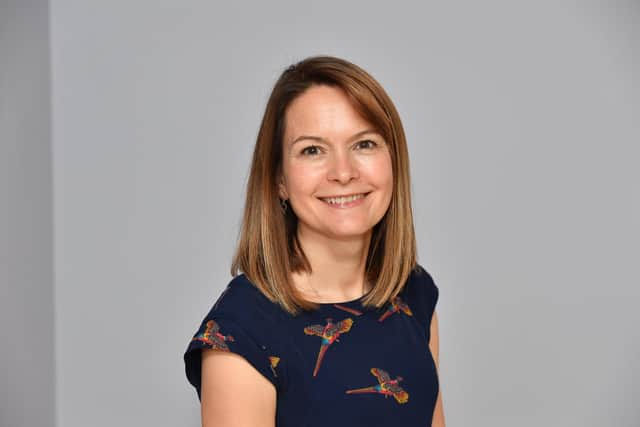
Anna Jewell, chair of the Less Survivable Cancers Taskforce, said: “The reality that more than half of people diagnosed with a less survivable cancer will not survive beyond a year is simply unacceptable.
"It is essential that all UK governments take immediate steps to develop and implement national action plans dedicated to less survivable cancers to improve the outcomes for patients with these devastating diseases.
"We can change the narrative and improve one year survival by setting specific targets, prioritising early diagnosis and improving treatment pathways to give every patient a fighting chance.”