
NI woman's ultimate gift gives brother Graeme hope after kidney transplant
A Belfast kidney transplant patient is sharing his personal journey ahead of World Kidney Day (March 13) to raise awareness following his procedure in the summer of 2021.
Graeme Francey, 57, an international hockey coach and Inst school coach, was diagnosed with Chronic Kidney Disease (CKD) in 2007 at the age of 39, after a routine GP visit detected high blood pressure, an unexpected finding for someone who considered himself extremely fit.

"The recording of the blood pressure that day was ridiculously high, but I thought nothing of it. I just thought I was a bit anxious about seeing the GP,” said Graeme.
"They suggested I come in for five consecutive days for the blood pressure to be checked. I did that and again each day the numbers were really, really high.”

Following blood tests, Graeme, a P7 teacher, was referred to the Ulster Hospital Renal Unit.
“Within fifteen minutes of meeting consultant nephrologist, Dr Smyth, I was told I would need a kidney transplant within a year.
“Being diagnosed was a huge shock to me. I had no idea I had Chronic Kidney Disease. My kidney function was only 16%. At that time, I was hoping to go full-time into hockey coaching and had been shortlisted for international coaching jobs.”
After the diagnosis, Graeme said “some things started to make sense”.
"For example, I couldn't understand why when I was training as much as I was, and just generally keeping fit, I never felt I was getting fitter. And the fact that when I got home from school, before going out to coach hockey, I would be falling asleep for 45 minutes or so. I had also been getting severe headaches on and off and the other strange one was a metallic taste in my mouth – it turned out that's also a symptom (of CKD).
With medical therapy, Graeme was able to stabilise his kidney function for several years and he continued working.
"I probably needed to sleep 15 or 20 minutes at lunchtime and I just didn't eat lunch during the day because that would make me a little bit sleepy. When I got home from school I would have a snack and then go to bed for maybe an hour or two hours, then wake up and then have my dinner and then go to bed again. That became normal to me.”
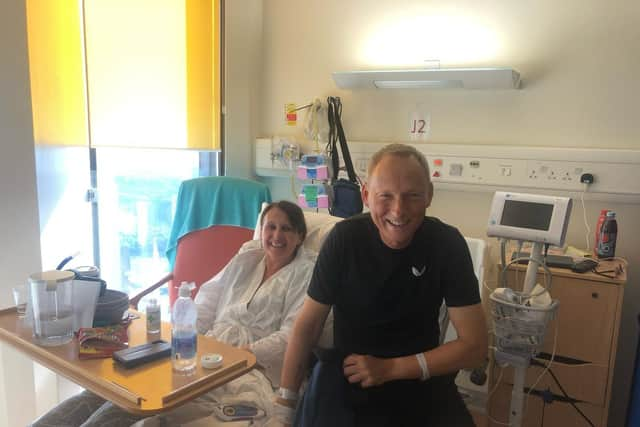
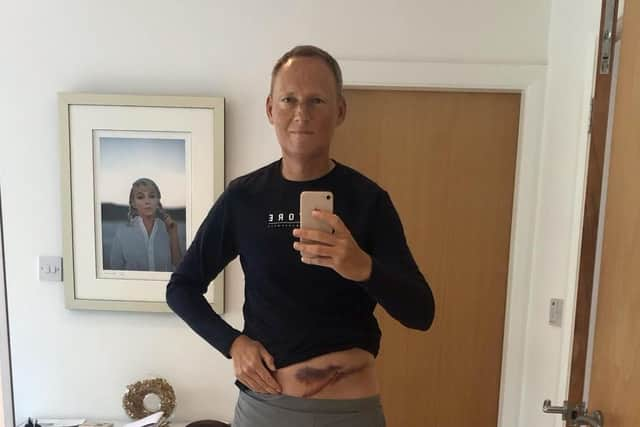
As his kidney function declined, the need for a life-saving kidney transplant became inevitable. His sister, Lynn Shanks, proved to be a perfect match.
“As soon as I was diagnosed, my family immediately offered to get tested. Lynn being a perfect match was incredible and her willingness to donate was an act of kindness I can never repay,” he said.
On the day of the transplant, Graeme’s primary concern was for his sister.
“I was more worried about Lynn than myself, but I knew she was in good hands, and that was all that mattered to me,” he shared.
Now fully recovered, Graeme has returned to his passion for hockey coaching, feeling stronger and more energetic than before.
"I'm going to be leaving teaching in two months to coach an under 21 women's team full time at Hockey Ireland.”
He added: “For anyone considering organ donation, they should know they are changing someone’s life. I have been very lucky.”
Graeme also paid tribute to the Ulster and City Hospitals.
“I've been going to the Ulster Hospital for 18 years. The way they looked after me has been phenomenal, and obviously the transplant team in the City Hospital as well.”
Lynn, 53, added: "It was something he needed and thankfully I had the means to be able to help. I was thankful to God for giving me healthy kidneys. I didn’t give it a second thought, I knew this was the right thing to do."
The mum-of-three added: “The doctors were just amazing. If there had been anything wrong with me, in any way, straight away they would have advised me not to go ahead.”
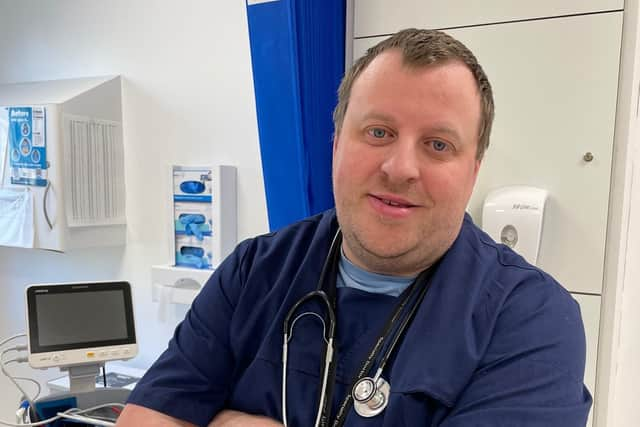
To promote kidney health, specialty doctor at the Ulster Hospital, Dr Richard McCrory emphasises early detection.
“The focus of World Kidney Day 2025 is ‘Are Your Kidneys Ok?’ Symptoms of CKD may not appear until it has significantly progressed. Routine tests, such as urine dipstick or blood monitoring, can identify findings that are the essential first step in diagnosing CKD, preventing complications and improving quality of life.”
Dr McCrory explained that a history of conditions like hypertension, diabetes, cardiovascular disease and obesity increase the risk of developing CKD, but patients may develop CKD without any of these factors.
“Managing your salt intake, your weight and blood pressure are key to reducing CKD risk and progression. The SGLT2 inhibitors, drugs originally designed to treat Diabetes, can significantly reduce the risk of CKD progression and the Ulster Hospital Renal Unit has played an active role in this research.”
He also highlighted the importance of smoking cessation.
“Smoking can accelerate CKD progression and we strongly encourage patients to quit.”
World Kidney Day reminds individuals to take charge of their kidney health, particularly if they have concurrent health conditions. “Awareness and self-management are essential to reducing complications of kidney disease. People also need incentives at community, government and societal levels to support positive health behaviours” Dr McCrory stressed.
Graeme echoed this sentiment, encouraging those diagnosed with CKD to stay positive and take control of their health.
“Focus on what you can control, diet, exercise and following medical advice. A transplant diagnosis is life-changing, but looking after your kidney health is vital.”