
Northern Ireland Chest Heart & Stroke (NICHS) campaign aims to raise public awareness of heart failure which can have worse outcomes than many cancers
Northern Ireland Chest Heart & Stroke (NICHS) has recently launched a new heart failure awareness campaign which aims to educate the public about the condition, its symptoms, and encourages people to seek medical advice if they are experiencing any of the signs of heart failure, due to the fact it can have more serious outcomes than a number of cancers.
Ursula Ferguson, director of Care Services at NICHS, said: “It is estimated that 20,231 people are living with heart failure in Northern Ireland and that 6,391 hospital admissions per year here are due to the condition. The number of people diagnosed with heart failure has increased by 40 per cent in the last 10 years so we are really concerned about how these figures may rise over the coming years. In fact, it is estimated there is likely to be an increase in people being diagnosed with heart failure in excess of 50 per cent in the next 25 years, due to an ageing population and rising obesity and diabetes levels.
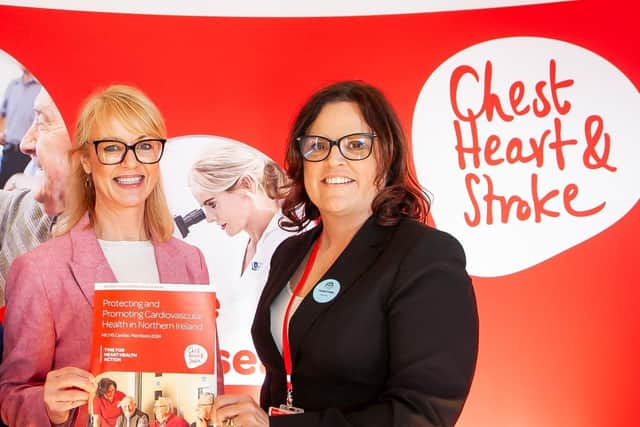

“We are running our heart failure awareness campaign, which includes extensive outdoor, digital and radio advertising, to help people across Northern Ireland learn more about the signs and symptoms of this often-misunderstood condition. In a recent survey, 66 per cent of people in NI did not know the symptoms of heart failure and it is crucial the public are aware of these.
“The most common symptoms of heart failure are breathlessness, exhaustion, and swollen ankles. Symptoms may develop quickly or gradually over weeks or months. If you are experiencing any of these symptoms, we would urge you to make an appointment to speak to your GP as soon as you can. If you do have heart failure, the sooner it is diagnosed the sooner you can get started on the correct treatment and care plan which is vitally important.”
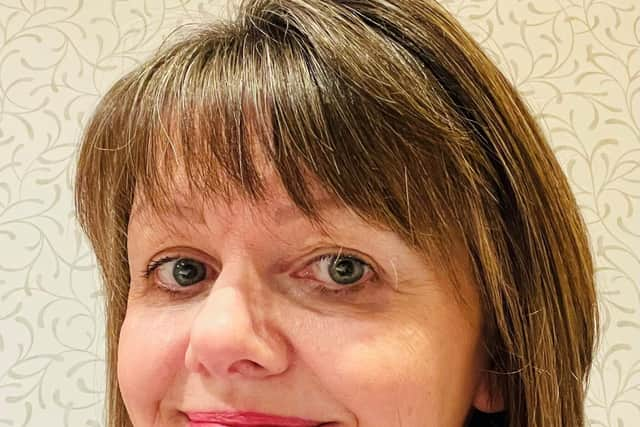
The charity’s campaign has been developed in conjunction with local heart failure healthcare professionals including Dr Patricia Campbell, clinical lead for Heart Failure Service for Northern Ireland, and Edith Donnelly, advanced nurse practitioner, Heart Failure, at the Southern Health and Social Care Trust.
Dr Campbell said: “Most people know little about this condition, which can have outcomes worse than many cancers. But the good news is that we have lifesaving therapies to treat it. To ensure the best outcomes for people living with heart failure an early diagnosis is essential, and so it is important for the public to be aware of the symptoms.
“Heart failure is a medical condition which means the heart is not able to pump effectively. In very simple terms, the heart is a muscular pump, and its job is to pump blood around body. To do this it needs to contract, or squeeze, and relax. Heart failure happens when the heart does not contract or relax as well as it should. This causes symptoms such as breathlessness, fatigue, and fluid retention, as highlighted in NICHS’s campaign. You might notice that you cannot walk as far as you used to because you get breathless, or that you get tired when doing your normal activities. You might also notice that your feet, legs, ankles, or stomach start to swell.”
Edith Donnelly added: “Heart failure is a long-term condition, and if left untreated, symptoms get worse over time. With the right treatment however it can be managed, and the symptoms can be controlled for many years. Heart failure does not mean your heart has stopped working completely; it just needs treatment and support to help it work better which is why it is so vitally important people are aware of the condition and its symptoms so they can seek medical help as early as possible.
“There are numerous causes of heart failure. These include damage to the heart muscle after a heart attack, an abnormal heart rhythm, high blood pressure or problems with the valves in the heart. It can also be caused by congenital heart disease or cardiomyopathy. All these conditions can damage or put extra strain on the heart over a long period of time.
“ Treatment can include medication which is usually prescribed by specialist heart failure nurses as they are experts in getting heart failure patients on the correct medication, at the correct doses.
“Cardiac rehabilitation, which is delivered by specialist nurses and physiotherapists, can help heart failure patients safely increase their activity levels, improving their fitness and quality of life. Lifestyle changes such as stopping smoking, reducing alcohol intake, eating a healthy diet, weight management, and keeping active can also help.”
Ursula Ferguson added: “If you think you or a loved one has heart failure and this hasn’t been diagnosed, contact your GP as soon as possible.”
“If you are living with a heart failure diagnosis, the important thing to remember is the condition is treatable and manageable. There are cardiologists and specialist nurses who are experts in this field and will guide and support you throughout your journey.”
“Northern Ireland Chest Heart & Stroke’s Care Services team are also here to provide support. Our Family Support Service will give the personalised information and advice you and your family need as you navigate life with heart failure.”
For further information about NICHS’s heart failure campaign, visit www.nichs.org.uk/heartfailure