
Nurse of the year named for pioneering work preventing blindness in premature babies
A Belfast nurse has scooped a provincewide award for pioneering work preventing blindness in the most vulnerable newborn babies.
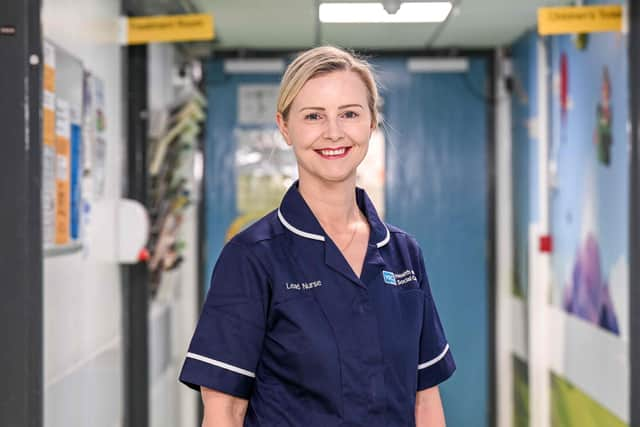
Linda Hamilton developed a new screening system employed right across Northern Ireland, which has meant that not a single child is missed from vital screening programmes that can detect and treat vision problems.

Some premature babies are in danger of developing a condition called Retinopathy of Prematurity (ROP), in which abnormal blood vessels grow and leak in the retina causing blindness.
Infants need to be tested early before the condition can develop. Before Linda took over supervision of the area, however, more than a quarter of at-risk premature babies didn’t get those tests on time; within three months of her arrival, every child received them.
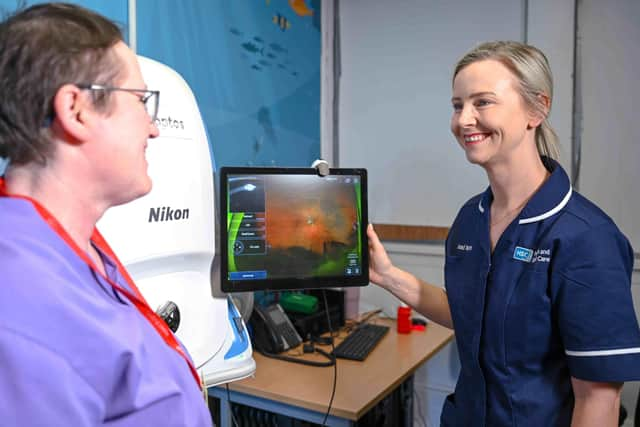
She went on to modernise the field across the province with up-to-date technology and systems, health officials stating her leadership “has turned a struggling service into a national benchmark”.
On Thursday night, she was awarded the Royal College of Nurses (RCN) Northern Ireland Nurse of the Year Award.
But as Linda told the News Letter, the gong came as a huge surprise.
“I still don’t know how I feel about it,” said the Belfast Trust’s paediatric ophthalmology manager. “It’s amazing, but I’m very shocked.

“I’m so used to putting my head down, working with my team, and we don’t usually look for praise – that’s nurses for you, we just get on and do it. So it’s really nice the RCN should recognise me.”
Babies born before 31 weeks of pregnancy and weighing less than about 3.3lbs face the greatest threat of ROP and need to be screened for the condition.
Previously, explained Linda, consultant ophthalmologists had to seek out premature babies in the often chaotic and high-pressure surroundings of neo-natal intensive care units. Combined with children being moved around different hospitals, it was possible for screenings to be missed within the correct timeframe.
"We knew who needed screened and when,” she said. “These babies can go blind within 72 hours [if ROP isn’t detected] so it was really unforgiveable not to screen on time.”
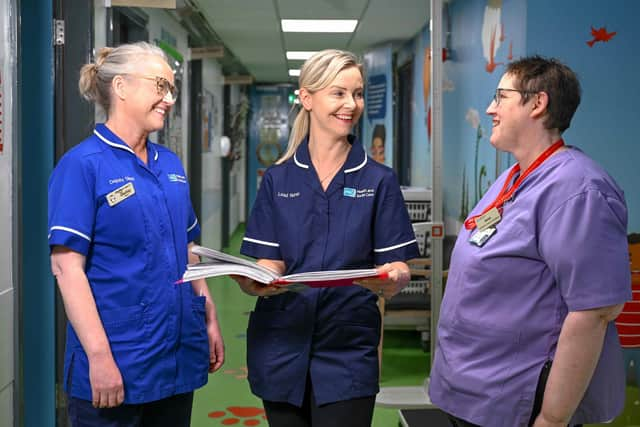
The intensive care units were doing their best, she emphasises, but lacked specialist oversight of this issue.
Linda introduced a “zero-fail” system, developing a database that logs all at-risk premature babies across the province, flagging their name, location and date of screening to ophthalmologists and sending reminders the day before their screening is due – rapidly improving results.
She also brought in new technology enabling nurses to carry out ROP tests, boosting efficiency and reduced the risk of the condition being missed in vulnerable infants.
RCN Northern Ireland executive director Rita Devlin said Linda’s work is “a powerful example of how nursing leadership can transform services, reduce risk and make a lasting difference to patients’ lives”.