
'Stay vigilant' warning issued: How to treat an Asian hornet sting after first sighting in Belfast

Asian hornets are known for having a ‘particularly strong sting’ 🐝
- The first sighting of an Asian hornet has been confirmed by DAERA.
- The invasive species has been spotted in Dundonald.
- Well Pharmacy’s George Sandhu has issued advice on how to treat an Asian hornet sting.
Members of the public are being urged to be “vigilant” after an Asian hornet sighting in Belfast.
The first confirmed sighting has been confirmed by the Northern Ireland Environment Agency (DAERA). It was caught by a member of the public in the Dundonald area on October 10. It comes after two nests were found and destroyed in Cork earlier this summer.
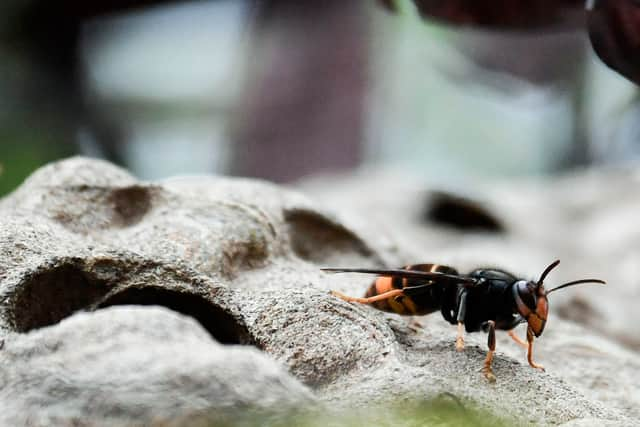
Asian hornets, also known as the Yellow-legged hornet, are a harmful invasive species that was first detected in Europe in 2004. They pose a significant threat to many native insects, including honey bees.

Andrew Muir, Minister for Agriculture, Environment and Rural Affairs, said: "This is a harmful species that I do not wish to see becoming established in Northern Ireland as it presents a serious threat to both biosecurity and local ecology, particularly valuable pollinating insects.
“On current evidence, this is a solitary Asian hornet, but a Departmental response is underway to ensure that no other Asian hornets are present. I am grateful to the Dundonald householder who captured and reported the Asian hornet and would urge the public to remain alert to the potential presence of this insect."
What does an Asian hornet look like?
The invasive species have slight differences in appearance to wasps and other hornets - most prominently, the Asian hornet has yellow legs and is generally seen as more aggressive than wasps and will potentially sting unprovoked.
Members of the public are being urged to keep an eye out for Asian hornets and to report any suspected insects, along with a photograph to Asian Hornet Watch, or to Invasive Non-Native Species Northern Ireland.
How to treat an Asian hornet sting
If you are stung by an Asian hornet, then Well Pharmacy’s George Sandhu has the following advice, which could help alleviate the pain.
Mr Sandhu said: “Asian hornets possess a particularly strong sting, which can be very unpleasant; however, if patients follow the below guidance, they will be able to soothe the sting, which should heal in a few days.”
Clean with soap and water
A hornet sting is much more painful than a normal sting, as there is no stinger left behind and nothing to be removed. Mr Sandhu explains: “Instead, head for the sink and use soap and cool water to clean the wound, no matter how small.”
Apply ice
After cleaning the wound, applying ice will cool the body’s temperature and slow the spread of the venom. Mr Sandhu says: “The coolness of the ice will also provide a soothing relief to the throbbing pain which comes from an Asian hornet sting.”
Monitor symptoms
If someone has been stung, you should keep monitoring the wound and their condition - or make sure someone is around to keep a close eye on them.
Mr Sandhu says: “Some people who are stung by an Asian hornet will find themselves having an allergic reaction following the incident. It is important to consult a medical professional immediately if you believe you’ve had an allergic reaction to an Asian hornet sting.”
Get emergency help
It’s important to get emergency help if you feel your throat getting tight or are having trouble breathing. Mr Sandhu says: “It is possible that you may go into anaphylactic shock.
“It is crucial to ensure that people around you are aware of this, so they can ring 999 and get the proper help for you.
“If you’re with someone who is experiencing these symptoms, then stay calm and call an ambulance.”
Be one step ahead
If you are aware that you are allergic to bee or wasp stings, then make sure you have your bee sting kit on hand.
Mr Sandhu said: “Having this kit available will allow for immediate treatment, which can help save their lives should they be stung by a bee, wasp, or Asian hornet.
“The kits are compact and don’t take up too much space, and should be a part of someone’s checklist whenever they suspect they may experience insects they are allergic to.”
Pharmacy First
Under the Pharmacy First scheme, patients can seek advice and treatment about infected insect bites and stings from a pharmacist, without the need to speak to a GP.
Mr Sandhu said: “It is also important to remember that pharmacists can offer expert advice on any insect bites or stings through the Pharmacy First scheme. If you are looking for medical advice and treatment, then head to your local Well Pharmacy, where a pharmacist can discuss options to treat the issue.
“Many patients have the option to purchase antihistamines, steroid creams, and painkillers over the counter at their local pharmacy to enable immediate treatment. Other treatments can also be offered, all without the need for a doctor’s appointment due to the Pharmacy First scheme.”
You can find out more about how to treat and ease the symptoms of insect bites and stings at NHS.UK.