
Ulster Hospital consultant gastroenterologist Dr Paul Agnew urges people to know the signs of pancreatic cancer
Pancreatic cancer can grow silently, which for patients can make it difficult to identify its symptoms which is why even the vagueness of changes in the body should be investigated to allow for early intervention.
The signs and symptoms of pancreatic cancer can include indigestion, pain in the stomach or back, changes to your stool, losing weight without meaning to and jaundice.


Pancreatic cancer can often be diagnosed late, but knowing the symptoms and what to be mindful of can lead to an earlier diagnosis and if showing signs of any of these symptoms to speak with your GP first and foremost.
Dr Paul Agnew, consultant gastroenterologist at the Ulster Hospital spoke of how pancreatic cancer remains the fifth leading cause of cancer deaths in the United Kingdom, “with almost 10,000 new cases each year and this number has been growing significantly over the last decade”.
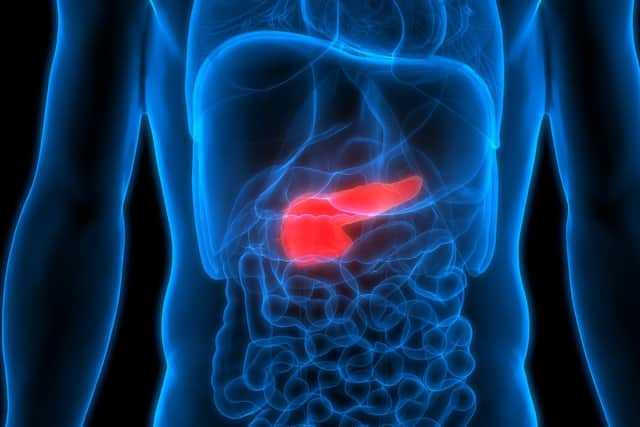
“A recent Public Health Agency-funded audit demonstrated an increase of 86 per cent in pancreatic cancer cases in Northern Ireland between 2001 and 2020. Unfortunately, pancreatic cancer may not cause symptoms at an early stage, so patients tend to more often present late with incurable disease. Presenting symptoms include upper abdominal or back pain, weight loss and jaundice, and should prompt patients to consult urgently with their GP. They will subsequently be referred on a red flag pathway to their local hospital gastroenterology team for consideration of further investigations.”
Symptoms can include: Upset stomach, feeling full even though you have eaten a smaller amount than normal; feeling bloated; indigestion or heart burn that isn’t going away even if you’ve taken medicine.
If you have any of these symptoms, speak to your GP.