
Brutal IRA assassination of Ambassador to Ireland, Christopher Ewart-Biggs, remembered 50 years on


The brutal assassination of the UK’s ambassador to Ireland is being remembered, 50 years on from the IRA atrocity.
Christopher Ewart-Biggs had been in the post for less than two weeks when republican paramilitaries struck, detonating a concealed 200lb roadside bomb as his car left his residence in a Dublin suburb.
A 26-year-old civil servant who was in the vehicle, Judith Cooke, was also killed; the ambassador’s driver, Brian O'Driscoll, and third passenger Brian Cubbon, a high-ranking civil servant at the Northern Ireland Office, were injured in the blast.
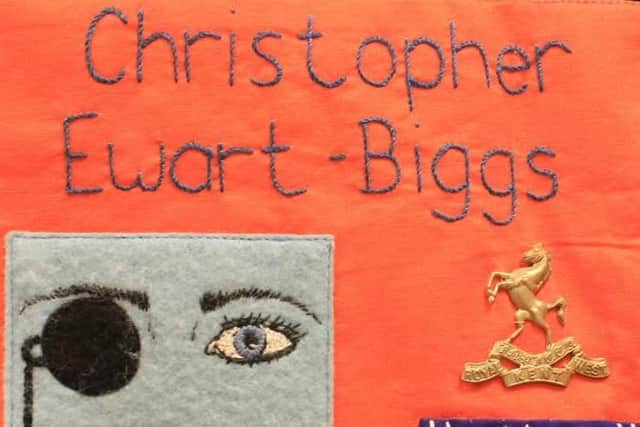
The 54-year-old ambassador – a Second World War veteran who lost an eye at El Alamein, adopting a distinctive smoked monocle as a result – left a widowed wife and three children; one daughter, Kate, was less than 10 years old when her father was taken from her.
His murder was condemned by British and Irish leaders alike, Prime Minister James Callaghan stating the killers were a “common enemy whom we must destroy or be destroyed by” while Taoiseach Liam Cosgrave descried the bombing as an “atrocity [which] fills all decent Irish people with a sense of shame”.
Despite a huge manhunt with a complete search of the area where the explosion occurred, as well as house-to-house calls and roadblocks plus the arrests of 13 suspected IRA members, no one has ever been brought to justice for the murder.
Two months after the killing, the IRA claimed responsibility while alleging they had assassinated the ambassador as he’d been sent to Dublin “to co-ordinate British intelligence activities”. British authorities rubbished the idea.
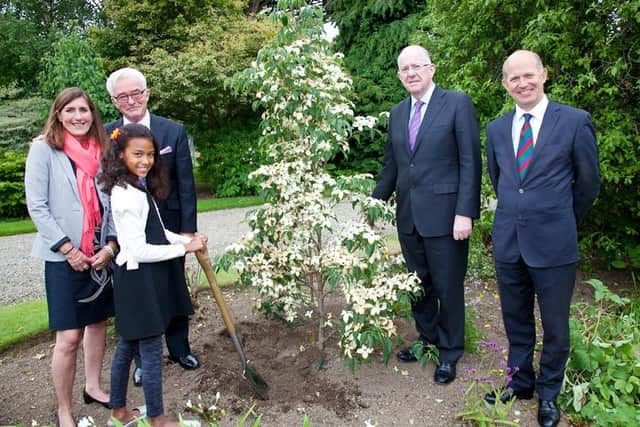
The events of July 21, 1976, continue to reverberate, with the British Embassy in Ireland holding a memorial tree-planting ceremony in 2016 to mark the 40th anniversary of the atrocity.
After his death, his grieving family established a memorial prize in his name, which is given to work promoting peace and reconciliation. His widow, Jane, joined a women-led peace movement in Northern Ireland and developed an interest in politics, later becoming a life peer in the House of Lords.
At the 2016 memorial, British ambassador H.E. Dominick Chilcott said the family’s work to promote peace after the assassination amounts to “a great tribute to their humanity and tolerance that they created something so positive of this personal tragedy”.
Judith Cooke was regarded as promising talent within the Civil Service. Merlyn Rees, the era’s Northern Ireland Secretary, described her as young, exceptionally bright and “someone we had all marked out for higher things”.
Kenny Donaldson, director of victims group SEFF, reinforced that even 50 years after the fact, it’s vital to remember both lives taken in the IRA blast.
“It is so very important that the former ambassador and Ms Cooke are remembered, and that the gravity of that attack is understood,” he said. “But for the grace of the Ambassador’s family and others, this horrific double murder could have had a devastating impact upon British-Irish relations at an already volatile political period.
"Christopher Ewart-Biggs and Judith Cooke are remembered on SEFF’s memorial quilt ‘Terrorism Knows No Borders’. Our thoughts and prayers remain with the families, today and every day.”