
Manchester marks 30 years since devastating IRA blast: Decades on, survivors and NI victims' group at service for attack that rocked city with UK's largest bomb since Second World War
Manchester has solemnly marked 30 years since a devastating IRA blast ripped through the heart of the city.
For people of the city, June 15, 1996 seemed like an optimistic time – summer was around the corner, and to the excitement of footy fans the Euro 96 tournament had just got under way with Manchester’s Old Trafford one of the venues.
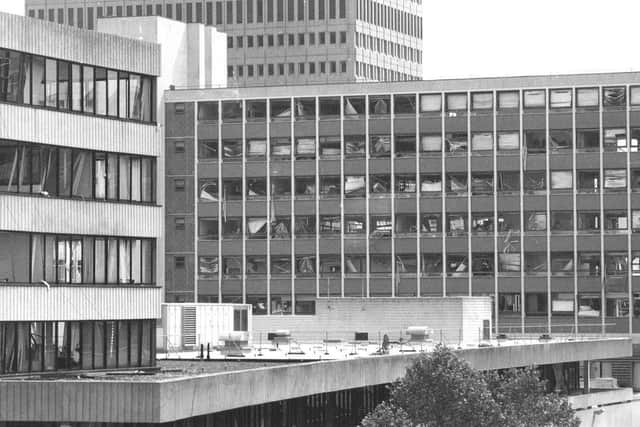

Shortly before 10am, republican paramilitaries phoned in a warning; they’d planted a bomb in a lorry close to the Arndale Centre in the city’s main shopping district. Only this wasn’t just any bomb.
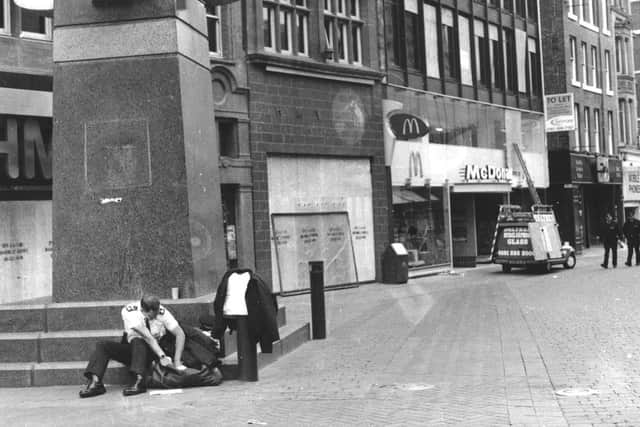
The lorry was packed with 3,300 pounds of explosives; detonating a little more than an hour and a quarter after the warning, it was the largest bomb to go off in Great Britain since the Second World War, injuring more than 200 people and causing an estimated £700m in damage, shattering windows up to half a mile away.

There were, however, no fatalities, which is attributed to a rapid emergency response that evacuated at least 75,000 people from the area.
The city centre had to be heavily rebuilt in the wake of the blast, forever changing the look of the heart of Manchester.
Yesterday, survivors of the attack were joined by Northern Irish victims’ group SEFF at a special evening service in a city cathedral a short distance from the Corporation Street site of the blast.
Sharing reflections, poems and prayers, they also welcomed survivors of the IRA’s 1992 twin bomb attack on the city and 2017’s horrifying suicide bomb by an Islamic extremists at an Ariana Grande concert in Manchester Arena, which killed 22 and injured more than 1,000.
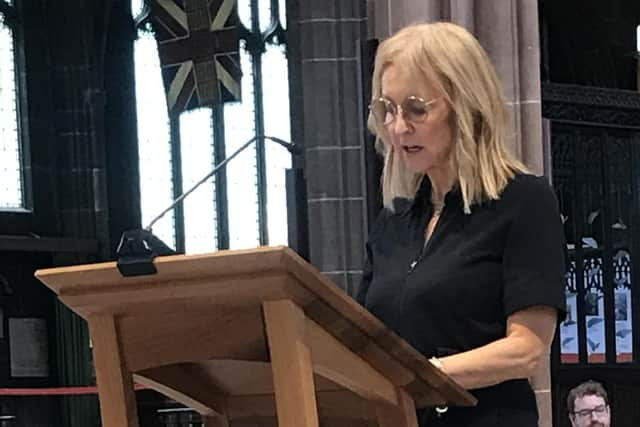
Said Kenny Donaldson, director of SEFF: “Manchester has suffered from the ills of terrorism on many occasions, but the city and its people have stayed strong, resilient and unprepared to be captives to the actions of those peddling ideologies which seek to bring about division, heartache and pain.
“It is important that we continue to remember events such as the 1996 bombing, Society needs to continually be reminded of the impacts of terrorism - it should not ever become complacent.
“I was honoured to share closing remarks speaking of the ongoing challenges presented by extremist ideologies.
“The service was extremely important, and the Cathedral and faith community stood with innocent victims and survivors of terrorism showing compassion, while also providing a message of hope and renewal. That was so very important for those gathered.”
Among those present, Mr Donaldson added, were many police and emergency service personnel, including Assistant Chief Constable Chris Sykes.
In a statement released by Greater Manchester Police today, Mr Sykes said it is “incredible to think” that it is now 30 years since “one of the force’s biggest policing operations, and one of the largest evacuations in British history”.
“It was supposed to be a weekend of jubilation for the country and those visiting Old Trafford the following day, but that Saturday took an unexpected turn that would change the look and feel of Greater Manchester forever,” he said.
“I was a police constable at the time, albeit I was not involved, the bravery and professionalism our officers showed that day, in a testing environment, prevented potential mass casualties.”