
Mournes in crisis: Beloved mountains can't take more hillwalkers and are 'flashing red status' already, say National Trust during clash over £50m cable car project's collapse
The Mourne Mountains are “at capacity” and couldn’t handle many more hill-walkers showing up, the National Trust has said.
The higher Mournes are in a “flashing red status” right now, National Trust Northern Ireland director Heather McLachlan stated, and “cannot take any more impact” in terms of additional people hitting their paths and trails.
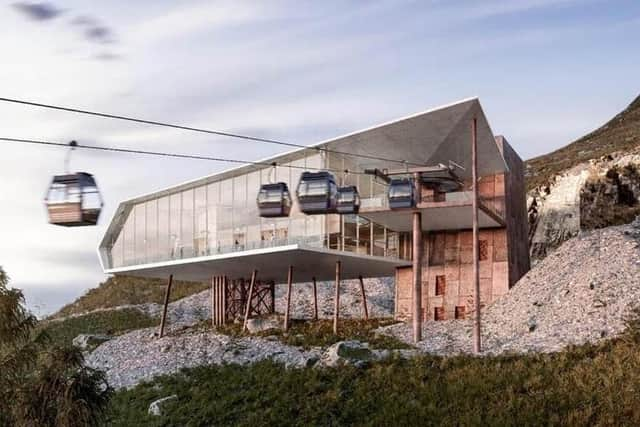

The comments came during a clash between Trust officials and politicians on Newry, Mourne and Down Council over the collapse of a £50m cable car system the council wanted to build up the range’s highest peak, Slieve Donard.
Councillors repeatedly suggested officials jumped the gun by blocking the scheme before environmental test reports were finished, while the Trust complained the council had kept them in the dark about what the project would actually do.
The controversial Mournes Gateway Project was to build a ‘gondola experience’ travelling 230 metres up Slieve Donard, finishing in Thomas Quarry where there were plans to build a visitors centre.
It proved unpopular with thousands of locals who signed a petition calling for it to be scrapped, and was scuppered when the National Trust refused to give the council a lease to build on the quarry.
Officials from the Trust this week went head to head with politicians over the collapse of the £50m project, each side pointing the finger at the other.
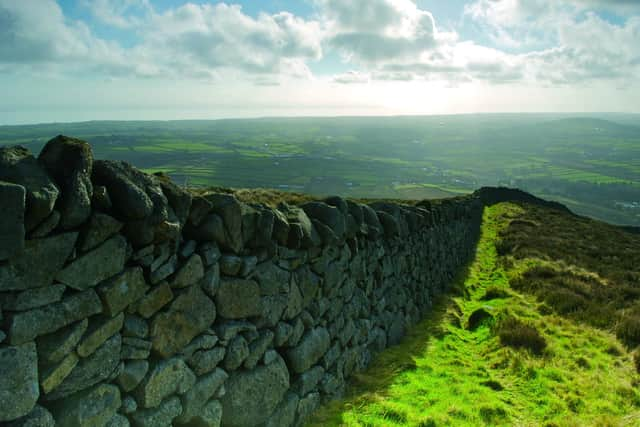
The Trust said hill-walking paths in the area are already at capacity and can’t cope with large amounts of new people, which they feared would be the result of building a mountain cable car.
Officials complained the council hadn’t answered questions on whether the gondola would be an enclosed system that was essentially for giving people an aerial view of the scenery, or would instead be a transport method depositing people onto Slieve Donard.
Although the council this week stated it was meant to bring the public to the visitors centre plus some pre-booked guided tours, the Trust argued people would inevitably walk off to explore once they’re up the mountain.
During a special meeting between politicians and the Trust, Ms McLachlan said studies of the Mournes show “the infrastructure is just not there” to cope with an influx of hill-walkers.
And as the council hadn’t come up with full details of what the project would do, she added, officials weren’t able to estimate how many more people the gondola would bring.
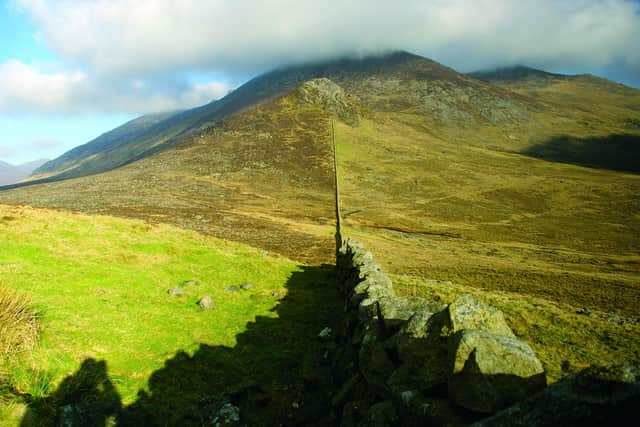
Another official said Slieve Donard is already showing “risk” from the number of people using it, “never mind the additional footfall to come” from building the cable car.
Several politicians pointed out they’d commissioned a environmental impact report on the gondola, which was still being carried out when the Trust blocked the scheme.
But officials were adamant they had all the information they needed, as they could take advantage of environmental and ecological reports into the state of the mountains carried out over the last four years.
After the Trust’s block, the council eyed a site on the opposite side of the Mournes, but that was stopped by a Stormont department on environmental grounds.
The cable car was going to be paid for using £30m of funding from the Belfast City Region Deal, plus £14m raised by the council and the rest from other sources. The Region Deal funding is at risk if it doesn’t go ahead.