
Music and movie magazine giant remembered in memorial service - former editor of Smash Hits and Empire, Barry McIlhenery, was 'natural leader and joyously rock 'n' roll'
One of the superstars of music and movie magazines, Belfast’s own Barry McIlheney, has been remembered with a memorial service in his home town.
Mr McIlheney, who died at the end of May aged 67, became editor of Smash Hits in 1986, doubling its sales during his time in charge. He moved on to edit film magazine Empire on its launch and then the UK edition of Premiere, before moving into a series of executive and consultancy roles at the top of the industry.
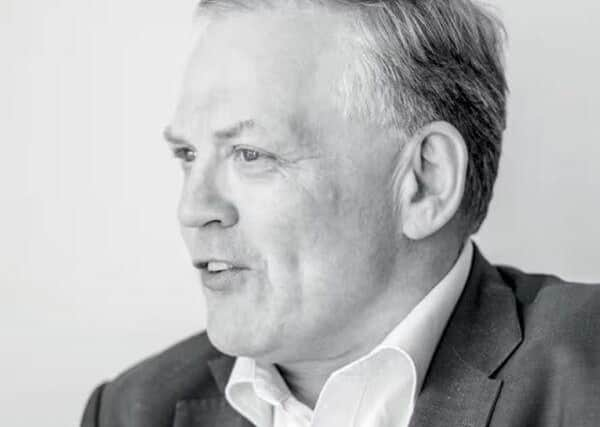

A working class boy from north Belfast, he attended Cliftonville Primary School, Belfast Royal Academy and Trinity College Dublin, but first made an impact on as the singer with Shock Treatment, a Northern Irish punk band whose popularity on the live circuit saw him rubbing shoulders with the likes of U2 and The Skids.
After stints writing for local newspapers and Melody Maker in the early 1980s, including winning an award for his coverage of Live Aid, he moved to Smash Hits and presided over its golden years as it became the pop journal of record for a generation of music-crazy kids.
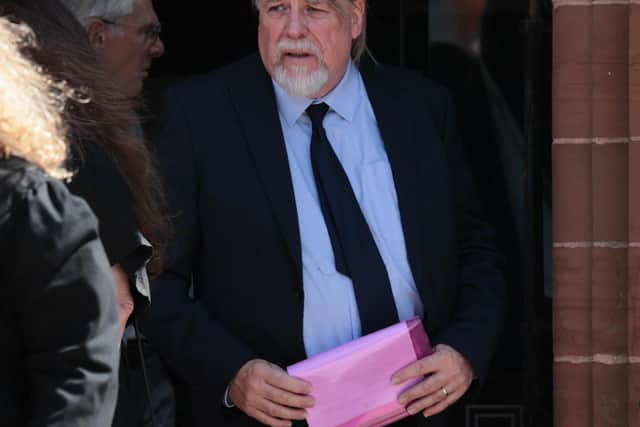
Braving the wild winds of Storm Floris to attend yesterday’s memorial service in St Mark’s Church in Dundela, Belfast, friends and family described him as a natural leader who was also “joyously rock ‘n’ roll and punk rock”.
Remembering his old friend and broadcasting colleague, DJ Mike Edgar said Mr McIlheney was an integral part of BBC Radio Ulster’s show ‘The Bottom Line’, which mixed the hottest new sounds with interviews and “talking a lot of nonsense about youth culture, entertainment and showbiz”.
“We felt we were tailor-made for the role,” he said. “Barry was a massive part of the programme from day one – and even when he went on to greater things in the world of publishing, he still kindly contributed to the programme week after week, year after year.
“Barry occasionally hosted the programme on his own, but he became most loved for his weekly reports from London where he would go into an unattended studio in BBC Broadcasting House and join us every Wednesday night with all the latest gossip and scoops from the big smoke.”
One moment that stuck out in his mind was when Mr McIlheney called in live from a phone box on Carnaby Street, and spotted synth pop stars Depeche Mode strolling past.
“As quick as anything Baz kicks the door of the phone box open and shouts ‘hey lads, come and talk to the good people of Northern Ireland on the radio’ – which, unbelievably, they dutifully did,” he recalled.
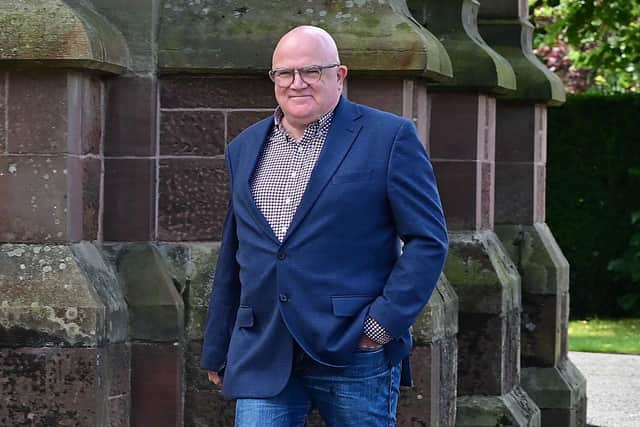
The Archbishop of Armagh and Primate of All Ireland, John McDowell, was a childhood friend of Mr McIlheney, and said he neither romanticised nor demonised his north Belfast past.
“We were working-class boys, a station in life which carried with it virtually no disadvantages,” he said. “The system, particularly the educational system, worked for us, as did the much richer working class culture then compared to now. Barry never forgot where he came from, but he didn’t talk nonsense about it either.”