
Unearthing an American eye on the Belfast blitz: Documentary details life during wartime from letters of Helen Ramsey Turtle
A unique glimpse of life in wartime Northern Ireland hits the nation’s screens, with a look at the life and letters of an American woman living in the province in the 1930s and 40s.
Originally from Denver, Helen Ramsey Turtle married into a well-to-do Ulster family and was raising her young children when Europe was plunged into war.
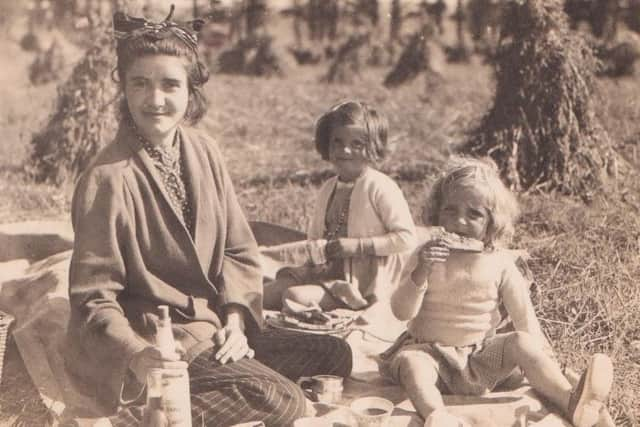

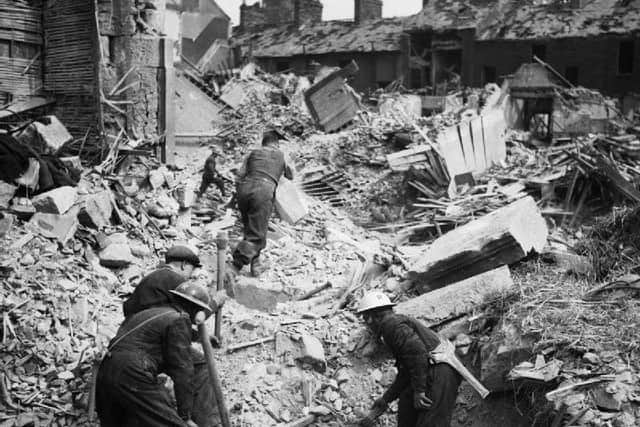
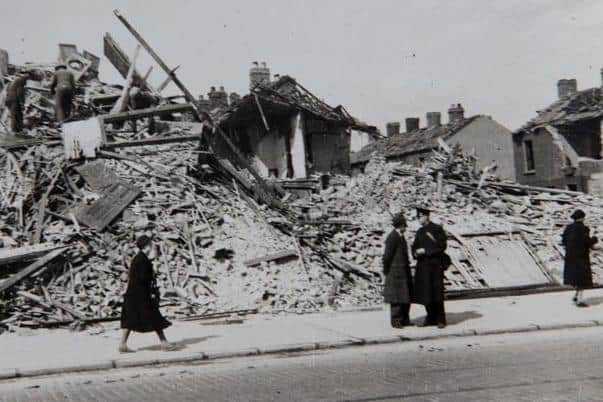
Always an enthusiastic letter-writer, her correspondence with family back in the US continued through the Second World War, providing a vivid and invaluable lens on the conflict as it reached the shores of the United Kingdom, from the Belfast blitz to VE Day.
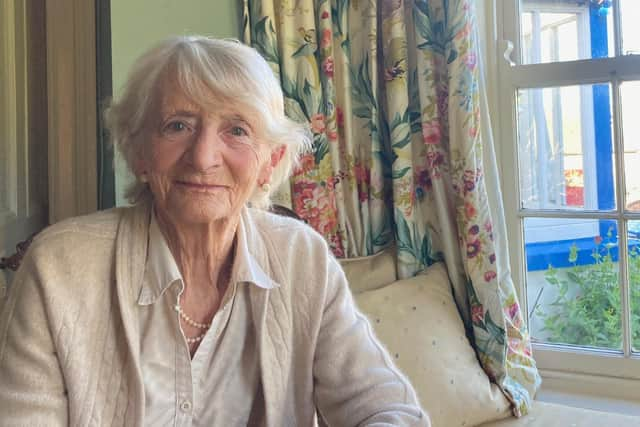
Unearthing those letters, her daughter Julie Turtle Mackie recently published a book detailing Helen’s life during wartime, and the correspondence now forms the basis of a BBC documentary broadcast.
The words also allowed Julie to get to know her mother better; Helen passed away from cancer in 1946, meaning the letters are a vital record of her as a young woman, of life as a mother before and during the war.
Helen married stockbroker Lancelot Turtle, a member of the ‘linenocracy’ – wealthy families who made their fortune in the province’s booming linen manufacturing industry.
When war hit, she doggedly stuck out life in Northern Ireland, despite having the chance to return home as many US nationals across Europe did.
Julie said: “She said ‘No, no; I’ve married an Ulsterman, I’ve got children here, I won’t go back to the States’. In the war years she was certainly homesick, but this is why the letters are invaluable; she’s chatting to her family about our lives, there’s so much information.
“Two of her American friends did go back with their young families; one stayed for the duration of the war, but the other thought she’d made a mistake and back she came to Northern Ireland with her children.”
Julie told the News Letter much of the joy of her mother’s correspondence stems from her attention to detail. “She was able to observe life in Belfast through the prism of an American eye.
“I got to learn a lot of her thoughts about America when they were isolationist, and then when Roosevelt decided they would join the Allies.”
Doing her bit for the war effort, Helen volunteered with the American Red Cross and provided “a home from home” for US troops as they arrived in Northern Ireland.
“She was able to advise them about living here, the new customs and food they should expect,” said Julie. “That part of her life was interesting.”
A small child during the war, Julie has only fleeting memories of the conflict. “My mother and father listened to the radio the whole time, so as if by osmosis I picked up there was a very bad man called Hitler,” she said.
“But because we were so safe living in the country, we really weren’t aware of what was going on – except my elder sister, she would have been about five or six; she remembers my father picking her up and taking her out onto the lawn to listen to the German bombers coming over on their way to bomb Belfast. She has very vivid memories of that.”
l ’Letters From The Blitz’ is broadcast tonight at 10.40 on BBC1 Northern Ireland.