
VJ Day: Belfast war hero Joe Beattie, killed aged 21 in the Pacific just weeks before the end of fighting, remembered as country commemorates 80 years since end of World War Two
As the nation commemorates 80 years since the final end of the Second World War, VJ Day holds an especially poignant place in the life of one man.
Gary Beattie’s thoughts turn to his uncle Joe, a Royal Navy man from Belfast killed in the Pacific Theatre with just a few short weeks to go before the war was won and the nations were at peace.
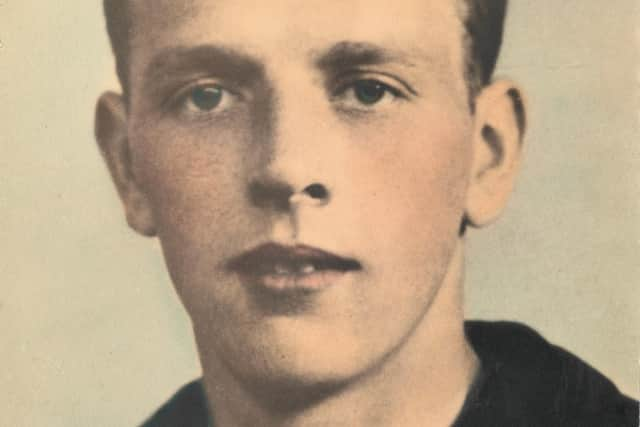

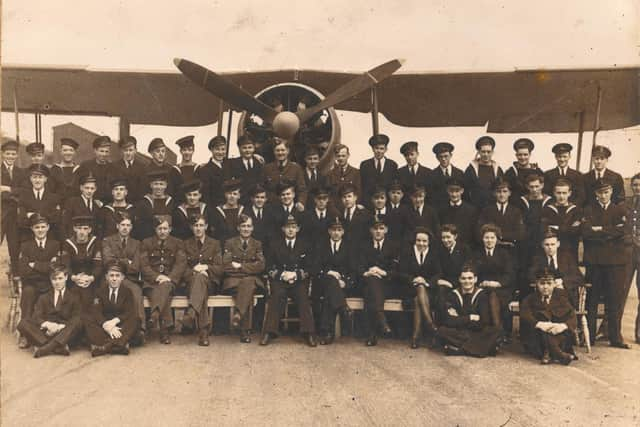
A crewman on the HMS Indefatigable, a massive new aircraft carrier the Navy first sent to the Pacific in 1944, Joe Beattie was a Sandy Row boy who signed up to do his bit – and, like too many others, never returned home.
Beloved by his shipmates, Joe died aged just 21 in April 1945. By that point, the Nazi war machine was on the verge of collapse while the Japanese were tottering, Allied forces putting them under intense pressure on multiple fronts.
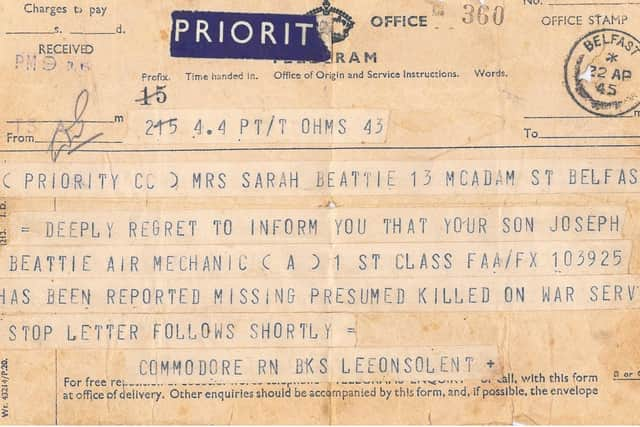
Speaking ahead of an exhibit remembering his uncle in Lisburn for VJ Day, Gary said that Joe’s death punched a hole in that generation of his family. One of eight children, none of whom now survive, both his service and his absence were always a big part of family life.
“He was my dad’s older brother, and my dad always had a photo of him,” he told the News Letter. “My dad inherited my uncle’s belongings – medals, letters home, photographs of him in service – and he always cherished them. He kept them safe and they’re with me now.”
Battling to save freedom on the other side of the world from his Belfast home, Joe Beattie was an Air Mechanic 1st Class, risking his neck amid Japanese bomb attacks to keep pilots in the air as the Allies pushed back the Japanese war machine.
The Pacific Theatre, which saw battles on a number of nations and a host of small islands, was one in which the ability to transport large numbers of aircraft by ship became vital for the first time in the history of warfare.
But large-scale aircraft carriers were still in their relative infancy, lacking the technology and safety features that would be added in decades to come. As Gary explained, that proved lethal for his uncle.
“A plane that was coming back from a mission crashed,” he said. “My uncle was on deck with the Chief Petty Officer and they were both forced to jump overboard.
“I believe the CPO was rescued, but my Uncle Joe was lost. He was last seen swimming towards the boat, but they never found his body.
“That was what was most difficult for my grandmother. She could never accept it; because there was no body, she kept thinking there was always a chance he was still out there, always a chance he could walk in some day.
“At the time, the HMS Indefatigable was in the South China Sea, 400 miles from Okinawa. That far out, he’d have had no chance.”
Gary adds that rather than mail the possessions of someone who had been declared missing or killed in action back home, a tradition had grown for sailors in that part of the world to auction the belongings among the crew to raise money for the deceased’s family.
He says: “This, I think, shows the regard my uncle was held in. The auction raised nearly £1,000 for his parents; that was a heck of a lot of money in those days, you could have bought a house in Belfast for that much.”
Gary also served in the forces and planned to wear Joe’s medals to this year’s VJ Day ceremonies, placing them on the opposite side of his chest to show proper respect for his war hero uncle.
“My old CO is going to be there, it was his idea, but I think it’s appropriate,” he said.
“My dad’s gone now, all eight of them are; it’s up to the rest of us to remember the lives people sacrificed for our freedom. That’s why I think VJ Day is so important – we need to carry the names of the fallen forward, to remember their heroism and commemorate their lives, even if the people who directly remember them may, unfortunately, no longer be here.”