
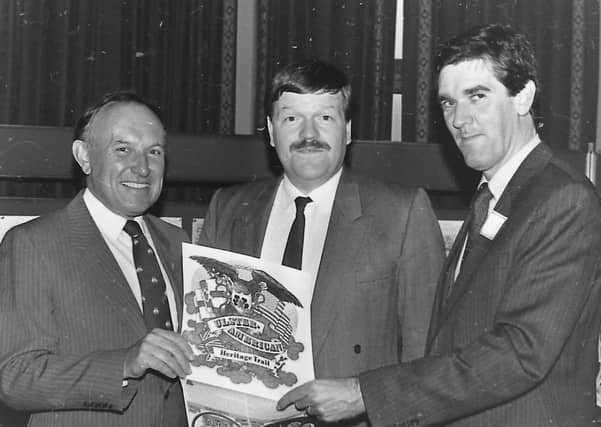

During this week in 1840 the News Letter published a fascinating letter penned by a member ofthe Belfast Anti-Slavery Committee.
It read: “Sir – I am happy to inform the inhabitants of Belfast, through the medium of your paper, that the Secretaries of the Belfast Anti-Slavery Society have received intimation from the parent Society, in London, that this town will be favoured with a visit, the latter end of this month, by three distinguished advocates of the anti-slavery cause, namely J G Birney, H B Stanton, and John Scoble Esqrs.
“The first named gentleman is a native of America, and justly celebrated for having, at a great pecuniary sacrifice, liberated the slaves on his estate in Kentucky, and at a subsequent period, at an expense of four thousand pounds, gave freedom to a number of these unfortunate beings who were located on a property which became his by inheritance at the death of his father. Mr Birney held a high judicial situation in the United States, and was urged by many of his fellow citizens to stand for the president’s chair at the approaching election, but he declined, well knowing that no person espousing anti-slavery principles would have at present any chance of attaining that honour.
“Mr Stanton is also an American, and Secretary of the American Anti-Slavery Society, a gentleman of great eloquence, and was, I believe, one of the noble band of forty students who left Lane Seminary, rather than submit to the mandate of the professors prohibiting the discussion of anti-slavery topics, and civil rights . . . These virtuous young men repaired to the forest, and after enduring many hardships and privations, they, with some pecuniary aid from other anti-slavery friends, erected a college, called the Oberlin Institute, now in a flourishing state, where the rights of humanity are fully recognised, and where students of every colour obtain a liberal enlightenment, and truly Christian education, based on the immutable principles of the doctrines of our Saviour, who preached deliverance to the captive, and bade the oppressed go free.
“Mr Scoble is an English gentleman long celebrated for his powerful advocacy of the rights of suffering humanity.
“He visited the British Colonies prior to and after Emancipation and, by exposing the cruelties which he witnesses inflicted under the apprenticeship system, was mainly instrumental in the final abolition of slavery in the British dominions in the West.”
1.
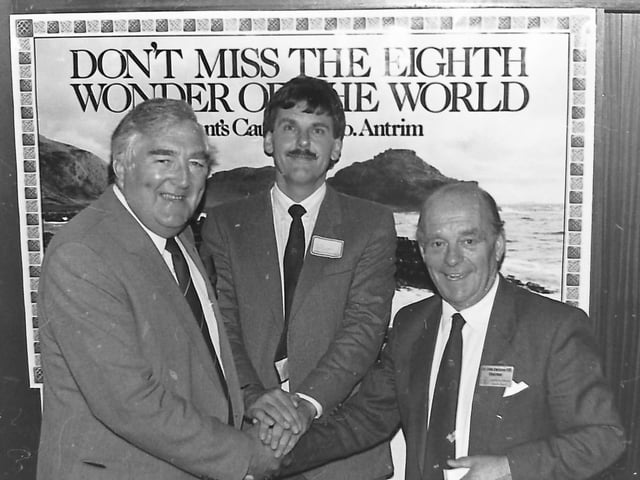
Statistics released in October 1987 revealed encouraging increases in the number of visitors to Northern Ireland, and experts are confident that the province would soon be back on the international holiday map. Figures from the Northern Ireland Tourist Board research department predicted that over 870,000 people would visit the province in 1987, which was an increase of 50,000 on the previous 12 months. Pictured are Mr Don Swinward of ABTA, Mr Jim Paul, the Northern Ireland Tourist Board's London agent, and Sir John Simpson, chairman of NITB, who had united to promote Northern Ireland's holidays. Picture: News Letter archives
2.
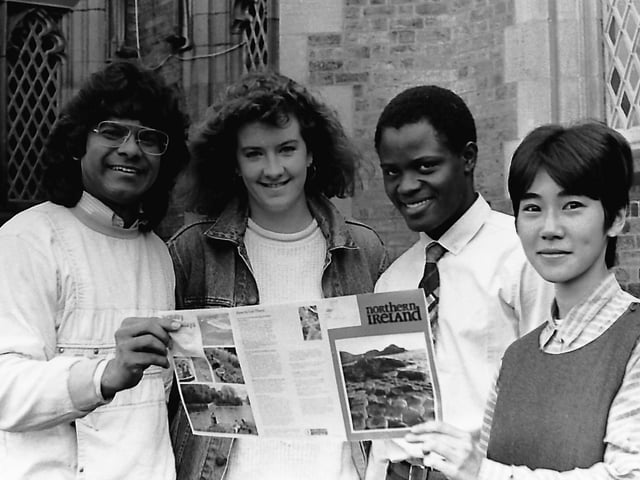
In October 1987 Queen's rolled out the red carpet for that year's intake of 200 foreign students. The overseas students were guests of honour at a special two day welcoming programme, hosted by the university, aimed at giving them the chance to familiarise themselves with their new academic surroundings. Pictured induction programme and reception are, from left, Larry Hilarian, Singapore, Carolyn Yelvington, USA, James Yhamaibhi, Nigeria, and Sugio Harada, Japan. Picture: News Letter archives
3.
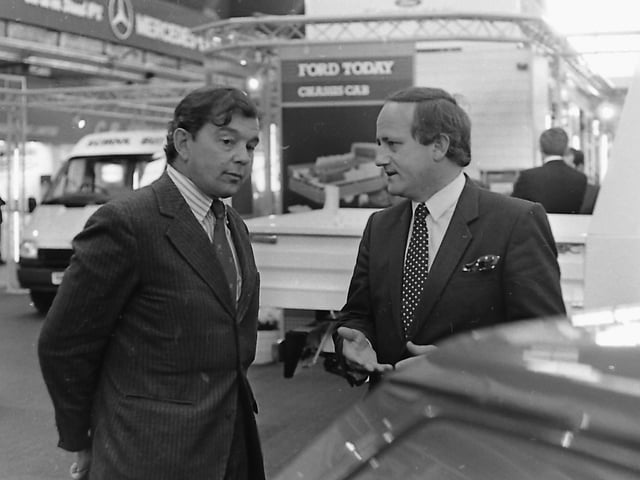
Official visitor: Minister of State Lord Lyell, seen here left, chatting to Mr David Butcher, regional manager of Ford, after opening Northern Ireland's first Commercial Motor Show which was held at the King's Hall in October 1987. Picture: News Letter archives
4.
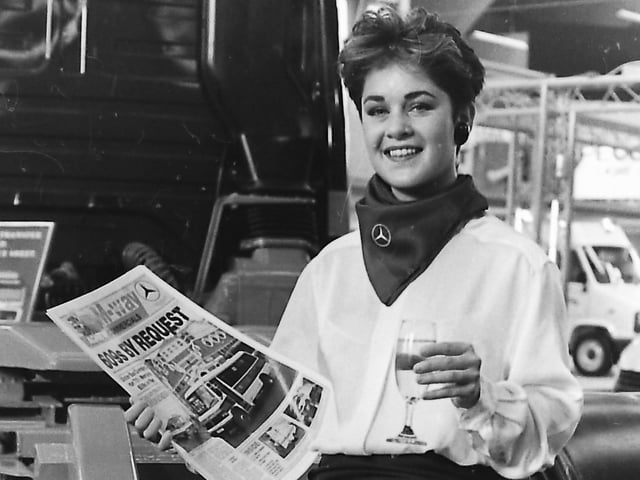
Pictured at the Northern Ireland's first Commercial Motor Show which was held at the King's Hall in Belfast in October 1987 is Caroline Lennon at the Agnew Commercials stand. Picture: News Letter archives