
Winter wear and tear on electrics: NICEIC warns cold weather and rising energy use could strain home electrical systems
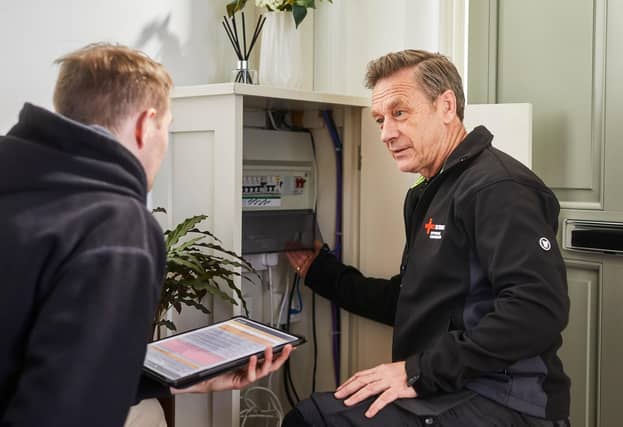

With the UK experiencing historically bad weather so far in 2026, with areas such as Northern Ireland and southern England enduring one of the wettest Januarys since records began in 1836, there is greater pressure on electrical installations and the potential for increased wear and tear. NICEIC, the UK’s leading certification body for the electrical industry, is urging households to consider the impact seasonal conditions can have and to prioritise safety.
Colder temperatures naturally lead to greater electricity demand with households relying more heavily on electric heaters, heat pumps, and electric boilers, as well as extra load from electric blankets, space heaters, heated floors. There is also the risk from moisture and condensation as cold air meets warmer indoor air, especially in poorly insulated areas such as lofts, garages, or outdoor meter boxes. This can lead to corrosion of components, accelerated wear and increased failure rates. Even if condensation doesn’t cause an immediate failure, it will accelerate long‑term degradation of components and wiring.
Paul Collins, Technical Director at NICEIC, commented: “Extreme weather places additional stress on electrical systems in ways that we usually don’t see. Moisture, cold, and increased load can all combine to create conditions where faults become more likely. That’s why it’s vital that people stay alert to early warning signs such as tripping, flickering lights or damaged wiring and cables.”
“Regular checks, particularly in areas prone to damp or temperature fluctuations are important. If you do have concerns about damage to your electrical installation, contact an NICEIC-registered electrician and arrange an EICR. An EICR is like a MOT for the home, providing a comprehensive health check of a property’s electrical installation. It will identify signs of age, wear and tear, and damage, ensuring your electrics are safe to use and that you’re not at risk of fires or electric shocks.”
As winter weather continues to put additional strain on home electrical systems, NICEIC is reminding households that taking proactive steps now can prevent costly or dangerous issues later. Simple vigilance, combined with professional support when needed, can significantly reduce risks. By ensuring installations are regularly checked and well maintained, homeowners can feel confident their electrics are safe, resilient, and ready to cope with the demands of colder, wetter conditions.
If you do suspect an electrical fault or issue, do not attempt to fix it yourself. DIY electrics can pose serious safety hazards and is never worth the risk. To find a registered electrician near you, visit NICEIC’s Find a Trusted Tradesperson tool at: niceic.com/find-a-tradesperson.