
Cost of living crisis: Northern Ireland customers hit by more gas and electricity price hikes; SSE Airtricity announces rises of 28.4% and 35.5%; when do rises take effect?
SSE Airtricity has announced substantial price increases for gas and electricity customers as the cost of living crisis deepens for many already struggling financially.
The announcement on Friday brings an increase of 28.4% for gas customers, effective from Saturday, October 1, 2022, which will impact around 188,000 domestic gas customers throughout the Greater Belfast and West gas networks, and about 4,600 commercial customers,” according to the Consumer Council.
The price hikes mean the annual gas bill of a typical household with a credit meter will rise by around £351 per year.
Customers with a prepayment gas meter (PAYG) can expect see their typical costs increase by around £348 per year, the Consumer Council estimates.
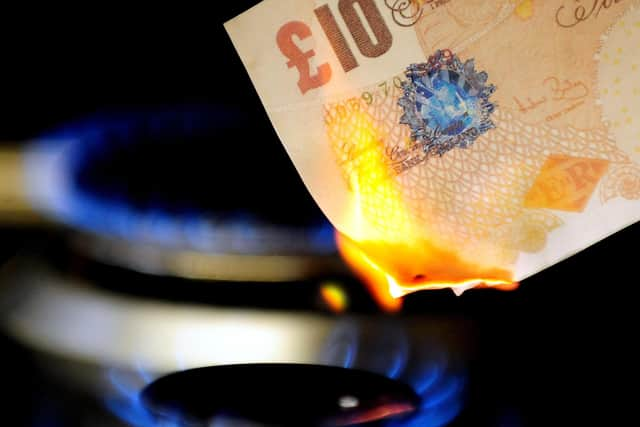

The 35.5% rise in electricity prices, effective from Saturday, October 1, 2022, will see electricity bills for an average household increase to around £1,356 per year.
Peter McClenaghan, Director of Infrastructure and Sustainability at the Consumer Council said: “We are facing into a very serious crisis this winter and I am angry and fearful on behalf of Northern Ireland consumers.
“Already many of our households are at the brink. This announcement means consumers in Belfast face combined annual gas and electricity bills in excess of £2,500 a year, with further price increases to come.
“This is a global problem, the price of the gas we import is outside the control of local companies, but consumers require a lot more local support than has been offered to date.
“The £400 Energy Support Scheme promised to all households in NI by the Chancellor will be a help, but it will not be nearly enough as a typical gas consuming household will be paying out over £1,000 more for energy this winter than last.
“We encourage anyone who is struggling to pay their energy bills or to top-up their meter, to contact their supplier directly for help and information. We also encourage consumers to think about ways they can reduce their energy costs through energy efficiency and, if you can, put some extra money aside for energy costs this winter.”
Mr McClenaghan added: “In the short term, the Consumer Council has been working in collaboration with Government departments, The Utility Regulator, energy suppliers, and third sector organisations, who have been working hard to try to put in place immediate support and advice to help those in energy crisis this winter and beyond.
“In the longer term, this situation shows the importance of the Department for the Economy’s Energy Strategy Action Plan, that aims to tackle affordability and move us away from our dependence on fossil fuels.”
Consumers can also get in touch with the Consumer Council for free independent advice by calling Freephone 0800 121 6022, emailing [email protected] or visiting www.consumercouncil.org.uk.
Commenting on the announcement, John French, Chief Executive of the Utility Regulator said:
“In August 2022, the Utility Regulator began a review of SSE Airtricity Gas Supply’s regulated gas tariff.
“We have now completed our analysis of all of their costs and agree that a 28.3% increase is unfortunately required from 1 October to reflect the underlying wholesale gas market.
“This process has been undertaken in consultation with both the Department for the Economy and the Consumer Council for Northern Ireland.
“This will mean that the annual average SSE Airtricity domestic gas bill will rise by £351 to £1,594 per year.
“Earlier today Ofgem announced an 80% increase in their price cap. This will mean that from the 1 October 2022, the combined electricity and gas bill for the average household in Great Britain would be £3,549 a year.”
Mr French said the combined regulated electricity and gas bill in Greater Belfast and the West will be £2,393 a year from 1 October 2022.
He added: “I fully recognise that this differential between Great Britain and Northern Ireland is cold-comfort to those who are struggling here. Unfortunately, the wholesale gas market continues to surge, and is producing prices sixteen times higher than normal historic rates.
“We will continue to do everything in our control, to support consumers at this very difficult time. We continue to work with HM Treasury, UK Government, and Northern Ireland Government to ensure the £400 energy bill support scheme is paid out as soon as possible.
“Next week, I am convening a roundtable of government departments, energy suppliers and the Consumer Council for Northern Ireland to look urgently at other practical steps that can be taken to support consumers this winter.
“As a regulator we are using everything in our regulatory toolbox to support consumers. I continue to remind energy suppliers of the requirement that they adopt a sympathetic approach to customers’ ability to pay, and of their obligations to avoid customer disconnections and consider other approaches to protecting people in debt.”
Mr French said he has “heard the concerns from consumers” and has written to suppliers regarding their obligations to customers around direct debit billing arrangements.
He went on to say: “Consumers who are worried about the impact of these higher prices should always contact their electricity or gas supplier in the first instance, to discuss the options available to them.
“In addition, there are also a number of agencies who can provide free and independent advice to households, including Advice NI, Christians Against Poverty, and Money and Pensions Service.”