
Finance Expert Warns of 6 Common Investing Tax Mistakes Costing Beginners Thousands
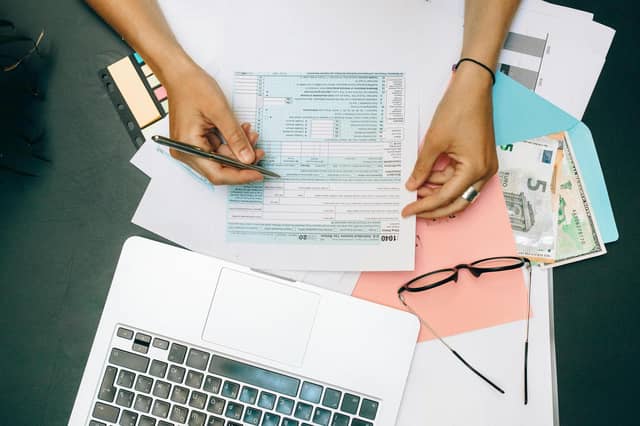

The end of the tax year is fast approaching on April 5th, and HMRC have sent out a tweet warning investors that they could be liable for capital gains tax. As some investors often don’t realise that they’ve taken out money that is actually taxable. A common example is selling shares then reinvesting that money immediately. The money raised from selling those shares is still liable to Capital Gains Tax.
Beginner investors are often caught out by this, with them submitting incorrect tax reports, or in some cases not paying any tax at all. This often leads to financial penalties, which, if not taken seriously, could result in a bill into the thousands if you’re taken to court.
To avoid this, Michele Tieghi, Financial Expert and founder of psyfi money, has revealed six common beginner tax mistakes that investors should be aware of:
Missing the Capital Gains Allowance
“One of the simplest ways people end up paying too much tax is by not using their yearly tax-free allowance (£3,000 for individuals) before 6 April. Once the tax year resets, that allowance is gone for good, which can mean paying tax unnecessarily at 10% or 20% on profits that could have been tax-free.’’
‘’For example, if you were to pay tax on that original £3,000, basic rate payers would owe HMRC £300, whilst those in the higher rate bracket would owe £600. So taking advantage of tax-free allowances allows investors the chance to keep more of what they’ve earned.”
Poor Record-Keeping
“Poor records often lead directly to higher tax bills. When people don’t have exact dates and pound values, they’re forced to estimate or leave things out, which can result in HMRC charging more tax than expected. On top of that, mistakes caused by missing records can lead to penalties of up to 30% of the tax owed, plus interest, even when the error wasn’t intentional.’’
‘’This would be disastrous for any investor, as if a basic rate taxpayer earned £10,000 in the tax year, they would owe the taxman £700. But with a penalty, this could increase the amount owed to £910, not including interest.’’
‘’Poor record keeping can also make paying tax a very stressful experience. To make your life easier, log all investing-related transactions in a spreadsheet. This will save you from having to go and find old transactions at a later date.’’
Not reporting losses
“A lot of beginners ignore losses because they don’t see an immediate benefit, but that can be a costly mistake. If losses aren’t reported, they can’t be used to reduce future tax bills. Over time, that can mean paying thousands more in tax than necessary when investments recover or are sold at a profit.’’
‘’For example, if you were to make £10,000 in profit on a stock, but lose £4,000 on another, then your net gain would only be £6,000, leaving you with a tax bill of £300. However, if you never reported your losses, then you’d have had to pay HMRC £700.’’
Assuming Exchanges Handle Tax
“A common mistake is assuming exchanges will work out your tax for you. Most platforms don’t take everything into account, especially if you’ve used more than one exchange or moved stock around. Reviewing all your activity yourself helps make sure you’re claiming what you’re entitled to and not paying more tax than you need to.’’
‘’As a new investor, you should take time educating yourself on the tax rules around investing. Many assume paying tax is more complicated than it actually is, so becoming an expert on this matter early on will save you stress and potential financial penalties down the line.’’
Not Registering When Required
“Some investors don’t realise that they need to register for Self Assessment (before October 5th) at all, especially if they’ve never filed before. Missing that step can lead to an automatic £100 late-filing penalty, even if there’s little or no tax to pay, with additional penalties and interest added the longer it’s left unresolved.’’
‘’If you do receive a fine, then it’s crucial that you pay straight away. As £100 might sound harsh, but it can get even harsher if you’re taken to court. There have been examples where people have built up debts into the thousands because they were too stubborn to pay the original £100 penalty.’’
Missing Future Reporting Changes (CARF)
“From 2026, new international reporting rules will require trading platforms to share user and transaction data directly with HMRC. That means undeclared activity is far more likely to be spotted later on, increasing the risk of backdated tax bills, interest, and penalties for mistakes that could have been addressed much earlier.”
“This only increases the importance of investors becoming more tax savvy, ensuring that you do everything by the book, so that you don’t end up with any unexpected costs down the line”.
Closing comment:
“One of the biggest misconceptions we see is that investment tax only starts when money hits a bank account. In reality, many investors build up a tax bill quietly through everyday activity like selling some stocks and then buying others, without ever realising it. With a bit of awareness and a simple review before the end of the financial year, most of these issues can be spotted early and avoided.”
“What catches many new investors out is how quickly small mistakes can add up. Missed reporting, late filing, or simple errors can trigger £100 fines, interest charges, and penalties that grow over time, even when the original tax bill was relatively small.”
“Getting things right before the end of the financial year doesn’t just help avoid surprises, it gives investors a clearer, more confident starting point for the new tax year.”