
How effective is wool in the garden?
With an eye on sustainability, wool is increasingly being seen as a viable ingredient in compost, twine and matting.
Even old woolly jumpers can be cut up to make linings for hanging baskets, given the fact they can hold soil and retain water.
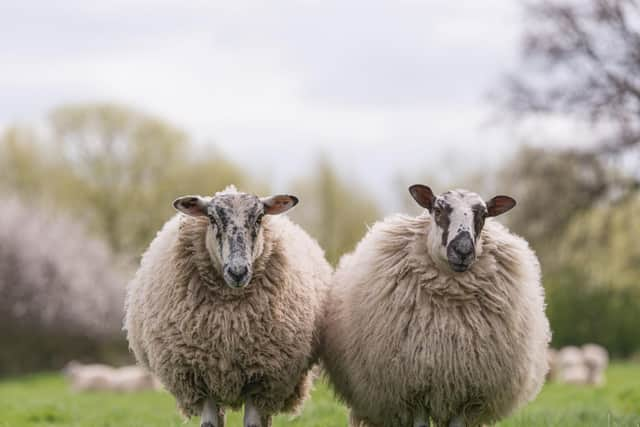

“Wool is cyclical, just like the gardening year, grows annually and has to be clipped. We grow wool well in the UK and we happen to be a nation of gardeners,” says Kim Stead, founder of twool (twool.co.uk), which makes twine using wool from its local Whiteface Dartmoor sheep, supporting British farming, with every manufacturing process carried out in Britain.
“Wool is sustainable, long lasting, strong and biodegradable. It also releases nitrogen as it biodegrades,” Stead adds.
Meanwhile, Dalefoot (dalefootcomposts.co.uk), a Lake District sheep farm, produces peat-free wool-based composts, blending Herdwick sheep’s wool into all its wool composts for improved water retention and slow-release nitrogen.
Potash-rich bracken forms the base for its composts. Comfrey is also added to the mix.
So, how can wool be used in the garden, and what else do you need to know?
Wool compost
Due to wool’s capacity to retain water, gardeners would not need to water their beds and containers as much if using wool-based compost, says Pauline Lewington, Dalefoot sales manager.
Environmental benefit
“Wool is a natural product and a very valuable product, but unfortunately is not valued by the industry at the moment in the UK,” says Lewington.
Caroline Williamson, Outer Walled Garden team leader at RHS Garden Bridgewater (rhs.org.uk), says: “I’m a big fan of using wool in the garden and think it’s an underused, sustainable resource sitting on our doorstep.
“During Covid, sheep fleeces were burnt by the thousand in the UK, because the carpet and wool factories shut down, yet it’s a great slow-release fertiliser and water retaining medium – perfect for using in peat-free growing media.
“We’ve bought from Dalefoot, which mixes sheep’s wool with bracken – so using two local ‘waste’ products to produce a lovely compost with nitrogen from the wool, potassium from the wool, and the bracken.”