
Legacy cases being used as weapon to attack veterans, say generals including former head of British Army, after court rules SAS right to use lethal force in 1991 Coagh IRA shooting


Troubles legacy cases are being used as a weapon to enact punishment on veterans, dragging them through “years of unnecessary distress” with the public footing the bill.
That’s according to the former head of the British Army and a retired leading officer who served in Northern Ireland, Iraq and Afghanistan, both of whom spoke out after courts upheld a verdict that the SAS were justified in killing three IRA men who were “part of a plan to murder” a member of the security forces in 1991.
A legal challenge had been mounted to that verdict, arguing soldiers were wrong to use lethal force on a stolen car in Coagh as the unarmed IRA driver should have been treated differently to his two armed accomplices. That idea was today rejected by a senior judge, who said it would be “absurd to disaggregate the driver from the other men”.
For General Sir Peter Wall, former Chief of the General Staff of the British Army, and General Sir Nick Parker, the outcome of the challenge to an already-held legacy inquest is proof court cases related to the Troubles are being used to attack veterans, no matter what the final result.
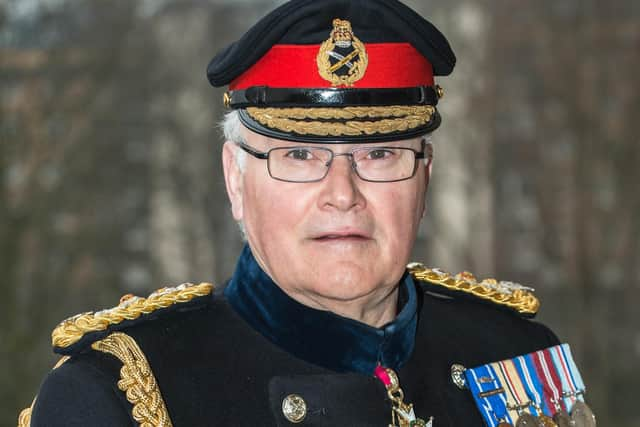
Lengthy and stressful legal proceedings have themselves become a cudgel with which to beat aging former soldiers, they argue, saying in a joint statement: “The process itself is being used as the punishment.
“Public money is being misused to fund meritless challenges, wasting precious judicial time and dragging veterans and their families through years of unnecessary distress.”
New government legislation on tackling legacy issues is currently making its way through Westminster. It has proved highly controversial, with veterans fearing it will result in them facing further probes and potentially put on trial, while protections the government claimed would apply to former members of the forces have been questioned.
The two generals argue the new laws need to make sure no cases will be brought without “genuinely new evidence which did not exist at the time” and that has been independently certified.

“Unless the new Troubles Bill sets a clear legal threshold and a definitive end point, this cycle will continue,” they stated. “If the government cannot deliver that, the bill should be dropped.”
For Shadow Secretary of State for Northern Ireland, MP Alex Burghart, the Coagh legal challenge and ruling upholding the initial inquest verdict “exemplifies why we need to protect veterans and draw a line under Troubles-era cases”.
He added: “It is time to stop endless legal challenges and build proper truth and reconciliation. The Labour government's dreadful Troubles Bill must be dropped immediately.”
Meanwhile a body that looks after veterans of elite units, the UK Special Forces Associations, stated the Coagh case “exposes how attempts to deal with the legacy of the Troubles are being exploited at public expense to punish and persecute veterans, and to peddle a false narrative”.
The body added the Troubles Bill must ensure veterans aren’t “embroiled for years in vexatious litigious proceedings that blight their lives and those of their families”.