
Legal action over applying landmark ruling on biological sex in Northern Ireland to be heard in December
Legal action over applying a landmark ruling that a woman is defined by biological sex in Northern Ireland will be heard in December, a High Court judge confirmed today.
Mr Justice McAlinden set aside two weeks for the case brought by the region’s equality watchdog.
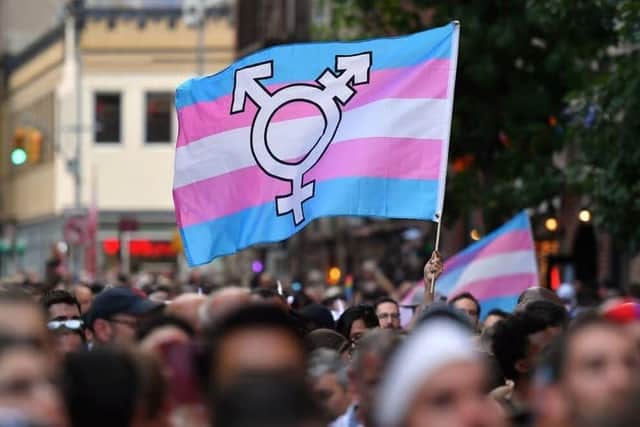

In April last year the Supreme Court in London issued its pivotal determination on transgender rights.
Based on equalities law, justices held that the word ‘woman’ refers to biological sex.
The verdict came after the Scottish government argued transgender people with a gender recognition certificate (GRC) are entitled to the same sex-based protections.
However, the judgment did not fully deal with the impact of the post-Brexit Windsor Framework on the legal landscape in Northern Ireland.
Article 2 of the Windsor Framework imposes a legal obligation on the United Kingdom to ensure no reduction in human rights provisions within the region, underpinned by European Union equality law and set out in the Good Friday Agreement.
The Equality Commission wants to obtain judicial clarification on the implications of the ruling for Northern Ireland.
Proceedings were on hold until the Supreme Court dealt with a separate Article 2-related challenge to UK Government legacy legislation for dealing with Troubles-era cases.
Lawyers for the Equality Commission today pressed ahead with their bid for guidance on addressing any uncertainties about applying the ruling on gender.
Counsel for the body told the High Court in Belfast: “It is seeking an advisory declaration to clarify the legal definition of sex within the Northern Ireland framework.”
Representatives and supporters of groups on both sides of the debate packed the courtroom for the brief review hearing.
The Women’s Rights Network has brought a related challenge against the Commission as part of calls for it to issue guidance consistent with the Supreme Court ruling.
Listing the cases for the first two weeks in December, Mr Justice McAlinden vowed that all views will be heard.
He also imposed a deadline of June 28 for any other organisations or groups to become involved in the case.
The judge stated: “I’m not going to close anyone down, that should give everyone ample time to make any submissions they wish to make.”