
Kingsmills Massacre 50th anniversary: Former senior PSNI officer can't understand why DNA not used to jail suspect
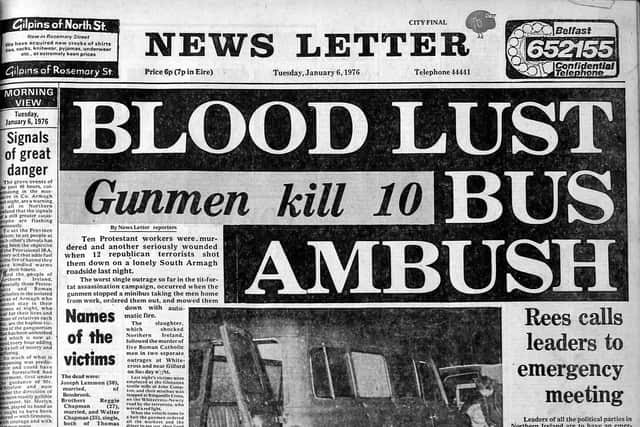
In the week of the 50th anniversary of the Kingsmills Massacre, a former senior PSNI officer is at a loss to explain why DNA taken from the hairs of a suspect has not been used to prosecute him.


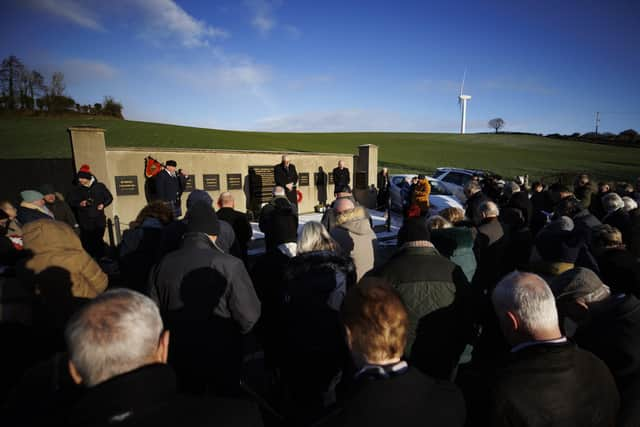
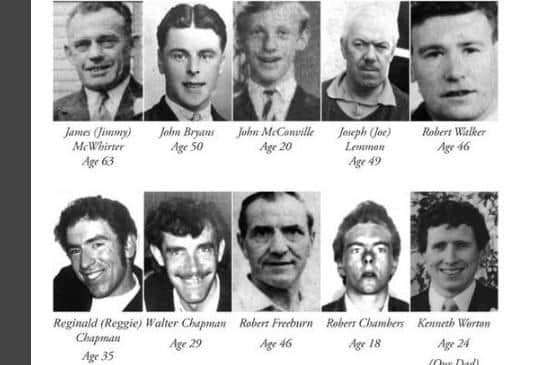
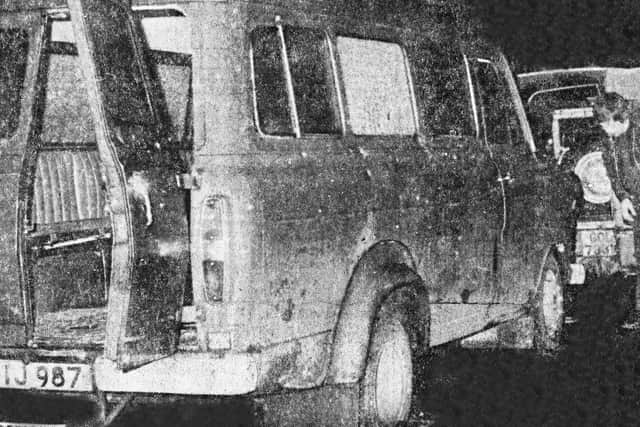
Dr William Matchett was speaking after a roadside memorial service was held on Monday at the spot where the IRA murdered ten Protestant workmen at Kingsmills in south Armagh on 5 January 1976.
On Sunday night Bessbrook Town Hall was packed to overflowing for a 50th anniversary service, where clerics lamented that nobody had ever been brought to justice.
However hard evidence does exist which could potentially see one of the killers jailed.
Four months before the attack, the same weapons were used to attack nearby Tullyvallen Orange Hall, killing five men, and fatally injuring a sixth.
In 2017 the Kingsmills inquest heard how a cap left behind by an IRA gunman at Tullyvallen had been discovered in archives - and contained two hairs.
A DNA report was provided to the coroner - because it was believed the same IRA gang carried out both attacks.
However the matter was mentioned again in the inquest nor in the coroner's final report.
Asked for an update in 2022, the Coroners Legacy Inquest Unit said the DNA report was “not potentially relevant”.
Also in 2022, police said that “following DNA testing of the hair no evidential opportunities capable of progressing the investigation were identified".
The News Letter approached authorities again this week for clarification.
The PSNI said the case has now been handed to the Independent Commission for Reconciliation & Information (ICRIR) and that only it has the power to investigate.
The ICRIR said it will be investigating the case but has no comment at this time.
And the Coroner's Service said the final report has been published and it would not be appropriate to make any comment.
Giving his thoughts on why no prosecution happened, author and former Special Branch Officer Dr Matchett noted that two Kingsmills suspects have On-The-Run comfort letters, which critics believe protect republicans from prosecution.
He also noted that the same weapons were used in both attacks and believes that the same IRA "Officer Commanding" was involved in both.
"A good portion of the offenders were southerners" he said, which "works against" getting DNA samples from them.
Dr Matchett agreed that the Garda should share their DNA database with the PSNI, but added that, "Dublin has not really changed in that respect when it comes to [investigations into] the Provisional IRA."
The News Letter also asked if the PSNI might access online genealogical DNA databases to look for a familial DNA link to the suspect?
"If the DNA sample [from the hairs] was in some way not suitable for full exploitation, you’d think the PSNI would say so," he said. "Nobody seems to be busting a gut on it."
He believes the PSNI and Coroner should say what happened. They might have failed to find a match – or can’t say who it is. Or they might say the evidence was "compromised" he said.
"Where would be the harm in that?”