
PSNI issue 'romance fraud' warning ahead of Valentine's Day, as over £860k conned out of NI victims in last 10 months
The police have issued a warning over ‘romance fraud’ ahead of Valentine’s Day, after Northern Irish victims were conned out of £866,700 over the last 10 months alone.
Describing the crime as a “cruel and very personal fraud committed by criminals looking to swindle” people searching for love, often taking “life-changing sums of money” from their devastated victims.


According to a member of the PSNI’s economic crime branch 100 incidents of romance fraud were reported between April last year and the start of this month,
Said Chief Inspector Boyd: “In one report, over £40,000 was lost when a victim met a fraudster online. The relationship then grew over time, before they were persuaded into transferring money, which happened on multiple occasions, either sending money directly or purchasing gift cards to send codes on to the scammer.
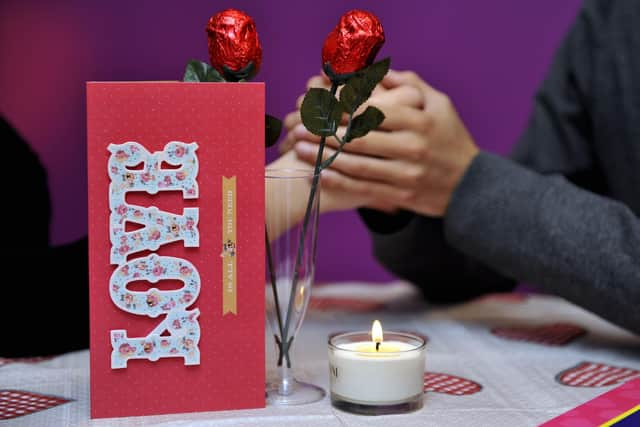
“In another report, the victim is believed to have met the fraudster online on a dating site and the relationship developed over a couple of months, before the scammer convinced the them to transfer money to him, which they did on three separate occasions, totalling around £15,000.”
Fraudsters will seek to build a relationship quickly with the victim, said the officer, asking to chat or text away from the dating site or app where the meeting first happened, and can employ tactics such as inventing stories to pull on the heartstrings of the recipient.
The chief inspector recommended three steps to guard against fraudsters:
- Conduct your own research on the person you’re speaking to, checking their social media presence to see if it matches what’s on the dating site. Looking at key details such as name, location and family members can help identify inconsistencies.
- Profile pictures can be deceiving and be taken from anywhere on the internet. Reverse image searches can prove whether the photo is legitimate.
- Never send money to someone you haven’t met in person. When looking for friendship, companionship, or love online, it should never start with being asked for money.
Said Chief Inspector Boyd: “Fraudsters don't care about gender, sexuality, age or race; fraudsters target everyone.
"Our message is, do not feel ashamed. If it has happened report it to us, help and support will always be available."
Victims should report it to police on 101, as well as to their to your bank and online at www.actionfraud.police.uk.