
Two-month ban for serial speeding driver who once fatally struck a man dubbed 'appalling' by charity
Dismay has been voiced at a two-month driving ban given to a killer driver over his most recent motoring conviction.
The charity Road Safe NI said it is "appalled at the leniency" shown, given the offender's record.
The two-month ban, plus a £300 fine, was handed down to Conrad Doole in Ballymena Magistrates' Court.
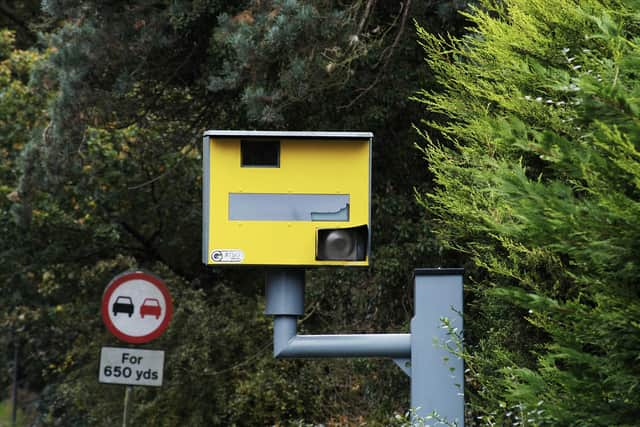
He had been caught in an Audi A5 doing 103mph in a 60mph zone at Ballybogey Road, near Ballymoney, on September 27 last year, then last Thursday he was sentenced after admitting speeding.

However, the court was told Doole (aged 53 and of Mount Street in Coleraine) has 16 previous convictions, including: causing death by careless driving, five cases of speeding, reckless driving, careless driving, no insurance, and no seat belt.
Some of the convictions date to the 1990s.
The death by careless driving conviction stems from 2009, when Doole was driving a white van that hit Robert Callaghan, aged 40.
Mr Callaghan had been out walking greyhounds along the Causeway Road, a minor road near the Giant's Causeway, shortly after 6pm on March 21.

The sun was low, and Doole says it had blinded him temporarily before he hit Mr Callaghan.
One witness who saw Doole's van before the crash said it had been travelling "very fast".
A ruling by the Court of Appeal found that his speed had been "excessive" and that "he should certainly have braked when blinded by the sun", adding that his previous offending record showed a "marked disregard for the safety of other road users" – but noting that Doole had “genuine remorse” over the incident.
Doole pleaded guilty to death by careless driving and was sentenced to one year in jail plus a three-year driving ban in Antrim Crown Court over the death in 2010.
Doole believed the sentence was too harsh and lodged an appeal. It was commuted down to nine months in jail.
Sentencing him for speeding at Ballymena Magistrates' Court last week, district judge Nigel Broderick said "if you killed somebody and been through that experience and been to the Crown Court and gone to prison, you would think then he is the last person who should be doing 103mph in a 60 zone".
According to the government's NIDirect website, the maximum penalty for speeding is a £1,000 fine (or £2,500 if committed on the motorway). As to any ban for offenders, the website says this is "discretionary", and does not give a maximum limit.
Davy Jackson, diretor of Road Safe NI said the charity is "appalled at the leniency of the sentence handed out in this case".
He said: "This driver more than most should know only too well the consequences of a road traffic collision and should be doing all they can to ensure the safety of all road users.
"Driving at this sort of speed is certainly showing no respect for any of us using the roads.
"Having being previously punished for causing death by careless driving, several other speeding offences, careless driving and reckless driving it seems the punishments received have little effect on him."
He said it was “frightening” to think of him back on the roads in a matter of weeks, adding that Doole should instead be under "a lifetime ban" given his record.
Asked about the sentencing, the Lady Chief Justice's office, representing the judiciary, said: "It is not appropriate for the Lady Chief Justice (outside her role as an appellate judge when a particular sentencing disposal is appealed before her or referred to the Court of Appeal on which she sits) to comment or express any opinion on a particular sentence.
"In relation to sentencing in general, the sentence imposed will depend on the specific circumstances in each case and a wide range of different factors will be considered. In calculating the appropriate sentence for a particular offence, the judge will consider all of the evidence provided to the court as well as the relevant statute and case law (legal principles emerging from earlier decided cases) including the maximum sentence which the court can impose, any sentencing guideline judgments relevant to the offence committed, whether the offender pleaded guilty, the level of culpability, the offender’s previous convictions, and any other aggravating or mitigating factors presented to the court by the prosecution and defence."