
Belfast Council blocks Armed Forces Covenant: Unionist anger as Nationalist parties vote down agreed move after quality tests identify 'minor impacts'
Belfast City Council today blocked an agreed move to sign up to the Armed Forces Covenant, after equality tests identified “minor impacts” from doing so.
Earlier this year, the council agreed to sign up to the covenant, deciding it was important to “recognise that many veterans can face disadvantages compared to the general population” as a direct result of their service.
But when the move came before the council’s strategic policy and resources committee yesterday morning, councillors overturned that and blocked moves to sign up to the covenant.
The covenant is an attempt to ensure veterans are treated fairly in civilian life, and sets out pledges to make sure ex-military personnel aren’t disadvantaged when it comes to accessing housing, health care, education and employment.


It also recognises that some veterans, especially the injured or bereaved, may need special treatment in those areas.
A report delivered to the committee said equality tests found that signing the covenant “is likely to have a minor impact on the basis of religious belief and political opinion, on both the promotion of equality of opportunity grounds and good relations grounds”.
It adds: “This is on the basis that the legacy of the conflict is still very much evident in some areas throughout Belfast and the signing of the Armed Forces Covenant may be a divisive issue.”
Non-unionist parties used that report to block the idea of signing the covenant.
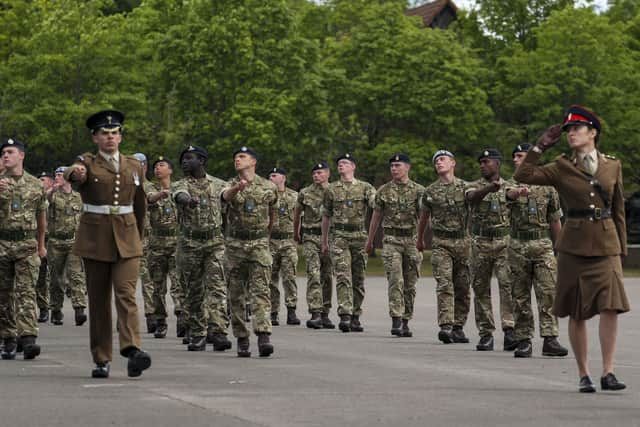
The committee voted entirely on party lines.
While there’s a chance the decision could be overturned at a future meeting of the full council, given the political make-up of the local authority it’s likely to be rubber-stamped on those same party lines.
The move to sign up to the covenant was originally brought by DUP alderman James Lawlor, the council’s official Armed Forces Champion.
Speaking after the committee meeting, he accused Sinn Fein and the SDLP of driving the decision to drop the covenant on flimsy grounds, as to his mind the results of the equality tests were too weak to justify the outcome of the vote.
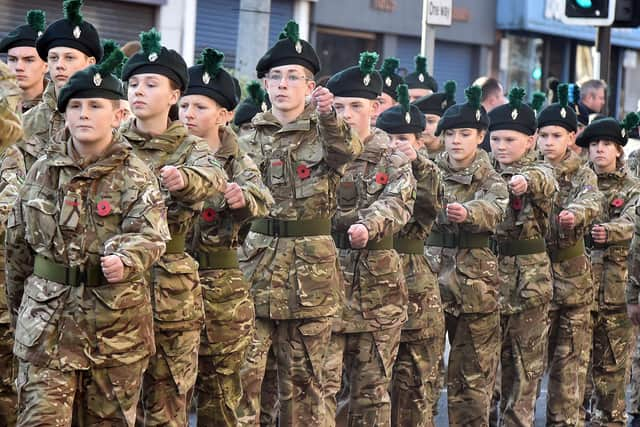
“This decision is extremely regrettable, particularly as the equality impact assessment carried out on the proposal identified only minor equality implications.
“Such findings do not provide any reasonable basis for halting this decision.”