
Troubles veterans 'angry and frustrated' with new legacy laws, say senior representatives ahead of legislation's debate at Westminster
Troubles veterans need “clarity, reassurance, and meaningful safeguards” from new government legislation on legacy cases, senior figures have said.
In a joint statement, veterans commissioners from Northern Ireland, Scotland and Wales all said new laws have sparked “anger and frustration” among ex-services personnel who served in Ulster.
They were speaking ahead of the second reading of the Northern Ireland Troubles Bill in Westminster today (18th), which is part of the legislation’s progression through parliament.
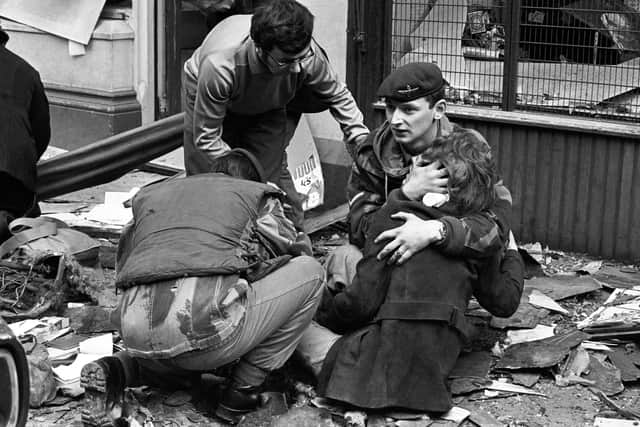
During that debate, Secretary of State Hilary Benn is expected to tell the House of Commons that veterans of Operation Banner, which saw the British army deployed on the streets of Northern Ireland from 1969 to 2007, are owed “an enormous debt of gratitude”.

"Their service and their sacrifice will never be forgotten,” he is to say, adding the Troubles Bill includes “new protections that are designed specifically to protect any veteran asked to engage with a legacy process”.
“That is also why the Ministry of Defence always provides legal and welfare support to any veteran asked to participate in a legacy process,” he is to state.
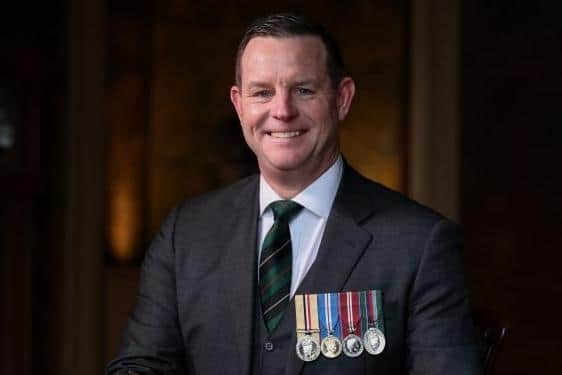
The trio of veterans’ representatives, including Northern Ireland veterans commissioner David Johnstone, say there are “real concerns around veteran protections, lawfare, historical narrative revision, and disparities between how ex-security force personnel and other parties are treated”.
Stating they’ve been meeting with government ministers to press those points, they add: “Our underpinning purpose has been to ensure that all veterans who served in Northern Ireland are treated fairly and with the respect their loyal service warrants.
“We have engaged constructively with ministers on the elements of the bill that directly affect veterans, and they have indicated that further planned engagements with ministers and senior officials should result in changes to the legislation that will provide an improvement for the veteran community.
“We therefore call upon the United Kingdom government to deliver on these promises and use the opportunity of the Bill’s second reading to provide unequivocal clarity, reassurance, and meaningful safeguards for those veterans affected.
“The government must not only listen to the concerns of veterans but also communicate directly, consistently, and transparently with them regarding the bill’s purpose, scope, and intent.
“We expect to see a clear, ongoing commitment to substantive engagement and tangible action as this legislation progresses. The trust of the veteran and serving community depends upon it.”

The new laws repeal the Legacy Act brought in by the last Conservative government, which included immunity from prosecution for both ex-soldiers and terrorists.
The Centre for Military Justice and Amnesty International issued a joint letter welcome steps to repeal and replace it, highlighting there are still more than 200 unsolved killings of armed forces personnel.
“All bereaved victims are entitled to justice and accountability. Hundreds of cases were shut down by the Legacy Act, including at least 225 serious criminal cases where the victim was a member of the armed forces,” they stated.
A member of the Victims and Survivors Forum, Paul Crawford, lost his father John to UVF violence in 1974. Calling for the legislation to be passed, he said: “Our experiences of loss, pain and trauma are very real. Many of us have been waiting for more than 50 years for truth and justice, and none of us are getting any younger.”